



The expansion of solar energy is crucial for a sustainable future, but it often clashes with the need to preserve forests. That’s why an innovative research proposes a solution that could change everything: solar trees.
A recent study published in Scientific Reports, led by Dan-Bi Um from the Maritime Institute of South Korea, used 3D geospatial simulations to demonstrate that it is possible to generate clean electricity without massive deforestation.
The team analyzed a coastal forest in the Asian country, a region where a conventional solar plant has already caused the almost complete deforestation of its forest cover.
Clean energy without deforestation
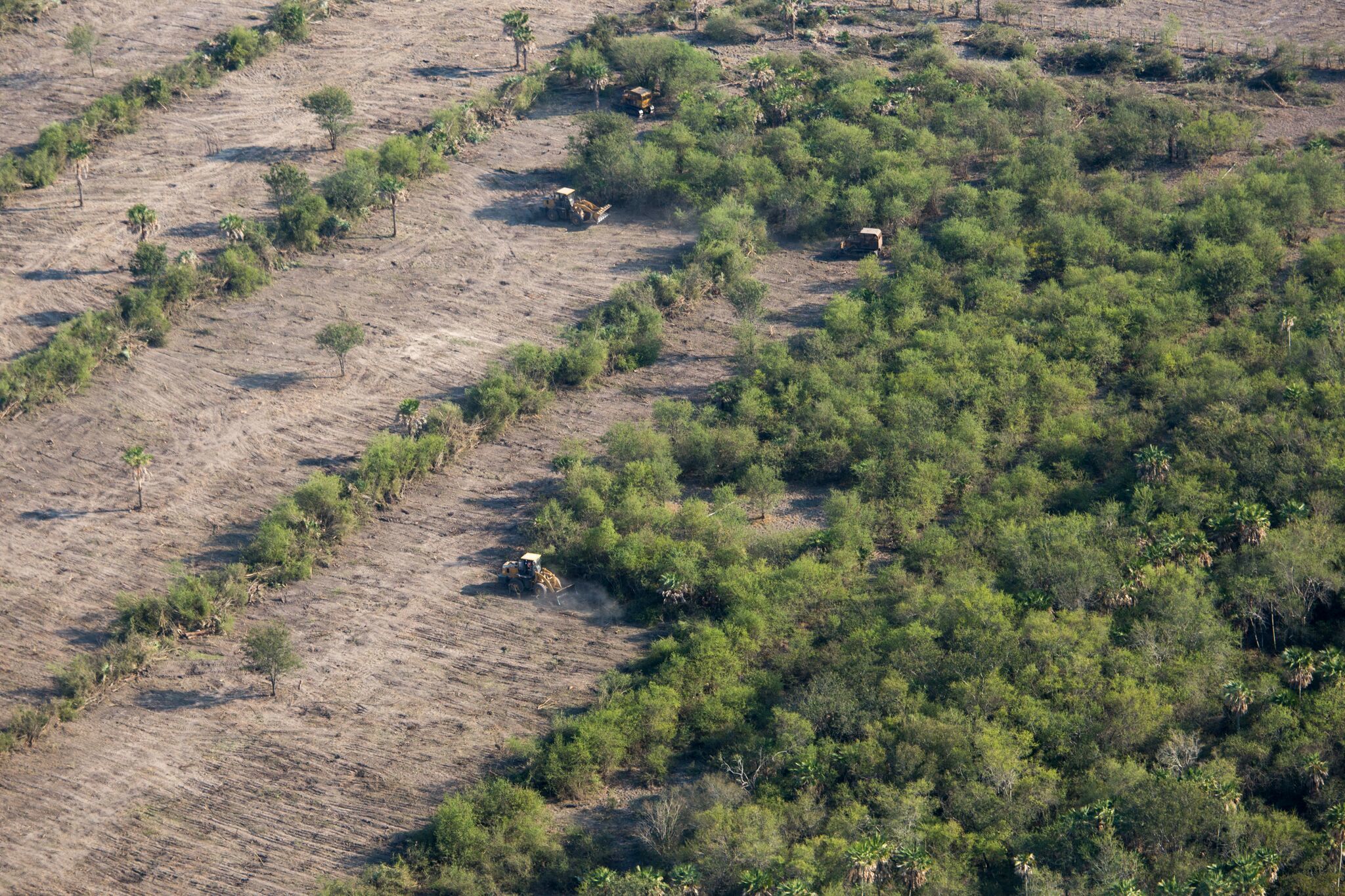 The generation of renewable energy often clashes with deforestation.
The case of South Korea is illustrative of a global conflict. A 1 MW traditional solar park in the region required the felling of 98% of the forest.
In contrast, the solar trees simulation showed a radically different scenario: to generate the same power, only between 63 and 87 structures would be needed, preserving up to 99% of the ecosystem.
This proposal offers a dual benefit: producing renewable energy and allowing forests to continue functioning with their key roles. They are carbon sinks, habitats for biodiversity, and natural barriers against erosion.
The research suggests that this approach aligns with international commitments such as the Glasgow Declaration on Forests and the goal of COP28 to triple renewable capacity without destroying ecosystems.
Design and applications of solar trees
These structures are not just a metaphor, but designs that mimic the shape of a tree. A prototype installed in Seoul measures almost 5 meters high and has 35 solar panels on its steel “branches.” Each one can generate up to 15.8 kW, enough to supply several homes.
The smart design of solar trees not only raises the panels for better light capture but also allows light to reach the ground, preserving the original vegetation.
The study proposes that these structures could be integrated into public spaces, such as parks or trails, providing shade and even powering nighttime lighting.
Challenges and future of the technology
 This innovation would allow producing clean energy without harming forests.
Despite their benefits, solar trees are an emerging technology. The construction costs are higher than flat panels due to reinforced support structures.
Furthermore, there are no international standards that certify their resistance to environmental factors such as wind or snow, and industrial-scale production is still limited.
However, in countries with expensive land, like South Korea, this technology could be an economically viable long-term solution. The research highlights that this methodology is applicable anywhere renewable energies are meant to be expanded without sacrificing nature.
Solar trees are a “promising dual solution” that brings us closer to a future where we won’t have to choose between clean energy and conservation of our forest ecosystems.



