



After a 2024 marked by historic records of forest fires, Brazil has managed to reduce by 81% the number of hotspots in the Amazon during 2025, reaching the lowest level since 1998.
This improvement is attributed to a combination of government actions, more benign weather conditions, and an innovative approach: accompanying controlled burns by farmers instead of pursuing them.
From confrontation to accompaniment
Environmental firefighters work hand in hand with rural producers to prevent uncontrolled fires.
In municipalities like Parauapebas, brigades from the Chico Mendes Institute for Biodiversity Conservation (ICMBio) visit farms, provide advice on safe burning techniques, and even supply drip torches with the right mix.
This strategy aims to reduce the risk of fires in protected areas, such as the Carajás Mountains, which will host the COP30 in November.
“It’s worse to fight a fire in the forest… I prefer to work less,” jokes Manoel Delvo, head of fire combat at ICMBio.
Amazon fires: structural and climatic causes
Illegal deforestation, climate change, and lack of regulation worsen the jungle’s vulnerability.
- Deforestation for livestock and soybeans: fire is used to clear land after logging
- Prolonged droughts and extreme temperatures: turn the Amazon into a “powder keg”
- Lack of effective control: allows dangerous practices to be repeated without consequences
In 2024, the Amazon lost over 156,000 km², twice the size of Panama, in what was the most critical year since 1985.
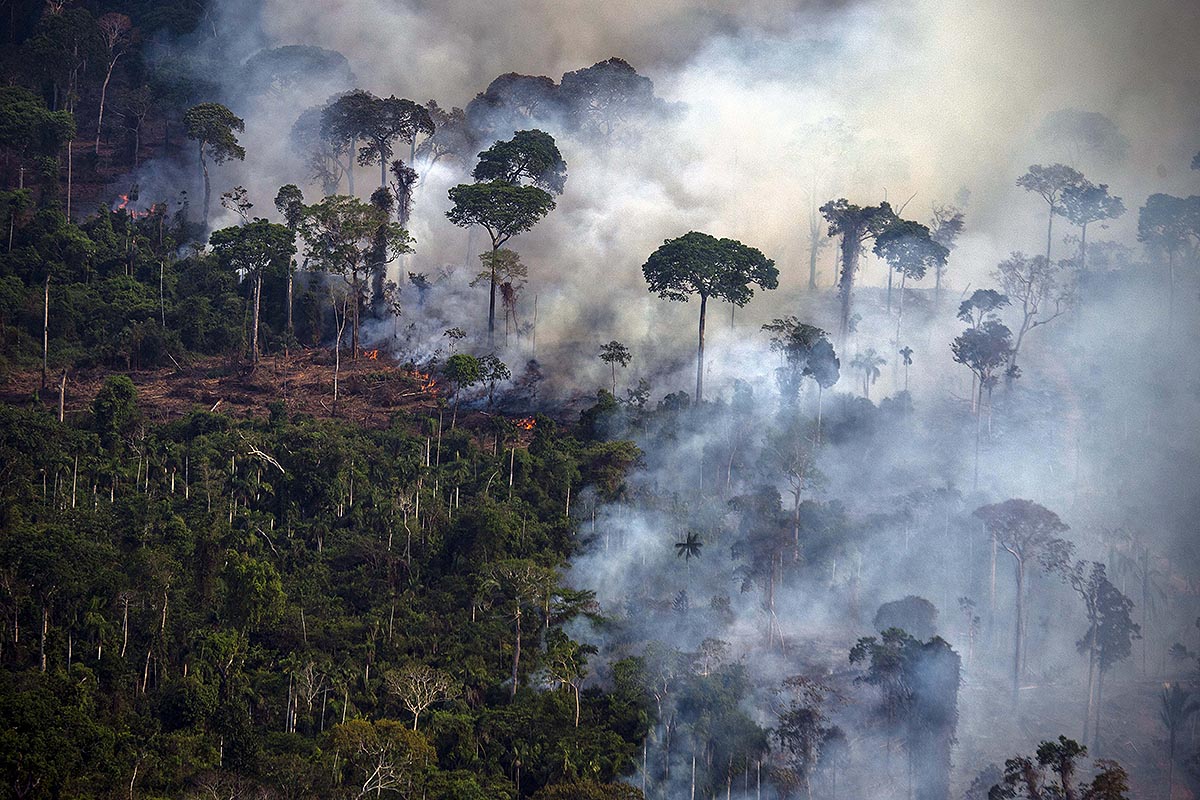
Ecological and social impacts of fires
The rainforest does not burn on its own: fire destroys biodiversity, health, and community fabric.
- Loss of biodiversity: unique species disappear along with their habitat
- Alteration of global climate: the Amazon regulates precipitation and captures carbon
- Air pollution: smoke affects millions of people with toxic particles
- Soil degradation: organic matter is lost, erosion and desertification increase
- Displacement of communities: fires generate conflicts and forced migrations
Climate governance and local resilience
The State strengthens oversight, expands brigades, and promotes dialogue with producers.
The federal government has:
- Acquired aircraft for aerial combat
- Increased the number of environmental firefighters by 26%
- Strengthened penalties against illegal fires
“Oversight inhibits the use of fire,” says researcher Ane Alencar, who also highlights the fear of producers of repeating the devastation of 2024 as a factor for change.
Towards a more protected and participatory Amazon
Active prevention and respect for local knowledge open new paths for fire management
In Carajás, rains have temporarily suspended controlled burns, but the work continues. Delvo has already received new requests for accompaniment, and firefighters continue to strengthen trust bonds with rural communities.
“Moving from oversight to accompaniment is key to preventing fires and building resilience,” conclude from ICMBio.


