



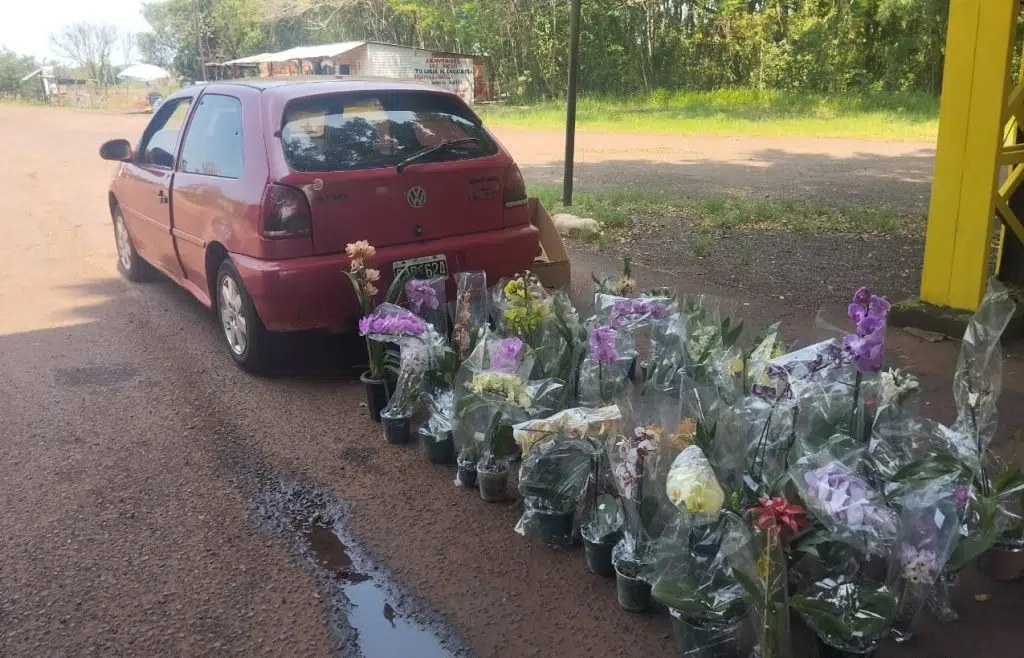
Personnel from Senasa intercepted 49 illegal orchids on Monday, meaning without phytosanitary certification.
The seizure took place at the Urugua-í Health Barrier Control Post, located in Puerto Libertad, Misiones.
The plants came from Brazil and lacked the mandatory documentation to enter the country, something essential to avoid phytosanitary crises.
Illegal orchids seized: how the operation was conducted
The operation was carried out at a strategic point of the sanitary cordon that protects Argentina’s agri-food production.
Agents from the Corrientes-Misiones Regional Center inspected a vehicle and detected three cardboard boxes with orchids of various varieties, all of Brazilian origin.
The cargo did not have phytosanitary certification or the documentation required by other control agencies.
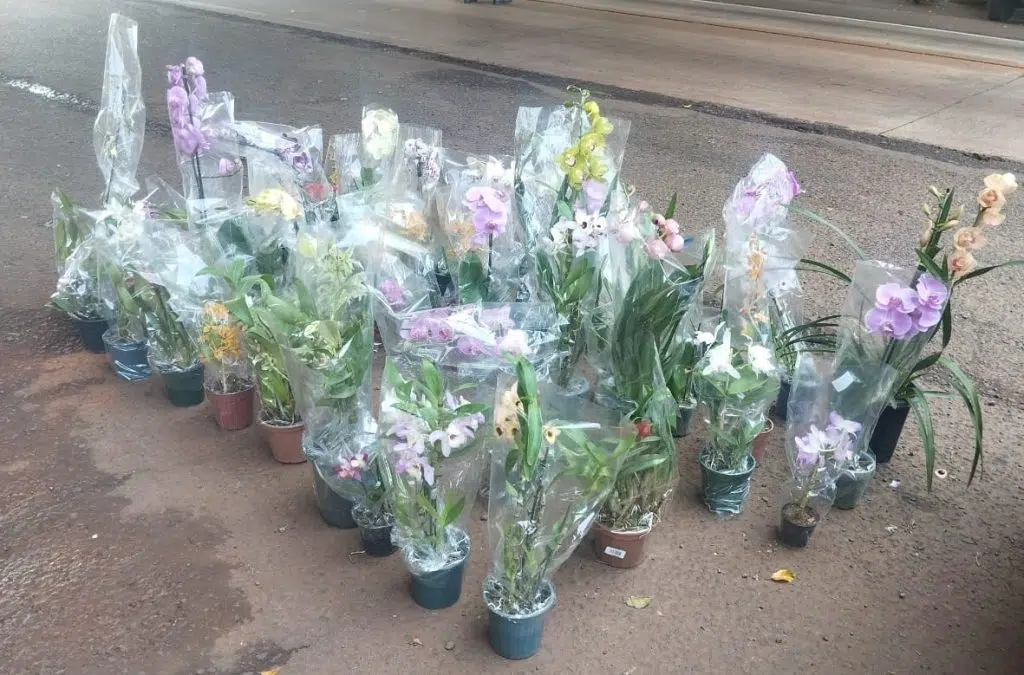
Therefore, Senasa drew up the corresponding report and proceeded with the denaturalization and total destruction of the plants.
Additionally, the agency applied specific techniques to ensure the elimination of any phytosanitary risk associated with the illegal merchandise.
The importance of phytosanitary control in border areas
Why is this important? To avoid phytosanitary crises.
The entry of plant material without proper controls into the country can introduce pests or diseases that severely affect national production.
The report notifies a presumed infraction of Regulatory Decree No. 83732 (Art. 1 and 2), which regulates border control.
The vehicle’s driver was notified and faced the corresponding sanctions for attempting to evade border controls.
This case highlights the importance of the permanent control exercised by Senasa in Misiones, a key province due to its location at the Triple Frontier.
Authorities maintain a constant surveillance system to protect Argentina’s phytosanitary heritage.
“The entry of plant material without phytosanitary certification represents a high risk for national agricultural health, due to the introduction of pests or diseases that would severely affect the phytosanitary heritage and national production,” warned the control authorities of the agency.
Requirements for importing plant material
Senasa establishes that all plant material entering the country must have mandatory phytosanitary certification.
This documentation ensures that the plants do not carry pests or diseases that could compromise local agriculture.
Border control posts like Urugua-í function as a sanitary barrier against the entry of products from neighboring countries like Brazil.
Surveillance at these points is essential to prevent the introduction of harmful organisms.
Therefore, periodic inspections allow for the timely detection of attempts to smuggle plant material that put the country’s agri-food production at risk.



