



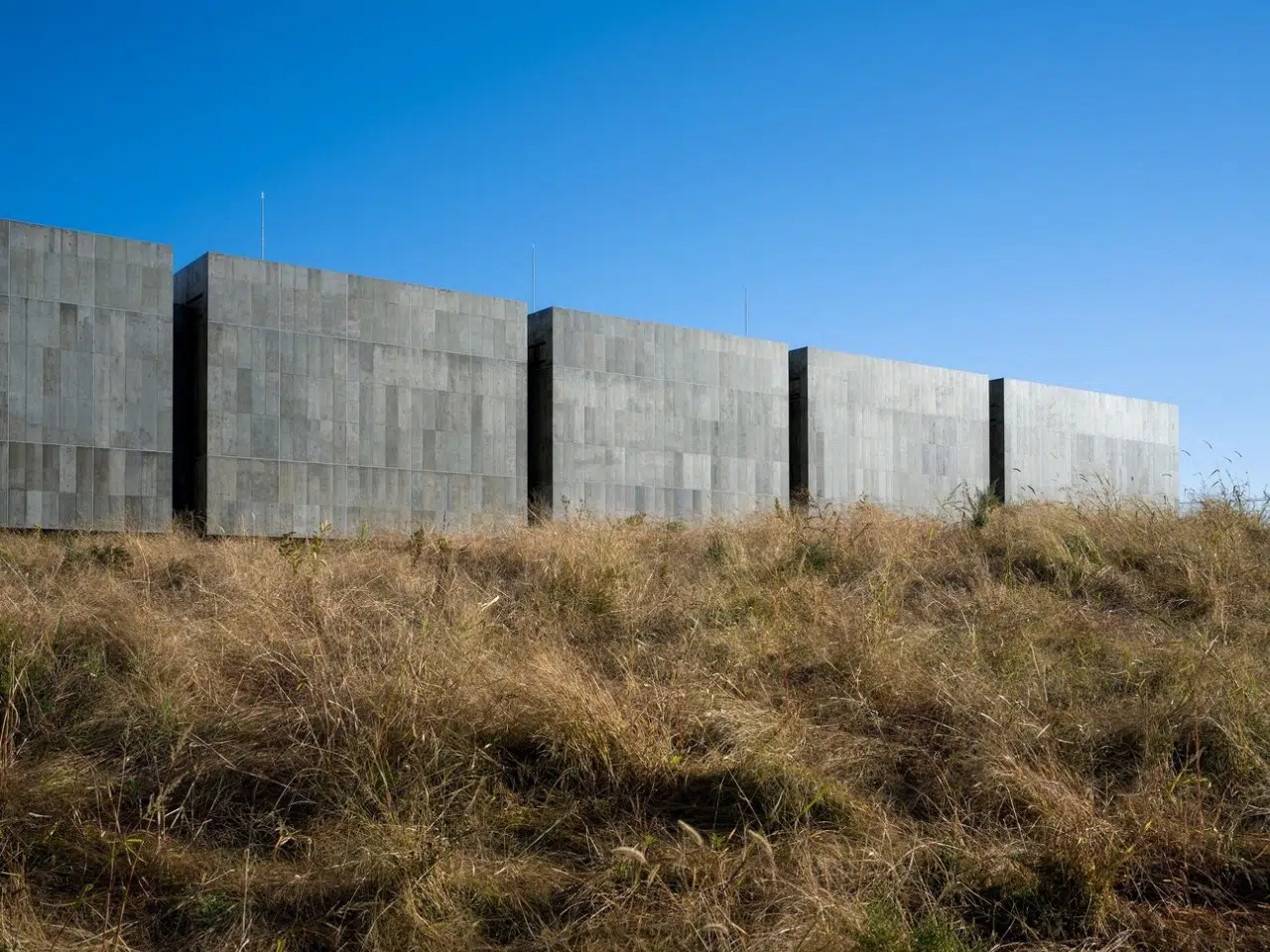
In a world where data centers have become invisible giants consuming colossal amounts of energy, the ZED ISHIKARI, inaugurated in October 2024 in the city of Ishikari, northern Japan, marks a turning point.
This center not only avoids emissions but also operates in real-time with 100% renewable energy, without resorting to compensations or misleading accounting balances.
Extreme climate as an ally: architecture that breathes efficiency
The choice of Ishikari was not random. With temperatures dropping to -5°C, the cold becomes a thermal solution.
The building is designed as a natural ventilation system, channeling the icy air from outside through strategically located grilles, eliminating the need for air conditioning for more than half a year.
What would be an energy expense in other centers, here transforms into climatic efficiency.
Additionally, the residual heat generated by the servers is reused to prevent ice formation on surrounding roads, turning a thermal byproduct into a local road safety solution.
Clean energy with real traceability
When the cold air is not enough, ZED ISHIKARI connects to a private power line that supplies energy from:
- Local solar plants (2 MW)
- Regional wind farms (2 MW)
- A nearby biomass plant, ensuring that every kilowatt comes from clean and verifiable sources
No “symbolic green”: here there is real energy traceability, backed by AI and battery storage systems that adjust consumption and production hour by hour, achieving a zero-emission balance.
Tangible impact: less consumption, more replicability
Compared to its data center in Tokyo, the operating company KCCS has achieved:
- Reducing electrical consumption by 40%
- Decreasing operational costs without exorbitant investments
- Demonstrating that intelligent design surpasses experimental technology
This model uses local and proven resources —wind, sun, biomass, and cold— making it a replicable option in any region with a similar climate.
Public policy and sustainable digitization
The Ministry of the Environment of Japan recognizes the energy impact of data centers and offers grants of up to 50% to build facilities like ZED ISHIKARI or convert existing centers.
This measure is part of a national strategy where digitization and sustainability are not opposites, but two sides of the same future.
Keys to the Ishikari model: climate-smart infrastructure
- Using climate as a resource: extreme cold becomes an operational advantage
- Thermal reuse: residual heat improves road safety
- Real-time energy management: AI and batteries ensure zero emissions per hour
- Renewable traceability: every kilowatt is verified
- Pragmatic replicability: without experimental technologies or excessive costs
As more services migrate to the cloud, the Ishikari model demonstrates that it is possible to digitize without mortgaging the planet.
In times of climate crisis and technological expansion, this Japanese center offers a concrete roadmap to build a truly sustainable digital infrastructure.


