



Having a perfect lawn can be an exhausting task. It requires time, water, and constant care to keep it green and even. However, there is a natural, aesthetic, and sustainable alternative that can replace it with surprising results. It is a plant that easily adapts to different environments and does not require intensive maintenance.
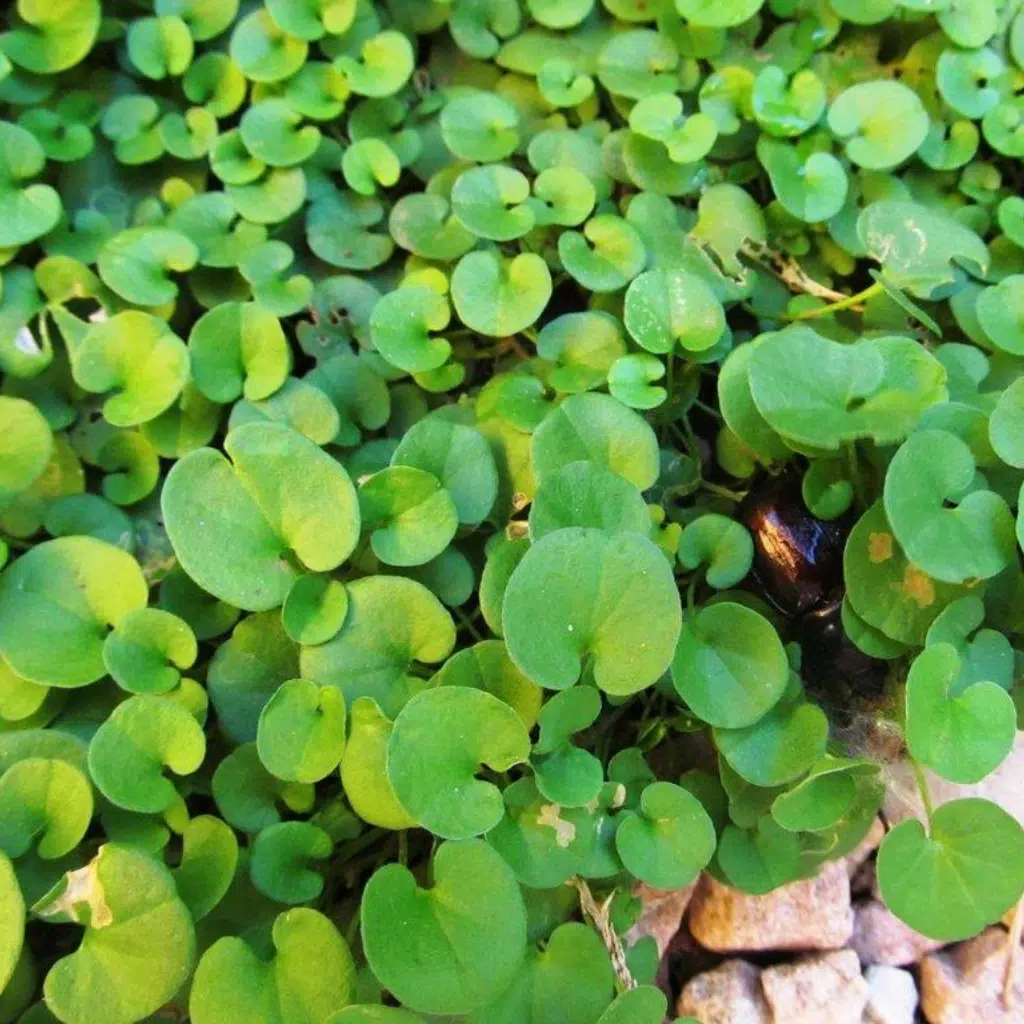
The protagonist of this ecological trend is the Dichondra repens, popularly known as mouse ear. This species belongs to the Convolvulaceae family and has earned a place in modern gardening for its coverage capacity and ornamental beauty. It can be found in green, gray, or silver tones, giving it a special appeal.
Its rounded leaves and soft texture create a dense and even plant carpet. As it grows, it emits shoots that generate new roots upon touching the ground, expanding without the need for constant intervention. Thanks to this characteristic, it forms a uniform covering, ideal for low-maintenance gardens.
The Dichondra repens reaches a maximum height of ten centimeters and can be sown in both spring and summer. Although it adapts well to pots or indoor spaces, its greatest advantage is outdoors, where it successfully replaces the traditional lawn.
Basic care and ideal conditions
This plant thrives in warm climates, preferably between 18 and 24 °C. It does not tolerate frost or excessive humidity, so it is important to ensure that the soil has good drainage. If the ground becomes waterlogged, the roots can rot.
Regarding lighting, although it can withstand direct sunlight, it prefers semi-shade or indirect light areas. In regions with intense sun, it is advisable to place a shade cloth to protect it and maintain its bright green color.
Its only limitation is resistance to trampling: it is not suitable for areas with frequent traffic. In such cases, it is recommended to combine it with stone or wood paths that reduce direct pressure on the plant.
Ecological tips to keep the garden healthy and green
- Efficient watering: Use collected rainwater or water early in the morning to avoid evaporation. Keep the soil moist, but not excessively.
- Natural fertilizers: Enrich the soil with organic compost or fruit and vegetable peelings. They provide nutrients without harmful chemicals.
- Sustainable pest control: Use garlic or neem infusions to repel insects. They are natural and biodegradable solutions.
- Soft pruning: Remove dry leaves and slightly trim the edges to stimulate more compact and uniform growth.
- Strategic shading: Plant nearby shrubs or vines to create shaded areas that protect the Dichondra during the hottest months.
Opting for Dichondra repens not only beautifies the garden but also represents a step towards more conscious gardening. With less watering, no need for chemical fertilizers, and minimal maintenance, this plant demonstrates that caring for the planet and enjoying nature can go hand in hand.



