



An international team of researchers led by China has achieved an unprecedented discovery: the natural formation of a mineral with rare earth elements (REE) inside a living plant.
The study, published in the journal Environmental Science & Technology, could transform the way these strategic resources are extracted, which are essential for the energy transition and the technology industry.
Monazite: a strategic mineral in a fern
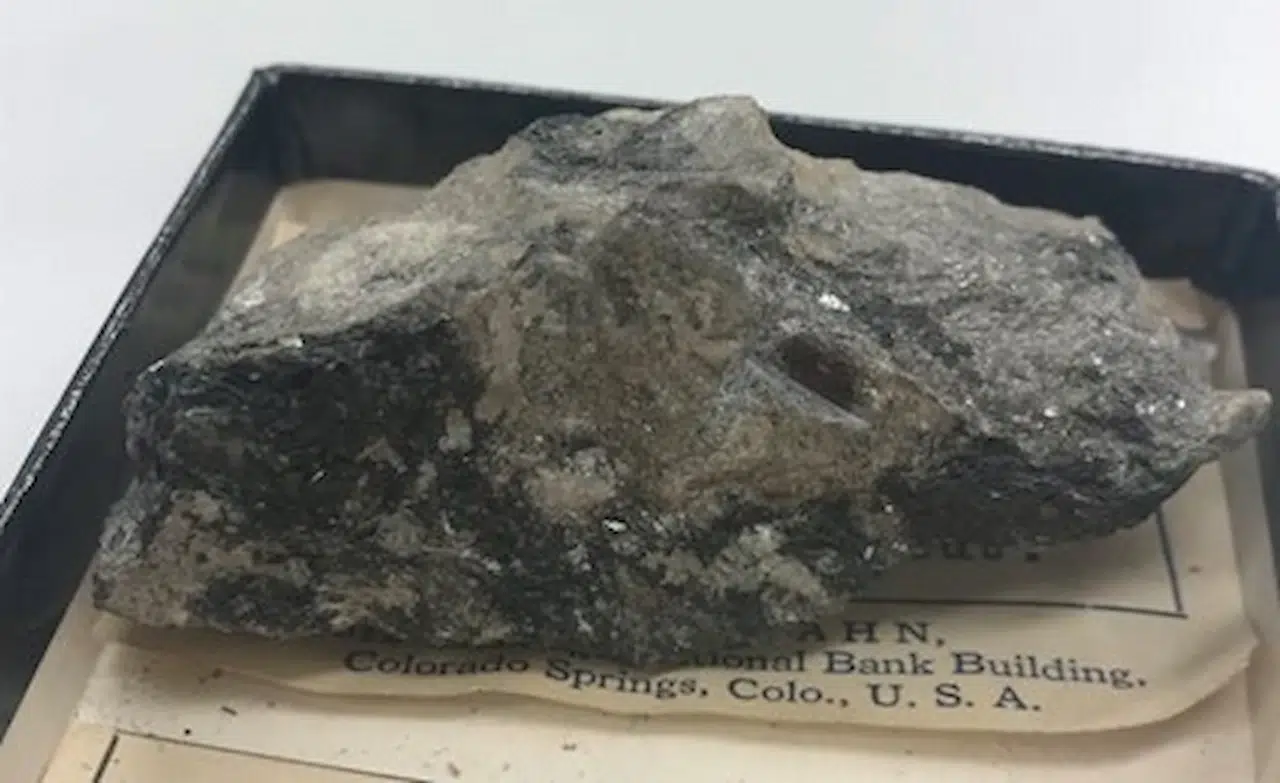
The identified mineral is monazite, a source of elements such as cerium, lanthanum, and neodymium, essential for manufacturing wind turbines, permanent magnets, electric vehicles, and laser technology.
The big surprise was that this mineral crystallized at a nanometric scale within the tissues of a Blechnum orientale fern, without the need for extreme pressure or temperature conditions. Until now, it was believed that rare earth minerals could only form through intense geological processes.
Researchers compare this phenomenon to a “natural chemical garden”, where the plant acts as a living laboratory.
Hyperaccumulator plants: guardians of the soil
The studied fern belongs to the group of hyperaccumulator plants, capable of absorbing metals in concentrations up to a thousand times higher than normal. In the case of B. orientale, rare earth elements accumulate mainly in the leaves, where they crystallize in the form of monazite.
This mechanism functions as a defense and detoxification system, preventing non-nutritive metals from entering the cells. Mineralization occurs in the extracellular tissues, which also facilitates the extraction of minerals without damaging plant metabolism.
Phytomining: a regenerative alternative
The finding confirms the potential of phytomining, an emerging technique that proposes cultivating plants in metal-rich soils to then harvest them and recover the elements directly from the biomass.
Compared to conventional mining —which destroys ecosystems, emits polluting gases, and generates toxic waste— phytomining offers a regenerative and low-impact alternative. It can be applied in:
- Contaminated soils.
- Abandoned mining sites.
- Areas where conventional mining is unfeasible due to geopolitical or environmental reasons.
There are already pilot projects in Australia, Malaysia, and the Philippines, where the recovery of nickel and cobalt is being tested. Now, with evidence that it is also possible to mineralize rare earths within plants, a new pathway opens for extracting critical resources without digging a single meter of earth.
Geopolitical and environmental implications
The rare earth market is historically linked to severe ecological impacts: extraction and refining techniques generate acidic and radioactive waste. Moreover, more than 60% of global production depends on China, introducing risks of geopolitical concentration.
This discovery allows for imagining a more diversified, decentralized, and environmentally regenerative production model. By harvesting metals directly from plants, emissions, water consumption, and soil degradation would be reduced, while degraded areas are restored through useful vegetation.
A different industrial model
The advancement is not only botanical or chemical: it is a clue towards a more just and circular industrial model. Among its potential applications are:
- Recovery of rare earths from mining waste or contaminated soils through selected plant species.
- Integration of phytomining into environmental remediation strategies, with crops that clean and extract simultaneously.
- Reduction of the ecological footprint in sectors dependent on rare earths such as renewable energy, electronics, and defense.
- Rural development with added value, transforming marginal lands into productive fields for bioextraction.
The discovery of the natural formation of monazite within a fern marks a milestone in science and sustainable mining. It is not about immediately replacing traditional mining, but about adding tools that allow it to be cleaner, fairer, and regenerative.
If a plant can create a rare earth mineral without polluting, human technology should also be up to the task.

