



A neighbor known in forums under the pseudonym Glubux managed to fully supply his home with a system designed by himself using recycled batteries from laptops.
The device, in operation since 2016, operates without interruptions and only required the occasional replacement of a battery. The project was born with the goal of achieving total energy autonomy through solar panels and accumulators made from electronic waste.
Starting with a rudimentary setup based on a few low-power panels, a used industrial battery, and basic regulators, the inventor began collecting hundreds of unused cells. He then reorganized them into homogeneous modules, building a robust system capable of storing and distributing clean energy for his entire home.

The expansion of self-consumption
The experience of this creator reflects a growing trend: citizens seeking to generate their own energy and reduce their dependence on the electrical grid. The reduction in the cost of solar panels and the use of recovered materials favor this transition.
At the same time, environmental awareness increases interest in decentralized and sustainable options. Self-consumption, both individual and shared, allows for energy production close to where it is consumed, reducing losses and emissions.
This modality also reduces pressure on the traditional electrical system and promotes greater social participation in the energy transition. However, the sector’s growth slowed during 2024 and 2025, moving the country away from the goals set for 2030.
Regulations in the process of being updated
Although the elimination of the “sun tax” significantly boosted self-consumption, regulation lagged behind the rapid technological evolution. Experts warn that more agile regulations are needed, especially to facilitate collective projects in buildings and communities.
Sector organizations demand a model that simplifies grid connection and offers greater legal security. The Ministry for the Ecological Transition of Spain opened a public consultation at the end of 2024 to modernize the legal framework.
The proposal aims to adapt it to European guidelines and the current reality of self-consumption. The new law, according to the ministry, should be ready before the end of 2025.
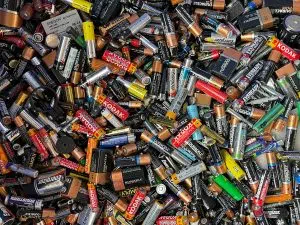
Environmental and social benefits of the initiative
- Reduction of electronic waste
The reuse of batteries from laptops reduces the amount of toxic waste that ends up in landfills. By extending the useful life of these materials, the extraction of critical minerals such as lithium and cobalt is reduced. This contributes to a more sustainable cycle of electronic device use.
- Lower carbon footprint and more clean energy
The system combines solar panels with independent storage, replacing energy from fossil sources. Generating electricity at home reduces emissions associated with transportation and distribution. Additionally, it provides resilience against outages, consumption peaks, and changes in the electricity market.
- Civic participation and energy autonomy
Initiatives like this demonstrate that the ecological transition is not exclusive to large industries. Community and individual projects promote greater democratization of access to renewable energies. They also encourage collaborative practices, open innovation, and a new culture of energy self-sufficiency.

