



In different areas of Uruguay, episodes of high mortality of honey bees have been recorded, causing concern in the local scientific community.
Researchers from local institutions warn that these events are not isolated and constitute a warning sign about the state of the environment and the sustainability of the productive system.
The essential role of bees
Bees are the main pollinating insects, responsible for the reproduction of numerous plants and the resilience of ecosystems. In particular, honey bees stand out for their contribution to the production of honey and other hive products such as propolis, waxes, and apitoxin, which have high biological and economic value.
In Uruguay, there are approximately 560,000 hives, managed by about 2,200 beekeepers. Beekeeping combines exclusive producers and families that depend on it as a second source of income. 95% of the honey produced is exported, under strict quality standards guaranteed by the Traceability System in place since 2011.
Vulnerability of the beekeeping sector
Despite its importance, beekeeping is a vulnerable sector. Beekeepers control aspects such as genetics, health, and good practices, but depend on the environment for bee nutrition and their exposure to agrochemicals.
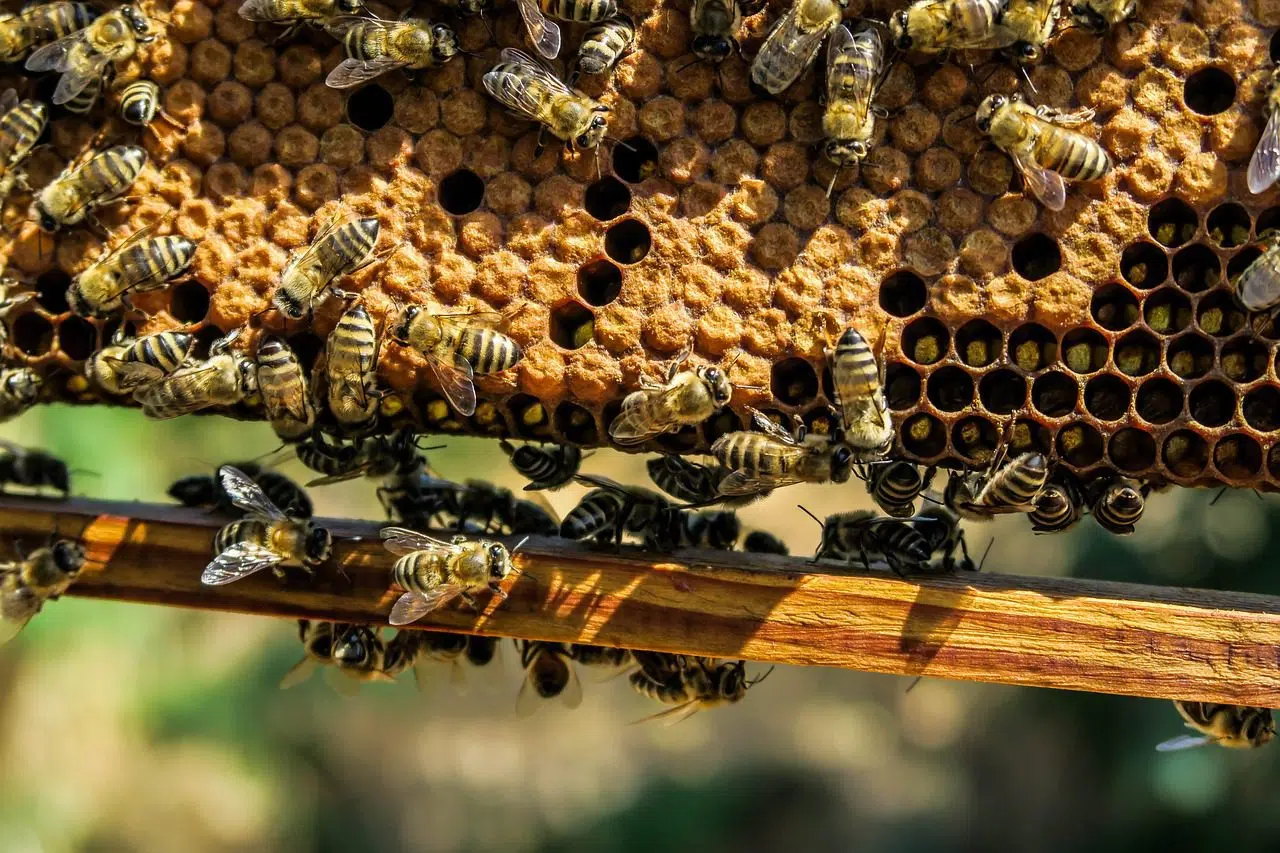
Honey bees can travel up to 28 km² around their hives, exposing them to multiple factors beyond the control of producers. This range turns hives into environmental sensors, capable of reflecting the quality of air, water, and soil, as well as the presence of pesticides or the loss of biodiversity.
Warning signs
National research reports annual losses of about 30% of colonies, mainly associated with nutritional stress and overexposure to pesticides. These factors directly depend on land use, management practices, and compliance with regulations.
The massive death of hives not only implies economic losses for beekeepers but also reflects broader environmental imbalances, affecting wild insects, fish, plants, and microorganisms, with ecological and social consequences that may not be visible in the short term.
Call to action
The scientific community urges public policy managers to act with seriousness and urgency. The Uruguayan public has the right to a healthy and safe environment, and the current situation challenges society as a whole regarding the development model being built.
Researchers propose a collaborative and horizontal dialogue between science, productive sectors, and government to improve agricultural practices and strengthen the country’s sustainability.
“We firmly believe that it is possible to continue being an agro-exporting country while protecting the health of ecosystems and the population, but this requires acting with determination, responsibility, and a vision for the future,” the authors state.
The death of bees in Uruguay is more than a problem for the beekeeping sector: it is an indicator of environmental crisis that affects biodiversity, food production, and public health. Protecting pollinators becomes a strategic priority to ensure the economic and ecological sustainability of the country.



