



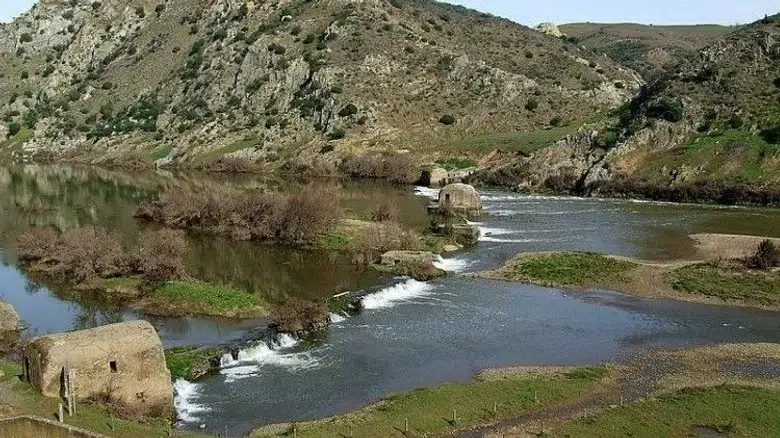
Portugal launched a comprehensive program for the ecological recovery of its rivers and riverbanks. In this way, it seeks to protect aquatic ecosystems and reduce the risk of flooding in urban areas.
The initiative will be implemented between 2026 and 2030. Additionally, it prioritizes 63 areas with significant risk, where more than 100,000 people are exposed to floods.
Thus, the water policy aligns with an ecological vision that combines prevention, conservation, and climate adaptation.
Large-scale interventions throughout the territory
The program plans more than 80 direct actions. Therefore, it will cover more than 1,000 kilometers of watercourses in different regions of the country.
These tasks add to previous interventions carried out since 2017. Consequently, the restored river network will exceed 3,000 kilometers.
The central objective is to recover the natural dynamics of the rivers. In this way, their capacity to absorb water surpluses is improved.

More vibrant rivers and connected ecosystems
One of the key focuses is the removal of river barriers. Thus, the continuity of water and the movement of species are restored.
This measure benefits animals associated with rivers, such as fish, amphibians, water birds, and macroinvertebrates. Therefore, local biodiversity is strengthened.
At the same time, the renaturalization of banks creates green corridors. Consequently, rivers are integrated into the urban and rural landscape.
Climate adaptation as an environmental priority
Portugal faces an increasingly extreme climatic scenario. Therefore, river restoration is considered a key adaptation tool.
Flash floods are one of the main risks. However, rivers with free channels and natural banks mitigate these events.
Additionally, healthy river systems help regulate temperatures and store carbon. In this way, they contribute to mitigating the impacts of climate change.
What are the benefits of this measure?
The ecological recovery reduces material damage and risks to the population. At the same time, it improves the quality of water and air.
It also promotes greener public spaces. Therefore, it promotes well-being, nature tourism, and environmental education.
In the long term, these projects reduce emergency costs. Consequently, investing in rivers is more efficient than repairing damage.
Climatic conditions of Portugal and future challenges
Portugal has a Mediterranean climate with Atlantic influence. Thus, it alternates between rainy winters and dry, hot summers.
This combination favors both droughts and intense concentrated rains. Therefore, rivers play a strategic role in water management.
In this scenario, ecological recovery is consolidated as a structural response. In this way, Portugal is committed to more resilient rivers and better-prepared territories.


