



The soil pollution affects 70% of European territory due to the pesticides used in agriculture.
This was revealed by an international study coordinated by the University of Vigo, the Joint Research Centre of the European Union and the University of Zurich.
The research, published in the journal Nature, provided for the first time quantitative evidence of the prevalence and impact of these chemicals on the soils of Europe.
The researchers analyzed the effects of 63 common pesticides on 373 samples collected from agricultural fields, forests, and grasslands in 26 European countries.
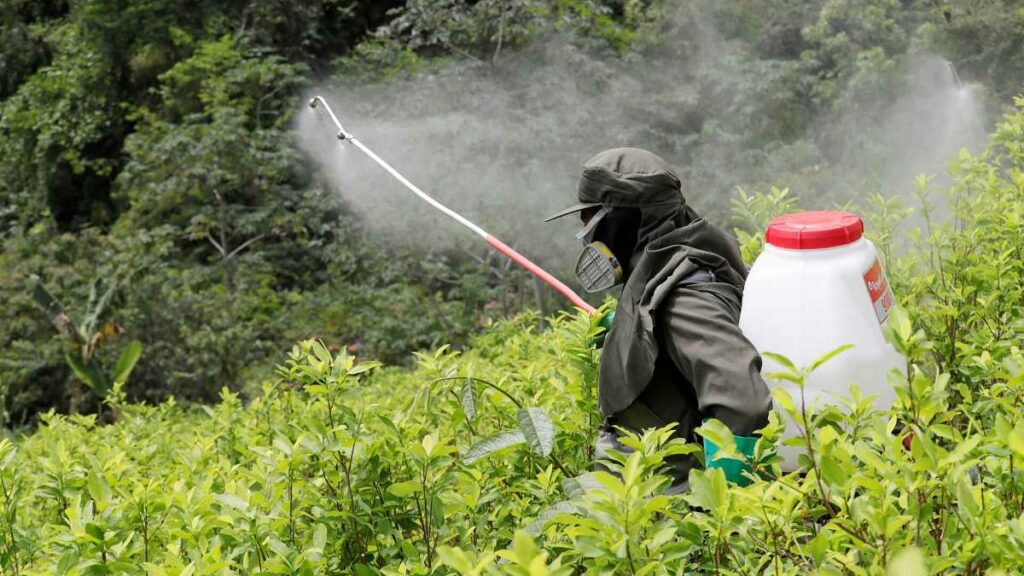
Biodiversity, threatened by soil pollution
Soil pollution harms biodiversity and has a significant impact on various beneficial organisms, according to Julia Köninger, postdoctoral researcher at the Department of Ecology and Animal Biology at UVigo.
Mycorrhizal fungi, essential for crops because they help roots absorb water and nutrients, “are especially affected,” noted soil ecologist Maria Briones.
The study demonstrated that residues alter soil function by affecting key genes for nutrient recycling such as phosphorus and nitrogen.
This suggests, according to Köninger, that the natural function of the soil is reduced and that additional fertilization would be necessary to maintain production.
Glyphosate, the most detected
The most detected active ingredient was the herbicide glyphosate. Most pesticides were found in agricultural soils, but also in forests and grasslands, probably due to spray drift.
Soil pollution is not limited to cultivation areas, revealing the real extent of the problem across the European continent.
Some bacteria benefit from the use of pesticides as the competition from other organisms is reduced, causing imbalances in the soil ecosystems.

The impact of pollution on soil functions
Soil pollution affects fundamental processes for sustainable agriculture and the health of terrestrial ecosystems.
The researchers identified alterations in essential functions related to nutrient recycling, compromising the natural productivity of the soils.
The main affected include:
- Mycorrhizal fungi that facilitate water and nutrient absorption
- Genes responsible for phosphorus and nitrogen recycling
- Bacterial communities that maintain ecosystem balance
- Beneficial organisms essential for soil health
The researchers concluded that to protect soils, ecotoxicological assessments must surpass laboratory tests based on a single species.
New assessments must include responses at the community and function levels, not just individual organisms.
Soil pollution in Europe represents an environmental challenge that requires urgent actions to protect biodiversity and ensure the agricultural sustainability of the continent.



