



Every February 20, International Cat Day is celebrated, a date that seeks to honor one of the most popular companion animals in the world. It also promotes respect and responsible ownership.
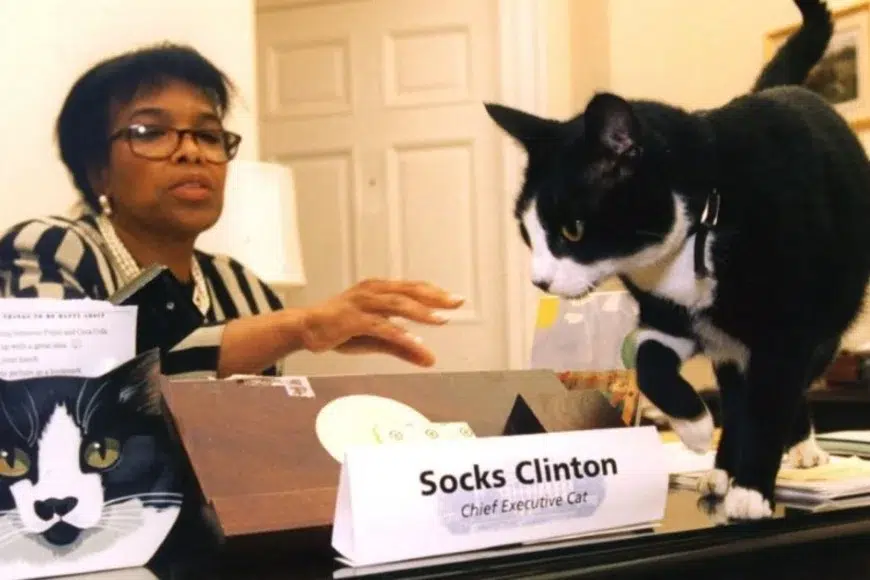
The origin of the commemoration is linked to “Socks”, the cat that lived in the White House during the presidency of Bill Clinton in the United States.
After the death of the feline on February 20, 2009, internet users and animal advocates began to remember that date. Over time, the day became a symbol of awareness about animal welfare.
However, the commemoration transcended its anecdotal origin. Today, it represents an opportunity to reflect on abandonment, mistreatment, and the need to ensure adequate living conditions.
Awareness, digital culture, and responsible adoption
In the last decade, the celebration has become popular through social networks and digital portals. Therefore, its reach has been amplified globally with campaigns, publications, and educational activities.
Veterinarians, shelters, and non-profit organizations promote adoption and sterilization days. They also promote vaccination and health monitoring as pillars of responsible care.
Additionally, the cat has become an icon of digital culture. Viral videos, memes, and specialized accounts have reinforced its presence on the internet and helped establish the date on the global calendar.
Although February 20 is the most widely spread day, there are other dates dedicated to felines, such as August 8 and October 29. However, this commemoration stands out for its strong roots in digital environments.
Beyond the cute images and messages on networks, the day invites us to take on a sustained commitment. Having a cat implies long-term responsibility and respect for its nature.

Essential care to ensure a cat’s well-being
Feline well-being begins with a balanced diet adapted to its age and physical condition. Likewise, permanent access to clean and fresh water is essential to prevent kidney problems.
Additionally, spaying/neutering helps prevent overpopulation and reduces disease risks. This is complemented by a vaccination and deworming schedule supervised by a veterinary professional. The environment also influences their quality of life. Cats need safe spaces, environmental enrichment, scratching posts, and stimuli that promote their natural behavior.
On the other hand, identification through microchip and staying in controlled environments reduce the risks of loss and accidents. In this way, both the animal and the urban environment are protected.
Finally, respecting their timing and character is key. Understanding their signals, avoiding mistreatment, and providing affectionate attention strengthen the bond and ensure a healthy and responsible coexistence.



