



A group of rescued toucans in the province of Corrientes has made progress in their recovery process after several months of rehabilitation. The birds had been transferred to the Aguará Conservation Center with signs of stress and with their feathers cut, which prevented them from surviving in the wild.
The specimens arrived between November and December from different localities in the province. Among them are Santa Ana, Santa Lucía, Itatí, San Luis del Palmar, and Paso de la Patria.
Since their admission to the specialized center, the birds underwent a recovery process aimed at restoring their physical and behavioral capacities. The ultimate goal is for them to return to the forest with the necessary skills to survive.
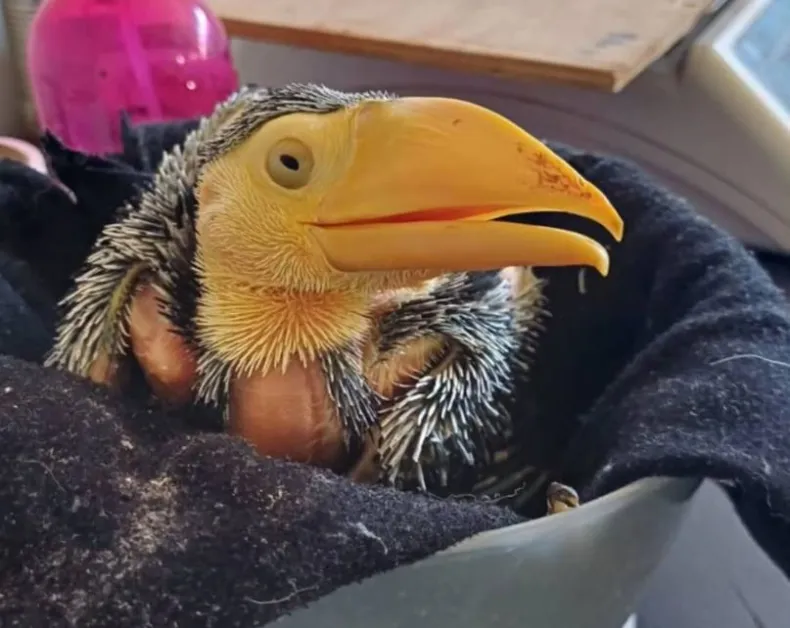
Months of rehabilitation to regain wildlife
The recovery process included veterinary checks, health monitoring, and physical rehabilitation. Each specimen was evaluated to check its general condition and determine the appropriate treatment.
In addition, specialists worked on the recovery of musculature and feathers, essential factors for the birds to fly again.
In parallel, the technical team applied behavioral rehabilitation strategies aimed at reducing stress and stimulating behaviors typical of wildlife.
This process was developed progressively, as many of the toucans had arrived at the center when they were still chicks or fledglings.
The importance of group life for their survival
During the rehabilitation, the toucans were kept in groups, a decision that responds to the social characteristics of the species.
In their natural environment, these birds usually move and feed in groups, which allows them to detect food and reduce risks from potential threats.
The coexistence among individuals favors the recovery of natural behaviors, fundamental for their future reintegration into the ecosystem.
Furthermore, the coordinated work between veterinarians, biologists, interns, and caregivers allows for accompanying each stage of the process until the animals are ready to return to nature.
Toucans: key allies for the regeneration of native forests
Toucans, belonging to the scientific family Ramphastidae, play a fundamental role in the forest ecosystems of South America. These birds primarily feed on fruits and, as they move through large areas of the forest, they disperse seeds that contribute to the regeneration of vegetation.
Thanks to this behavior, many tree species manage to expand and maintain the diversity of native forests. In regions like northeastern Argentina, their presence is especially important for the ecological dynamics of the forest.
However, different species of toucans face threats related to habitat loss, illegal wildlife trafficking, and the capture of specimens as pets. For this reason, rescue and rehabilitation programs play an essential role in conserving these birds and strengthening the ecosystems where they live.
Each specimen that returns to the forest represents a new opportunity for the forest to regenerate and maintain its biodiversity. Thus, the work of conservation centers not only protects animals but also the ecological balance of the entire region.



