



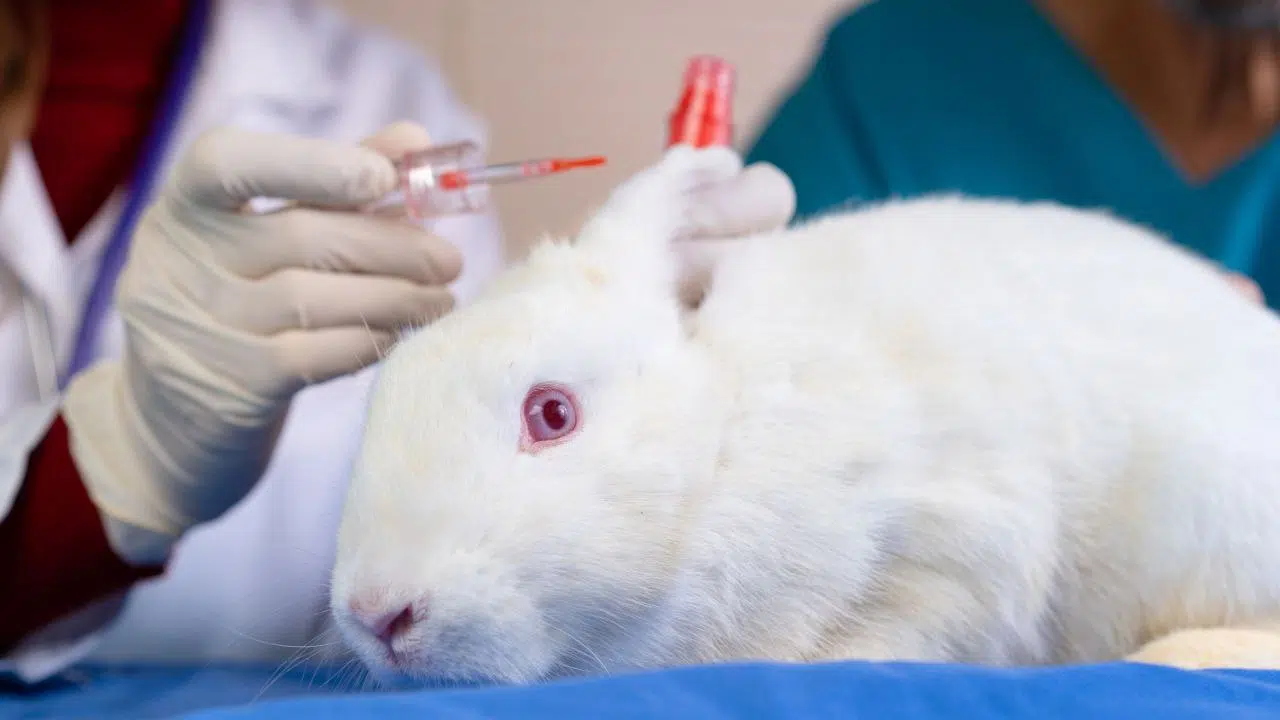
The European Union (EU) approved in March 2026 the Regulation (EU) 2026/405, which establishes the prohibition of marketing detergents and cleaning products that have been tested on animals after March 22, 2026.
The measure requires companies to exclusively use validated alternative methods and tightens marketing conditions, directly impacting manufacturers, distributors, and consumers.
Regulatory Background
The initiative is part of a process started in 2010, when the Directive 2010/63/EU of the European Parliament and the Council recognized animal welfare as a foundational value of the EU.
Since then, member states were required to ensure the reduction of the number of animals used in testing and to promote less painful or alternative methods.
Scope of the Prohibition
The new regulation establishes:
- General prohibition of introducing detergents and surfactants tested on animals into the market.
- Temporary exception: data from tests conducted before March 22, 2026 may be used.
- Controlled exceptions: the European Commission may authorize animal testing if the safety of an essential ingredient is compromised, its use is widespread, and there are no validated alternatives.
Key Innovations
One of the most significant changes is the introduction of the Digital Product Passport, a system that requires manufacturers to generate a digital dossier accessible via QR code. It documents ingredients, traceability, and safety factors, allowing consumers to consult the information before purchase.
Circular Economy and Sustainability
The regulation also promotes sustainability measures:
- Regulated bulk sales, with hygiene and packaging requirements to avoid risks without increasing the use of plastics.
- Refill resale at service stations, under safety standards.
- Mandatory biodegradability: single-dose capsules for dishwashers and washing machines must be fully degradable before March 2032.
Expected Impact
The regulation reinforces the European commitment to the progressive elimination of animal testing and the transition towards a circular economy. For consumers, it means greater transparency and access to information about products. For companies, it involves adapting research and production processes to stricter sustainability and ethical standards.
The prohibition of the sale of cleaning products tested on animals marks a milestone in the EU’s environmental and animal welfare policy. With the new regulation, Europe moves towards a more responsible, transparent, and sustainable consumption model, where technological innovation replaces practices that no longer have a place in a market committed to ethics and the environment.



