



A team from the CONICET at the Institute of Materials Science and Technology Research (INTEMA, CONICET-UNMdP), based in Mar del Plata, is working on the development of a household device capable of removing micro- and nanoplastics from drinking water.
The project, led by researcher Carla di Luca, was recognized with the Franco-Argentine Innovation Distinction 2025 in the Senior category.
The issue of microplastics
The presence of micro- and nanoplastics in drinking water is causing growing global concern, as these particles can enter living organisms and accumulate in tissues, with potential long-term adverse effects.
Current water purification systems are not specifically designed to eliminate them, posing a technological and health challenge.
How the device works
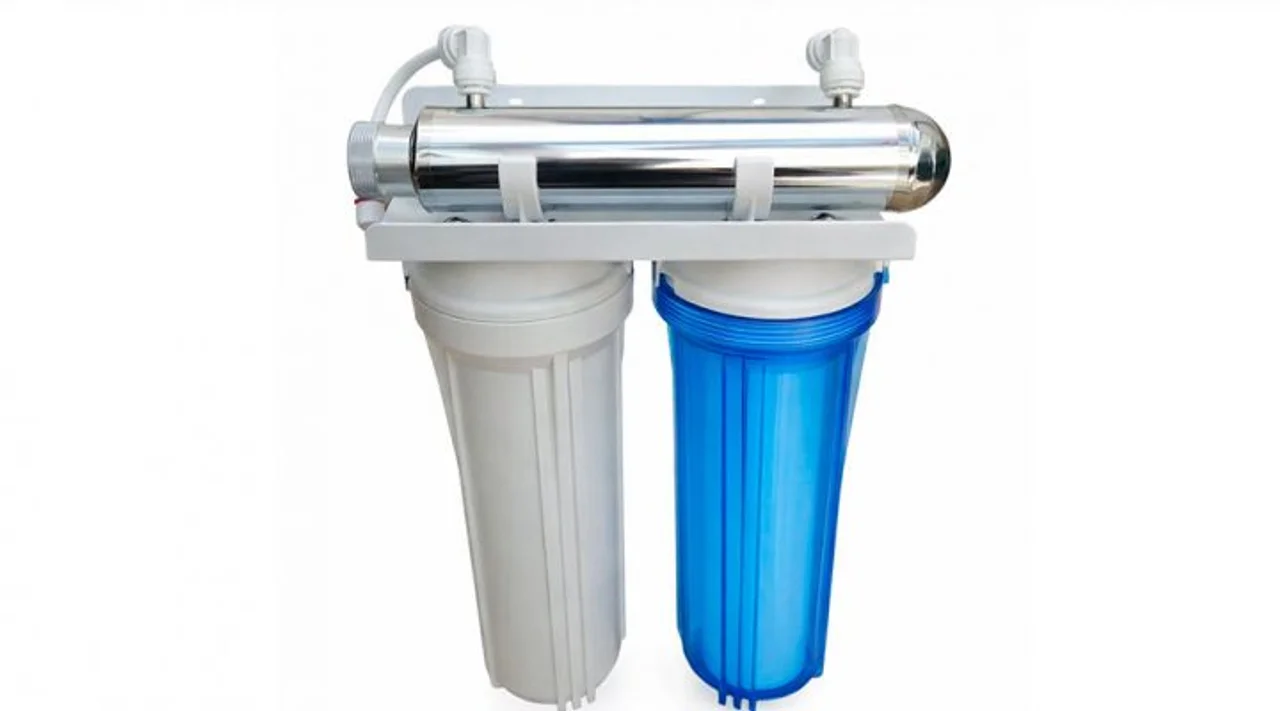
The system combines two stages:
- Activation through UVC photolysis: a high-energy light chemically modifies the surface of the plastics, making them more compatible with other materials.
- Adsorption capture: the activated plastics are trapped by low-cost porous materials, developed from local industrial waste.
This approach seeks greater efficiency in removing nanoplastics, with lower energy consumption than total oxidation and reduced costs thanks to the use of valorized waste.
Limitations of current systems
- Granular activated carbon (GAC) filters: retain particles larger than the pore size, but not nanoplastics.
- Membrane technologies (ultrafiltration and reverse osmosis): highly effective, but costly, with high energy consumption and removal of essential minerals.
- Total oxidation processes: effective in the laboratory, but not very viable due to their high energy and reagent consumption.
Development status
Currently, the project is in the research and laboratory validation phase, evaluating:
- The effectiveness of UVC photolysis as surface activation.
- Selective capture through low-cost functionalized materials.
The next steps include the design and construction of a household prototype, which will allow evaluating the system’s performance under real conditions. If the results are encouraging, progress will be made towards technology transfer to companies in the water treatment sector.
Expected impact
The device aims to become an innovative, efficient, and accessible solution to mitigate the presence of micro- and nanoplastics in water supply systems.
Its development represents a strategic advance in public health protection and in the valorization of industrial waste as technological inputs.



