



This Sunday, April 12, the residents of Lomas de Zamora can participate in a native species planting day organized by the group Acción Naturalista, with the support of Ambiente Lomas and the Turdera delegation.
The activity aims to expand a biocorridor that will connect the Parque Finky de Turdera with the Reserva Natural Municipal Santa Catalina, two green spaces separated by large masses of concrete.
The meeting will begin at 4 PM at Santa María 1100 and will be accompanied by a talk on environmental education and the importance of native plants in the ecosystem.
Selected Species
Fast-growing trees such as Timbó, Fumo Bravo, and Ceibo will be planted, providing shade and shelter. Shrubs and herbaceous plants like Salvia, Verbena, and Sen del campo will also be incorporated, strategically chosen to attract butterflies, hummingbirds, and bees, filling the biocorridor with life and color.
Benefits for Biodiversity and the Community
The creation of the biocorridor will allow fauna to cross and extend their distribution, strengthening biodiversity. Birds will disperse seeds, pollen will travel, and the genetics of the entire ecosystem will improve.
Additionally, the benefits will reach the human population:
- Natural pest control.
- Greater absorption of rainwater.
- Regulation of urban heat.
- Beautification of the landscape.
Community Commitment
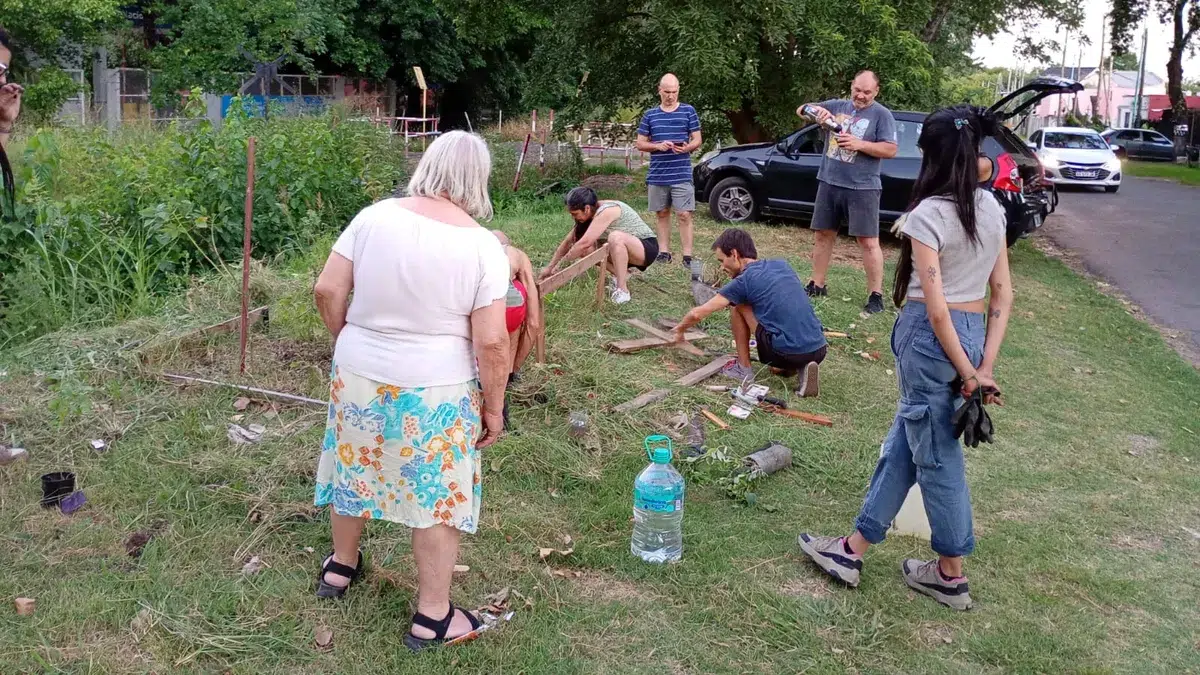
Acción Naturalista, founded in 2024, has already managed to recover five blocks dominated by concrete and asphalt. Now it seeks to involve the community to continue the task. Residents only need to bring mate, as materials will be available on site.
Once the day is over, the care and watering of the species will be in the hands of the participants, who will be the “eyes” of the biocorridor. The group will also conduct tours to clean and replace plants if necessary.
Environmental Education and Citizen Participation
In addition to the planting, informative brochures will be distributed, and a talk will be given on the importance of native species in the restoration of urban ecosystems. The idea is for residents to understand how these plants help improve air quality, regulate temperature, and promote the presence of pollinators.
The initiative also seeks to generate a sense of community belonging: by involving residents in the care of the flowerbeds, shared responsibility is encouraged, and the bond with the natural environment is strengthened.
The proposal by Acción Naturalista not only connects two emblematic green spaces in Lomas de Zamora but also strengthens the relationship between the community and nature. With each tree and shrub planted, a bridge of life is built that will benefit both fauna and residents, consolidating a model of citizen participation and environmental resilience.


