



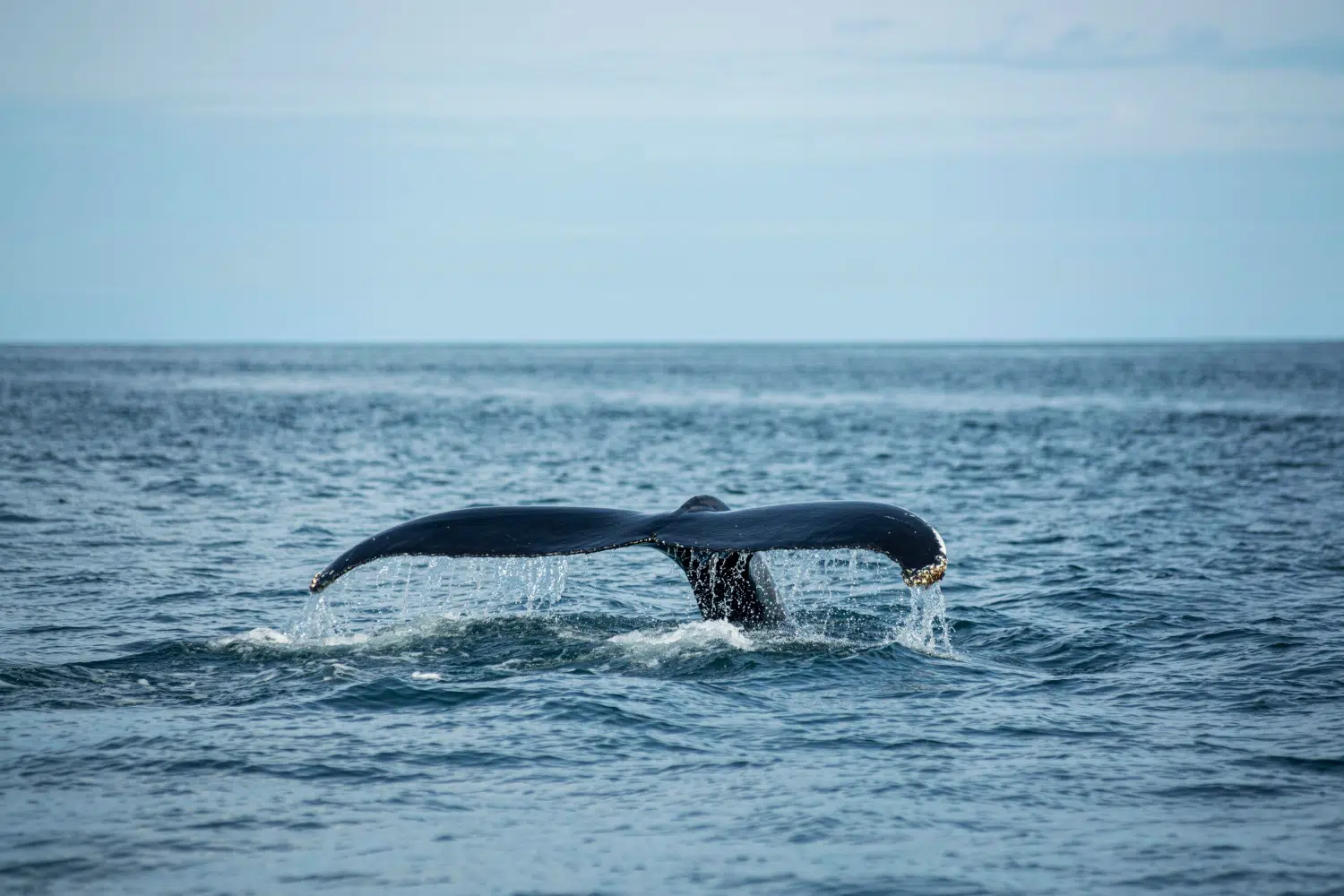
The so-called whale trial took a key step in defending the Gulf of California. A judge in Sonora granted a definitive suspension that halts the transit of LNG carriers—large vessels used to transport liquefied natural gas (LNG)—in the waters where cetaceans live. The measure aims to prevent irreversible impacts on marine life and the coastal ecosystem.
The lawsuit was filed in September 2025 by the organization Nuestro Futuro A.C., on behalf of “The Whales,” with the goal of canceling the Saguaro Project and declaring the Gulf of California as a critical habitat, a legal status that would provide enhanced protection against high-impact activities.
Risks to Cetaceans
Scientific assessments warn that the presence of LNG carriers would generate three main risks:
- Fatal collisions, due to the size and weight of the vessels.
- Underwater noise, which would affect vital functions such as feeding, mating, and migration.
- Interference in communication, causing stress and behavioral changes in whales.
The Marine Mammal Program of UABCS compared dimensions: a blue whale measures about 27 meters, while an LNG carrier can reach up to 345 meters, highlighting the vulnerability of cetaceans.
Cultural and Community Dimension
For the indigenous communities of the Upper Gulf, whales are part of their cosmovision. Traditions such as singing before sailing to Tiburon Island reflect the sacredness of these animals as symbols of nesting, feeding, and reproduction.
The definitive suspension also has the support of coastal communities and specialists, who consider that recognizing whales as subjects of rights would be an unprecedented advance in Mexican legislation.
The Saguaro Megaproject and Other Risks
The Saguaro Energy Project, by the company Mexico Pacific, includes an LNG terminal in Puerto Libertad and associated pipelines.
Opposition points out that it would affect the “Aquarium of the World,” as Jacques Cousteau named the Gulf of California. Additionally, organizations warn that other similar projects, such as AMIGO LNG, could generate cumulative impacts on the ecosystem.
What’s Next in the Trial
The definitive suspension is a precautionary measure: it maintains the current state of affairs until a final judgment is issued. The case could reach the Supreme Court of Justice of the Nation (SCJN), which would open a debate on the legal recognition of cetaceans as beings with rights.
The whale trial sets a historic precedent in Mexico, by focusing on the defense of a unique ecosystem and the possibility of recognizing rights for marine species. Beyond the legal aspect, the case reflects the tension between energy megaprojects and the conservation of one of the most biodiverse seas on the planet.



