



The crisis of Patagonian livestock farming has profoundly transformed the territory in recent decades. Thousands of hectares have been abandoned following the closure of rural establishments affected by low profitability, desertification, and the deterioration of natural grasslands.
Currently, more than 25 million hectares remain out of production in various areas of Patagonia. This situation impacts regional economies linked to wool, meat, and slaughterhouses, in addition to affecting employment in numerous rural towns.
Furthermore, producers and technicians warn that the abandonment of fields does not necessarily imply an automatic recovery of ecosystems. On the contrary, they argue that many areas continue to degrade even without the presence of domestic livestock.
In regions of Santa Cruz, Chubut, and San Julián, various monitoring efforts have detected problems associated with overgrazing by guanacos or the excess of dry vegetation accumulated after years without productive management.
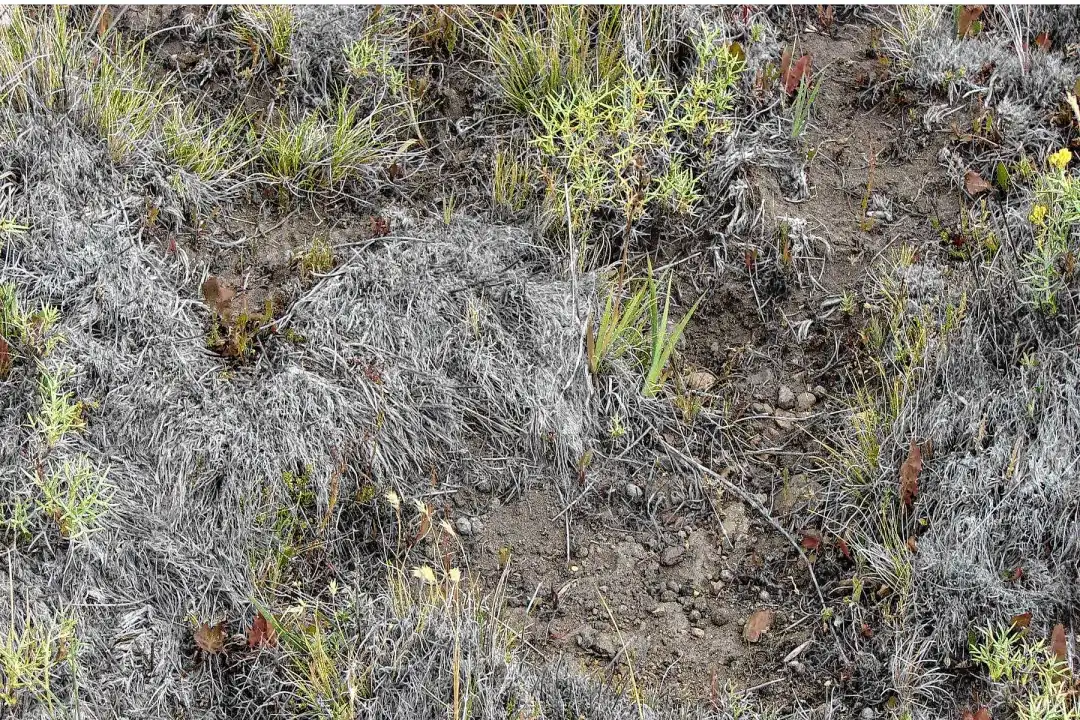
Guanacos, desertification, and scientific debate in Patagonia
One of the main environmental debates revolves around the role of the guanaco within Patagonian ecosystems. While some sectors advocate for their strict protection, other specialists consider it necessary to implement sustainable management strategies.
According to various researchers and producers, the continuous grazing of large guanaco populations can also lead to soil degradation and loss of vegetation cover, especially in fragile environments with little natural regeneration.
They also emphasize that these animals used to maintain constant movements conditioned by the presence of predators, water sources, and climatic dynamics. However, environmental transformations and the reduction of natural threats have altered these patterns.
On the other hand, climate change has altered the regional ecological functioning. The decrease in snowfall and the increase in winter temperatures have favored the sustained growth of some wild populations, increasing pressure on grasslands.
In places like Estancia Santa Lucía, Estancia La Barrancosa, and Estancia Media Luna, specialists have observed different scenarios after decades without livestock activity, including localized overgrazing, expansion of degraded areas, and excessive accumulation of dry grasses.
The benefits of regenerative agriculture and planned management
In response to this situation, various organizations are promoting models of livestock farming and regenerative agriculture aimed at restoring the ecological health of soils and improving productive sustainability.
Regenerative agriculture proposes practices that enhance biodiversity, increase water infiltration, and reduce erosion. It also promotes the recovery of soil microorganisms and strengthens the natural nutrient cycles.
Another of its benefits is the ability to capture atmospheric carbon and store it in the soils. This function becomes relevant in the context of climate change, as it helps to reduce emissions and improve the resilience of rural ecosystems.
In Patagonia, initiatives such as holistic management and planned grazing seek to recreate balanced cycles between consumption and rest of the grasslands. This way, they aim to avoid both overgrazing and the deterioration caused by long periods without vegetation removal.
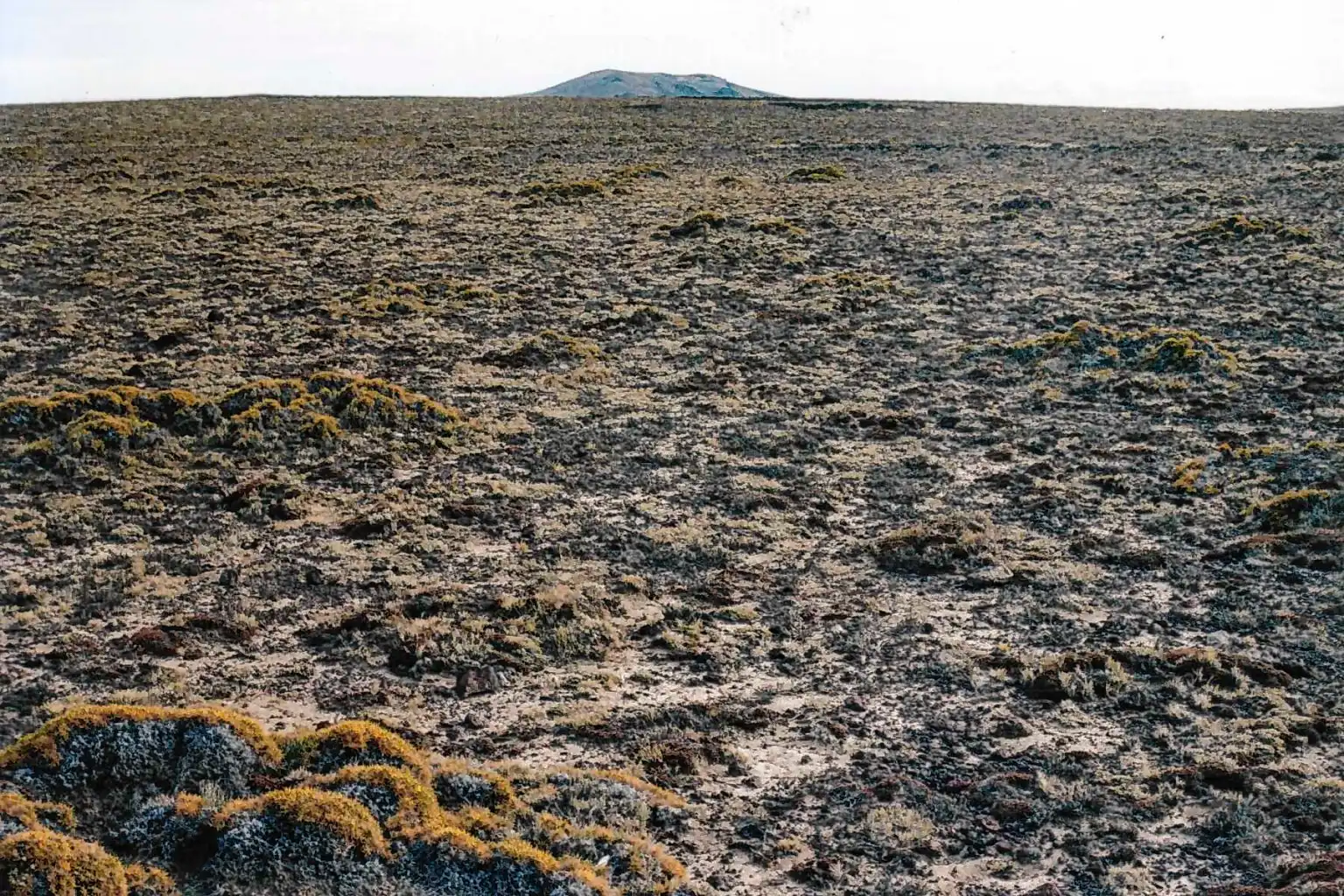
Sustainable production and ecological restoration as a regional challenge
Various sectors agree that the future of Patagonia will depend on finding a balance between environmental conservation and economic development. In this context, the recovery of grasslands emerges as a priority to sustain biodiversity, employment, and rural settlement.
Additionally, specialists propose moving towards sustainable utilization systems for guanacos, integrating productive chains linked to fibers, food, and environmental services under ecological regulations.
International experiences, such as the wildlife management in Australia, are observed as potential reference models. However, experts emphasize that any strategy will require public and private coordination, investment, and long-term policies.
Meanwhile, producers from different Patagonian regions continue to implement regenerative practices that aim to restore degraded ecosystems without abandoning rural activity, combining nature conservation with sustainable production.


