



The recent signing of an agreement between the Argentine Navy and the Fourth Fleet of the United States Southern Command has once again placed the management and protection of the Argentine Sea at the center of the debate, one of the areas of greatest biological and strategic wealth in the South Atlantic.
The agreement establishes cooperation mechanisms for patrolling the Exclusive Economic Zone over the next five years. According to the disseminated guidelines, the main objective is to strengthen surveillance against illegal fishing and other activities affecting marine resources.
However, the initiative also raised questions in academic, environmental, and national defense circles, especially due to the definition of the Argentine Sea as a “global common good”, an expression that generated concern among various sectors.

The protection of marine biodiversity as a priority challenge
The Argentine Sea hosts ecosystems of enormous ecological significance. Its waters are habitat for fish, marine mammals, oceanic birds, and numerous species that sustain complex food chains.
Additionally, areas of great biological value such as the Blue Hole represent true biodiversity reservoirs and are fundamental spaces for scientific research and marine conservation.
Therefore, monitoring fishing activities is a key tool to prevent the overexploitation of resources, preserve ecosystems, and ensure the sustainability of marine populations for future generations.
Transparency and control over fishing activity
In parallel to the debate on the international agreement, a legislative proposal is advancing aimed at improving public access to fishing information.
The initiative seeks to make vessel registries, fishing permits, catch quotas, license transfers, and administrative sanctions available for open and updated consultation.
Moreover, environmental organizations believe that greater transparency would strengthen controls over illegal fishing, improve product traceability, and provide tools for a more efficient management of marine resources.
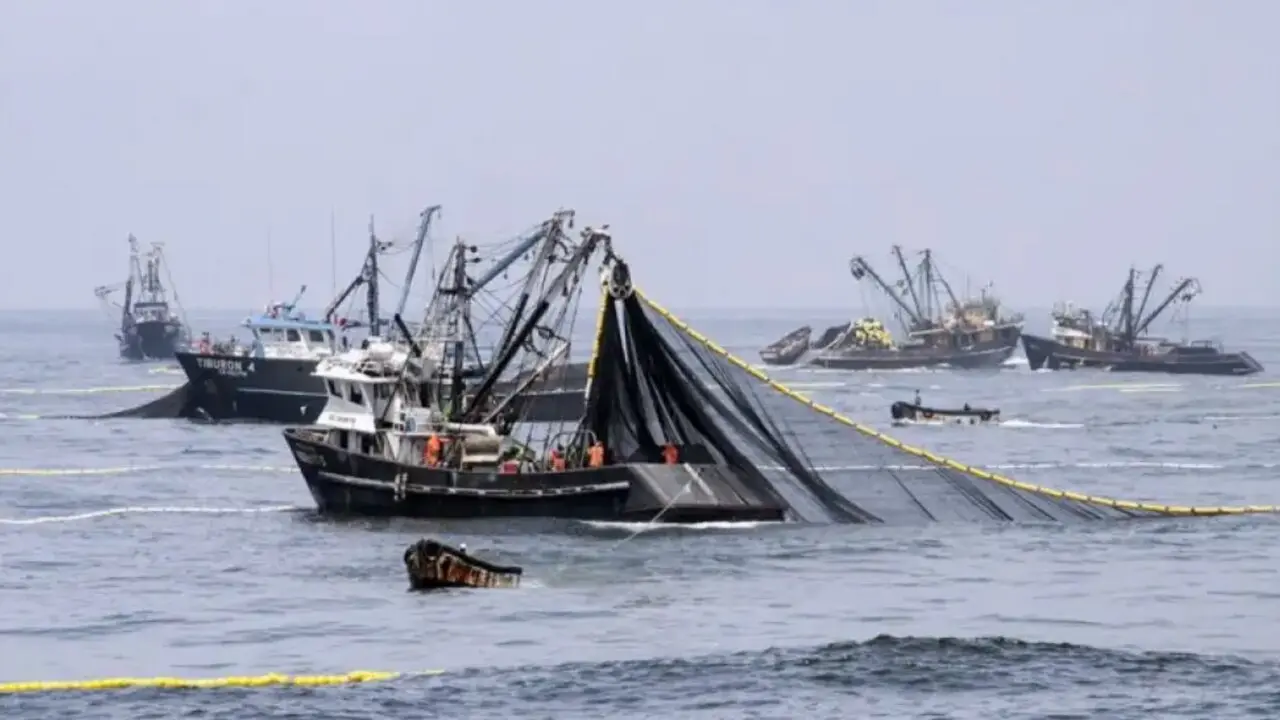
What could be the possible benefits of this agreement for environmental protection
Among the positive aspects highlighted by the proponents of the agreement is the strengthening of monitoring capabilities over an extensive maritime area that is difficult to control permanently.
Additionally, technological cooperation could facilitate access to advanced surveillance systems, detection, and tracking of vessels, allowing for quicker identification of unauthorized fishing activities.
On the other hand, the training and technical exchange programs outlined in the agreement could contribute to improving the operational capabilities of the agencies responsible for the protection of marine resources and environmental oversight.
Furthermore, more efficient surveillance would help reduce pressure on commercial species and sensitive ecosystems, promoting a more sustainable exploitation of South Atlantic resources.
Marine conservation and pending challenges
Despite the progress, specialists agree that Argentina still faces significant challenges in ocean conservation. Currently, a limited portion of its marine surface has specific protection figures.
In this context, the implementation of comprehensive policies that combine conservation, scientific research, fishing control, and institutional transparency appears as a strategic priority for the country.
Meanwhile, the strengthening of Marine Protected Areas, the protection of sectors such as the Blue Hole, and the improvement of monitoring systems continue to be fundamental tools to preserve one of Argentina’s most important natural heritages.
The debate opened by this agreement reflects the growing importance of the oceans in a global scenario marked by the need to protect biodiversity, ensure the sustainable use of resources, and secure the health of marine ecosystems for future generations.


