



The budget cut applied to the National Parks Administration has raised alarms among specialists, park rangers, and environmental organizations. The measure implies a reduction of 3879 million pesos allocated to the management and conservation of 46 protected areas in the country.
Of the total cut, more than 2557 million pesos correspond to essential operational expenses. These include fuel, vehicle maintenance, infrastructure repair, provision of basic supplies, and hiring of technical services.
Additionally, more than 1322 million pesos were withdrawn from programs related to training, planning, infrastructure, conservation, and management of protected areas, as well as the Marine Protected Areas System.

Iconic parks affected by the reduction of funds
The decision impacts some of the most important natural spaces in Argentina. Among them are the Nahuel Huapi National Park, Los Glaciares National Park, where the Perito Moreno Glacier is located, the Iguazú National Park, Lanín National Park, and the Los Alerces National Park.
In the case of Nahuel Huapi, the reduction amounts to about 191 million pesos. Similarly, Lanín lost around 157 million, while Los Alerces and Los Glaciares also report significant decreases in their budget allocations.
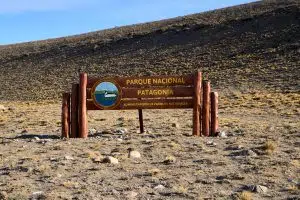
The situation generates special concern in Patagonia, where forest fires have become more frequent and intense in recent years, requiring permanent resources for prevention tasks and rapid response.
Park rangers warn about operational difficulties
Workers in the protected areas system pointed out that the adjustment could translate into less fuel for patrols, less availability of vehicles, and limitations for the maintenance of essential equipment.
They also emphasize that the reduction of resources affects environmental surveillance, rescues, species monitoring, visitor attention, and actions aimed at preventing forest fires.
In particularly sensitive places, such as Los Alerces, which recently faced significant fire outbreaks, there is concern about the response capacity to future environmental emergencies.
How these measures can affect the environment
The reduction of funds allocated to conservation can generate direct consequences on ecosystems. A reduced presence of personnel and controls facilitates illegal activities such as poaching, illegal logging, and irregular occupation of protected areas.
Additionally, the reduction of monitoring tasks hinders the early detection of forest fires, invasive species, and diseases that affect biodiversity. This can lead to long-term ecological damage and higher recovery costs.
Moreover, national parks play fundamental roles in the protection of forests, wetlands, glaciers, and watersheds. They also act as carbon reservoirs that help mitigate climate change. When resources for their management decrease, one of the main tools for environmental conservation in the country is weakened.
A challenge for the future of biodiversity
The budget reduction opens a debate about the role of protected areas in the sustainable development of Argentina. These territories not only safeguard unique species and landscapes but also promote scientific research, environmental education, and nature tourism.
As discussions about the financing of the system continue, specialists agree that strengthening conservation is key to ensuring the protection of natural heritage and the resilience of ecosystems in the face of future climate challenges.


