



The concern for animals living outdoors gave rise to an educational project that combines environmental awareness, innovation, and solidarity. Students from School No. 3 “Manuel Belgrano” in La Toma, San Luis, developed a proposal based on the construction of ecological shelters made with natural materials, aiming to provide protection to homeless animals while promoting sustainable practices.
The initiative, called “ECO-REDES”, was presented at the regional stage of the Science Fair and reflects how education can become a tool to address social and environmental issues through low ecological impact solutions.
In addition to providing shelter to stray dogs, the project promotes the responsible use of natural resources and fosters a culture of respect for all forms of life present in the urban environment.
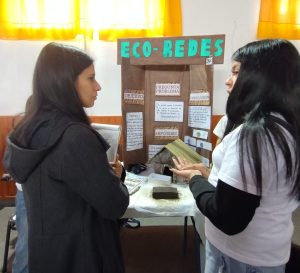
A proposal born from observation and community commitment
The project was developed by third-year students of the Youth and Adults Modality, who balance their studies with work, family care, and other daily responsibilities.
Despite these demands, the group found time to analyze a common issue in La Toma: the presence of numerous dogs exposed to cold, rain, and high temperatures without any shelter.
Faced with this reality, the students began to research alternatives that would allow them to improve the living conditions of these animals through shelters built with sustainable, economical, and readily available materials.
Bioconstruction at the service of animal welfare
With the support of teachers María José de la Torre, Andrea Aguilar, Braulio Garraza, Dayana Godoy, Mayra Quevedo, Gastón Ramírez, and Emilia Veldeón, the group delved into bioconstruction techniques adapted to the needs of the project.
During the process, they analyzed different options and conducted tests using adobe and other low environmental impact natural resources to design shelters capable of providing thermal insulation and resistance to weather conditions.
The use of natural materials not only reduces waste generation and the use of industrial inputs but also decreases the environmental footprint associated with the manufacture of conventional structures.
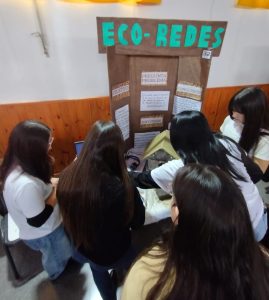
Learning that integrates environment, science, and social participation
The experience allowed linking content from various areas of knowledge, from natural sciences to technology and sustainable construction.
At the same time, it strengthened values related to empathy, environmental responsibility, and community commitment, demonstrating that small actions can generate significant transformations when they arise from collective work.
Moreover, participation in the Science Fair allowed for the visibility of an initiative that combines educational innovation with concrete solutions to improve coexistence between people and urban animals.
Other ways to help stray dogs
The construction of shelters represents a valuable tool, although there are other actions that also contribute to improving the situation of street dogs. Responsible adoption remains one of the most effective measures to reduce abandonment and provide them with a permanent home.
Additionally, spaying and vaccination campaigns help control the canine population, prevent diseases, and reduce the number of animals born without the possibility of receiving adequate care. These initiatives also benefit public health and promote more balanced coexistence.
On the other hand, collaborating with protective organizations through donations of food, blankets, medicines, or materials for shelters strengthens the work of those who assist these animals daily. Likewise, reporting cases of abuse, promoting responsible ownership, and participating in volunteer programs are actions that contribute to building more supportive communities, where animal welfare and environmental care advance together.

