



The Chaco Chamber of Deputies unanimously approved a law that toughens penalties against animal abuse and cruelty, in a measure aimed at strengthening wildlife protection and promoting greater awareness of respect for living beings.
The regulation incorporates a more severe fine scheme, arrests, disqualifications, and new tools aimed at preventing abuse situations. Additionally, it creates specific mechanisms to assist affected animals and improve the authorities’ response to such incidents.
With this legislative advancement, the province adds a broader legal framework to combat practices that compromise animal welfare and affect the balance between communities and their environment.

Million-dollar fines and stricter sanctions for those who exercise violence
The new legislation establishes fines that can reach 18,390,000 pesos, calculated based on the Minimum, Vital, and Mobile Salary, in addition to arrests whose duration varies according to the severity of each infraction.
In cases considered as animal abuse, economic sanctions will range from 1.8 million to 7.3 million pesos, accompanied by arrests of up to 60 days.
On the other hand, when acts of animal cruelty are proven, fines will range between 9.1 and 14.7 million pesos, while arrest penalties can extend up to 120 days.
The maximum sanction will apply when the aggressions cause the death of the animal, severe mutilations, or irreversible damage. In these scenarios, the fine can reach 18.3 million pesos and the arrest can last up to 180 days.
New behaviors covered by the legislation
In addition to toughening penalties, the law expands the list of actions considered infractions to provide greater coverage against different forms of violence.
Among them, abandonment, lack of adequate food, absence of veterinary care, and keeping animals in conditions incompatible with their welfare are included.
Likewise, the regulation sanctions the organization of activities that involve suffering, injuries, or death of animals, as well as performing surgical interventions without anesthesia or without the corresponding professional authorization.
A frequent situation on public roads is also included: abandoning an injured animal after a traffic accident without providing assistance will be considered an act of cruelty.
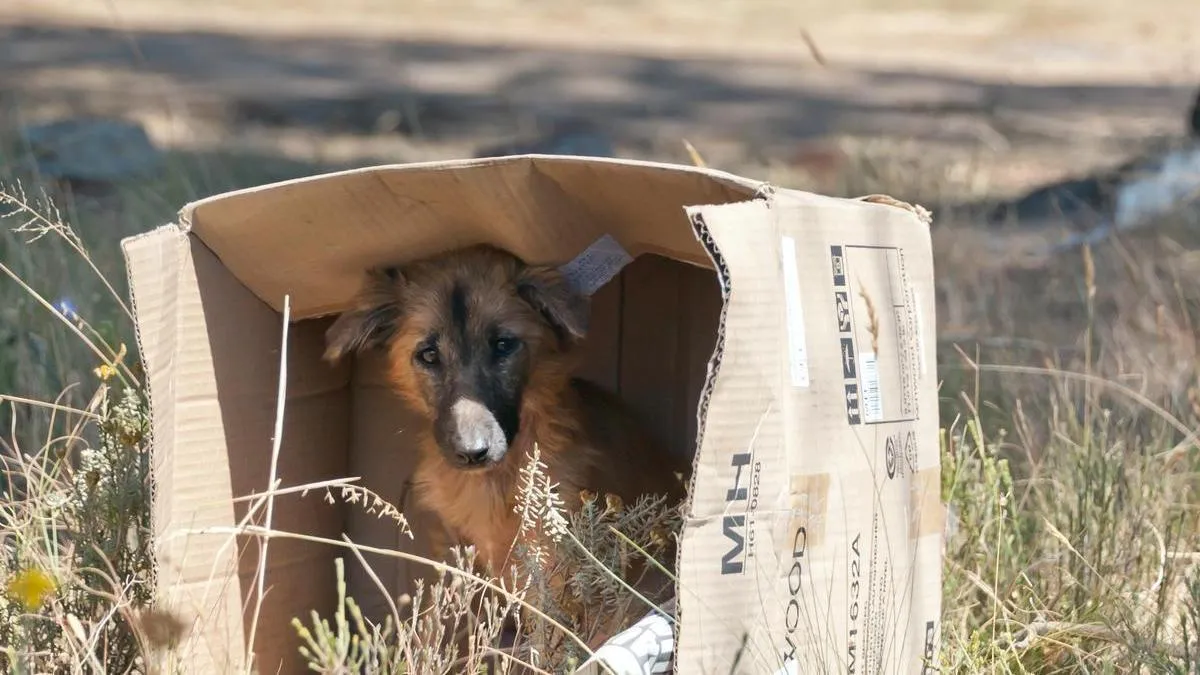
Offender registry, preventive rescues, and a specific fund
The legislation creates a Provincial Registry of Offenders for Animal Abuse and Cruelty, which will allow monitoring those who violate the regulations.
It also considers the possibility of disqualifying responsible persons from adopting or having animals, even permanently when there is recidivism or the acts are extremely serious.
Another relevant aspect is the authorization to carry out preventive rescues when the life or integrity of the animal is at risk. In parallel, a Provincial Fund for Animal Protection and Welfare is created to finance rescues, veterinary treatments, educational campaigns, and awareness actions.
A law that strengthens animal protection
The strengthening of the legal framework helps to discourage violent behaviors through more forceful sanctions, generating a greater preventive effect against abuse and cruelty.
At the same time, the creation of tools such as the offender registry and the specific fund facilitates a quicker response to complaints, allowing for improved assistance, recovery, and protection of affected animals.
Additionally, this type of initiative promotes a culture based on responsible ownership, encourages environmental education, and strengthens the link between animal welfare, public health, and biodiversity conservation, fundamental aspects for building communities more respectful of all forms of life.



