



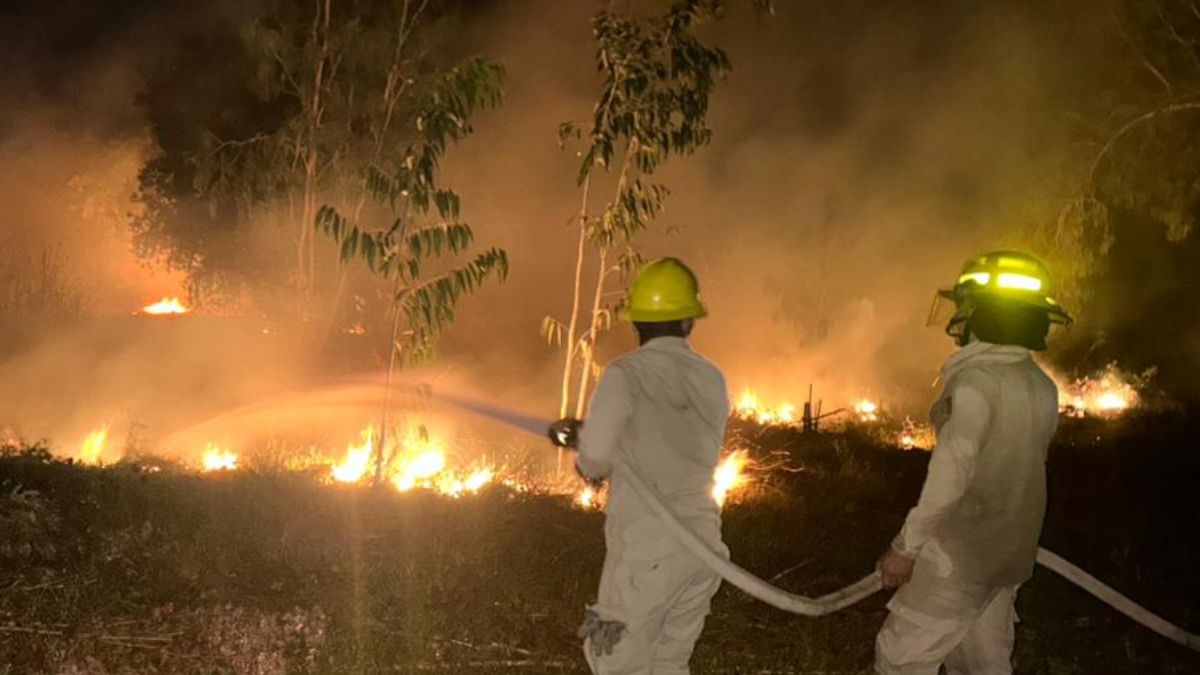
The Forest Conservation Institute (ICF) reported that during the 2026 season, forest fires have ravaged 65,000 hectares in Honduras.
The director of the organization, José Armando Ramírez, warned about the severe environmental impacts and the direct impact on watersheds that supply water to rural and urban communities.
“Several fires reached areas of hydrological importance, which increases the risk of deterioration in water supply sources,” Ramírez noted.
Most affected regions
40% of the damaged area is concentrated in the departments of Olancho and Cortés, historically vulnerable to disasters.
In Cortés, the El Merendón reserve was protected thanks to the joint work of the San Pedro Sula Municipality, the Fire Department, and the Armed Forces, which managed to contain major damages.
Main causes
Authorities identified recurring factors:
- Agricultural burning to prepare land.
- Garbage burning in rural areas.
- Intentional arson.
These practices generate economic and environmental losses and put firefighters and communities at risk.
Impact on wildlife
The Fire Department reported that more than 900 wild animals were rescued during the season. Among them:
- Owls and barn owls.
- Snakes.
- Deer, especially in areas near Cantarranas and Valle de Ángeles.
Many specimens were found injured, disoriented, or weakened due to lack of food and water. Some had to be transferred to temporary care centers to receive care before being released in safe areas.
Consequences on water and soil
The fires have caused:
- Decrease in flow in streams and rivers.
- Drying of natural sources in several communities.
- Reduction of soil capacity to retain water.
- Increased risk of droughts, erosion, and landslides during the rainy season.
Call for prevention and restoration
Ramírez insisted that prevention is the most effective tool against forest fires. The ICF urged agricultural producers to plan burns, establish firebreaks, and request technical support.
Additionally, the public was called to participate in reforestation and environmental restoration campaigns, essential to protect water reserves, improve the microclimate, and conserve ecosystems.
Climatic context
Honduras faces increasingly intense fire seasons, driven by:
- High temperatures.
- Prolonged droughts.
- Extreme conditions derived from climate change.
Authorities maintain surveillance and response operations in different regions, while environmental organizations call for strengthening forest protection policies and expanding reforestation actions.
The 2026 forest fires in Honduras highlight an environmental crisis affecting forests, wildlife, water, and communities.
The magnitude of the damage reinforces the need for public awareness, active prevention, and restoration policies to mitigate the effects of a phenomenon that intensifies each year.


