



The growing concern about the environmental deterioration in the surroundings of Parque Caraguatá, in the northern area of Resistencia, prompted the filing of an environmental injunction before the provincial Justice. The initiative was led by Councilwoman Lucila Masin along with local residents, who have long denounced the formation of an open-air dump and the constant burning of waste.
The judicial claim requests the immediate suspension of garbage dumping activities and soil removal on a site located near a lagoon integrated into the city’s drainage system. According to the complainants, the activities pose a risk to both the environment and the health of the population.
In addition to the accumulation of waste, neighborhood organizations warn that the burnings generate pollutant emissions and compromise a natural area considered strategic for the regulation of water surpluses during periods of heavy rain.
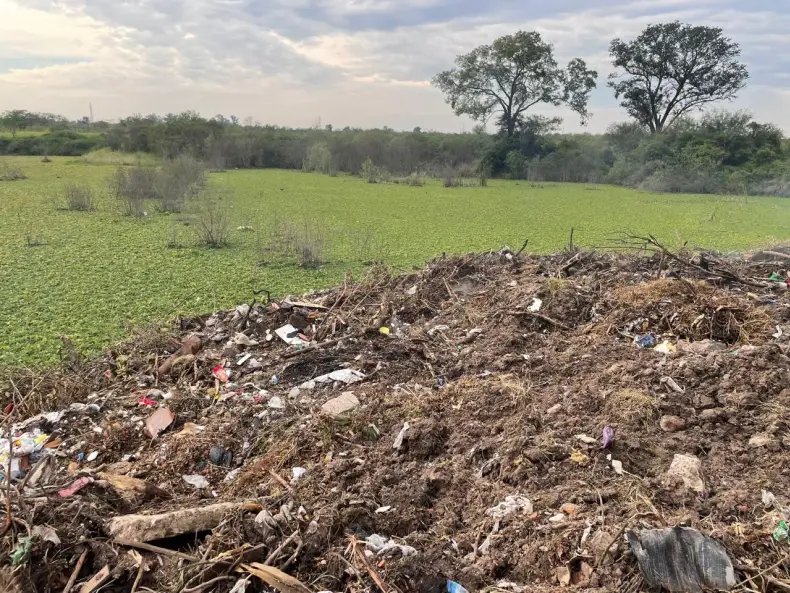
An area protected for its environmental and hydric function
The presentation argues that the affected land is part of a set of natural reservoirs essential for the operation of the hydric master plan of Resistencia. These lagoons allow for the temporary storage of rainwater and reduce the risk of flooding in various urban sectors.
In this context, the proponents of the injunction believe that the disposal of waste and earth movement alter the natural conditions of the wetland and could affect its capacity to fulfill that function.
They also pointed out that the problem goes beyond waste management, as it involves the preservation of an ecosystem whose stability is key for the environmental balance and the safety of the inhabitants in the face of extreme weather events.
The Justice will analyze the reported interventions
As part of the file, an action was also promoted before the Municipal Environmental Court to report the situation and request complementary preventive measures.
According to the complaint, the observed tasks would have been carried out by trucks belonging to the municipality of Resistencia. To support the presentation, the residents included photographic and audiovisual records that would document the dumping of waste and the work carried out on the land.
While the municipal authorities indicated that part of the material would correspond to urban pruning waste, those who promote the claim argue that there are waste of various kinds and earth movements incompatible with the environmental protection of the area.
The case will continue to progress with a judicial recognition scheduled for July 2, during which the site will be inspected to assess the condition of the place and the reported interventions.
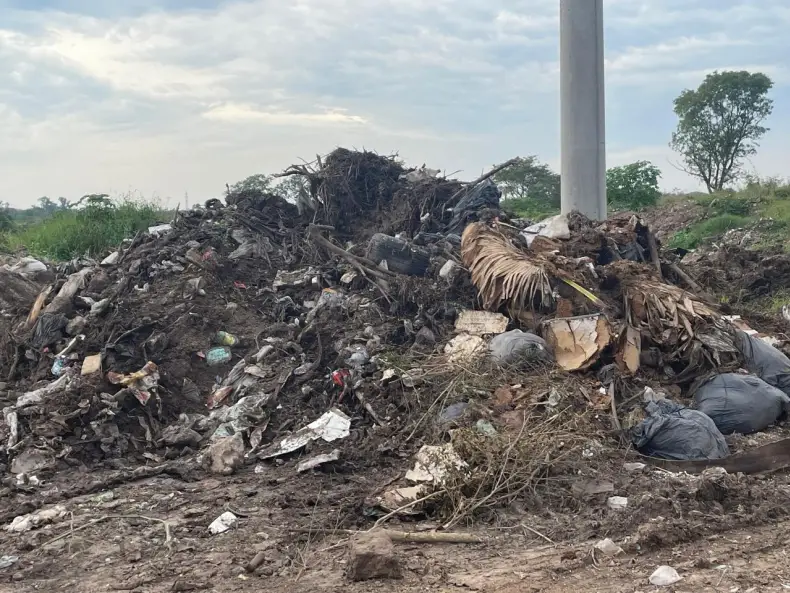
Environmental organizations on alert over interventions in Parque Caraguatá
Residents and environmental organizations expressed their concern about the recent interventions carried out in Parque Caraguatá, in Resistencia. They denounce earth movements, use of heavy machinery, and felling of native trees, including quebrachos, without detailed public information or dissemination of an Environmental Impact Study.
They also claim that the works may have destroyed bird nests and wildlife shelters, affecting the area’s biodiversity. They recall that the park preserves streams, grasslands, palm groves, forests, and native woodland, where species of high ecological value, such as the howler monkey, declared a Provincial Natural Monument, inhabit.
The organizations also highlight the cultural value of the place, as for years it has been the scene of activities with Qom communities to preserve knowledge about the forest and medicinal plants. They also point out that for over a decade they have been promoting environmental education projects and advocating for the site to be recognized as a Natural Reserve.
In this scenario, they demand greater transparency about the interventions, the publication of the Environmental Impact Study, and measures that ensure the conservation of the natural and cultural heritage. They consider that protecting Parque Caraguatá is essential to preserve one of the main green lungs of Resistencia and its biodiversity.
How an open-air dump affects the environment and the health of residents
The open-air dumps generate multiple impacts on ecosystems. The accumulation of waste promotes the contamination of soil and surface and groundwater through leachate that can carry hazardous substances to lagoons, streams, and aquifers.
Moreover, the burning of garbage releases fine particles, toxic gases, and contaminant compounds that deteriorate air quality. Prolonged exposure to these emissions can increase the risk of respiratory conditions, eye irritations, and other health problems, especially in children, the elderly, and people with pre-existing conditions.
Furthermore, these areas often become breeding grounds for insects and rodents that transmit diseases, while degrading the local biodiversity, altering the functioning of wetlands, and reducing the natural capacity of the landscape to regulate rainwater. Proper management is essential to protect both the environment and the quality of life of nearby communities.



