



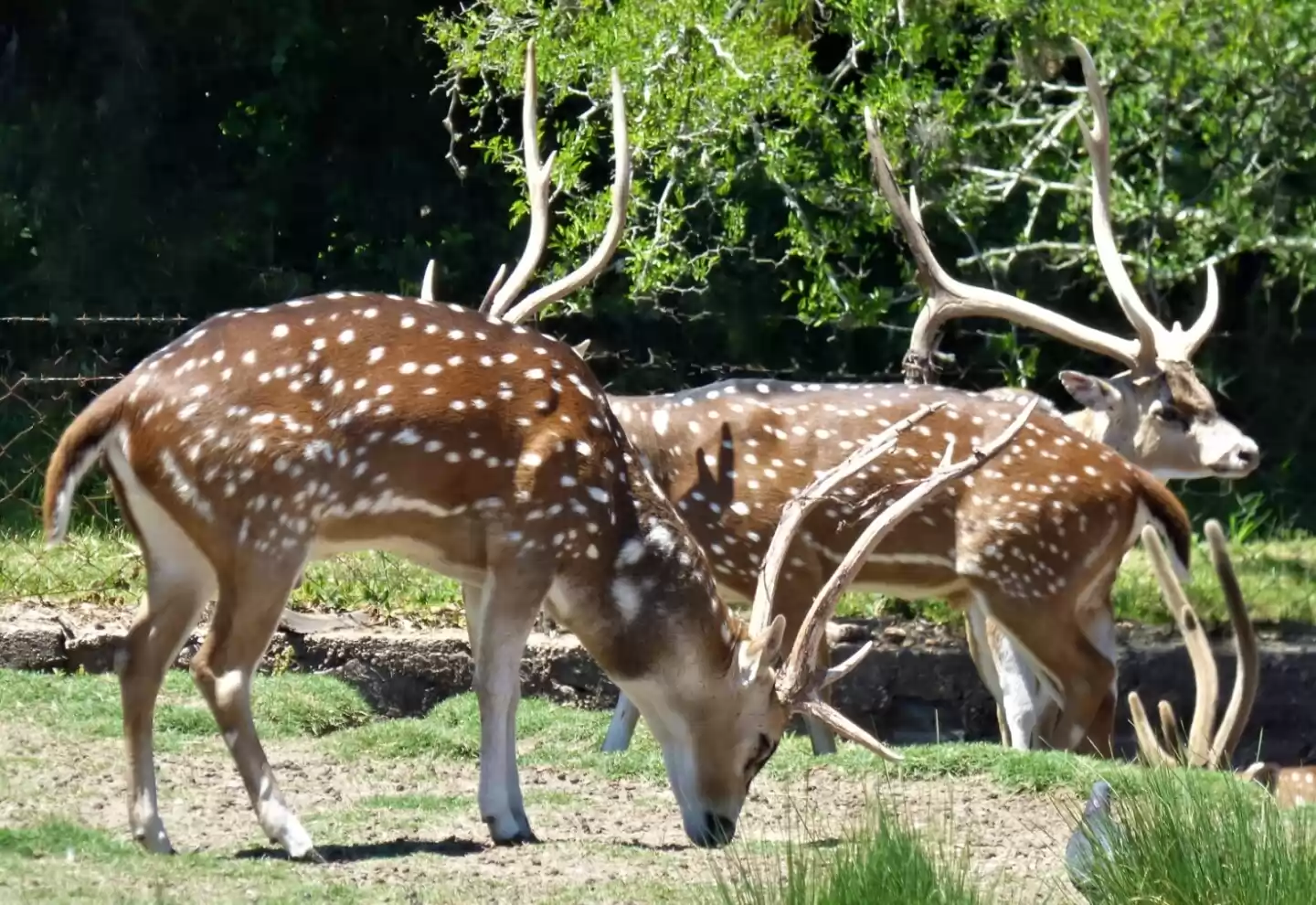
Vecinos del barrio El Gigante del Oeste, en Lisandro Olmos (La Plata), avistaron en los últimos días un axis deer moving through fields between streets 47 to 52 and 173 to 177.
The presence of the animal raised concerns about the risk of being hit by vehicles due to traffic flow and the possibility of it being hunted or harmed due to its proximity to humans.
Residents contacted the Fauna area of the Province of Buenos Aires, which responded that it is an axis deer specimen. An exotic species introduced in Argentina and currently distributed in much of the province.
The agency indicated that unless the animal is injured or in danger, intervention is not appropriate, as they tend to return on their own to rural areas.
Neighborhood Reactions
The official response caused discontent in the neighborhood, where residents lamented that “they are not going to do anything, it seems, unless it is found injured.”
In light of this, they asked the community to take extra care, especially at night, to prevent the deer from being hit and to allow it to return to a safer environment.
Origin of the Axis Deer in Argentina
- Historical Introduction: It was brought in 1928 by the Anchorena family for sport hunting.
- Adaptation: It quickly expanded in the grasslands and open forests of Buenos Aires.
- Current Distribution: It is concentrated in the tala forests near Bahía Samborombón, and in the sierras of Tandil and Balcarce.
Ecological and Productive Impact
The axis deer is considered an invasive exotic species and pest, with negative effects:
- Competition with native fauna: displaces the marsh deer and the pampas deer.
- Habitat Damage: causes erosion, destroys vegetation cover, and alters ecosystems.
- Agricultural Damage: competes for pastures with livestock and damages crops.
- Road Risk: its presence on roads increases traffic accidents.
Cinegetic Importance
Despite its negative impacts, the axis deer has become one of the most coveted big game prey in Argentina, due to the quality of its meat and the value of its antlers.
This has boosted a sector of hunting tourism, although it generates debate due to its environmental impact.
Management Protocols
The Directorate of Flora and Fauna of the Province of Buenos Aires establishes that:
- Urban sightings should be monitored without intervention, unless the animal is injured.
- In case of emergency, the FAR Network can be contacted, which evaluates each situation and acts if appropriate.
The sighting of the axis deer in La Plata reflects how invasive exotic species can enter urban areas and generate social concern.
Although the regulations indicate not to intervene unless the animal is in danger, the case highlights the need to strengthen the management of exotic fauna and raise awareness among the population about the ecological, productive, and road risks that its presence implies.


