



Cada año, thousands of dolphins, porpoises, and whales die trapped in fishing nets. This phenomenon, known as bycatch or incidental capture, is one of the biggest threats to marine mammals.
In artisanal fisheries, nylon nets barely reflect sound, becoming invisible to cetaceans that rely on echolocation. Electronic devices called pingers have been used for decades, but their high cost limits their adoption in small-scale fishing communities.
An Innovative Idea: Recycled Bottles
Professor Per Berggren from Newcastle University proposed a surprisingly simple alternative: recycled plastic bottles.
- A closed bottle contains air, which reflects sound underwater with great efficiency.
- When a dolphin emits its echolocation clicks, the bottle returns a strong echo, making the net detectable.
- In laboratory tests, a single bottle increased the acoustic detectability of the net between 100 and 1,000 times.
Trials on Three Continents
Researchers conducted more than 1,600 net deployments in:
- Peru.
- Zanzibar, Tanzania.
- Southern Brazil.
In Brazil, the results were conclusive:
- In nets with bottles, no dolphin captures were recorded in the first trial.
- A second campaign with 318 outings confirmed a reduction of 88% in incidental capture.
- Commercial fish catches remained stable and even increased in some cases.
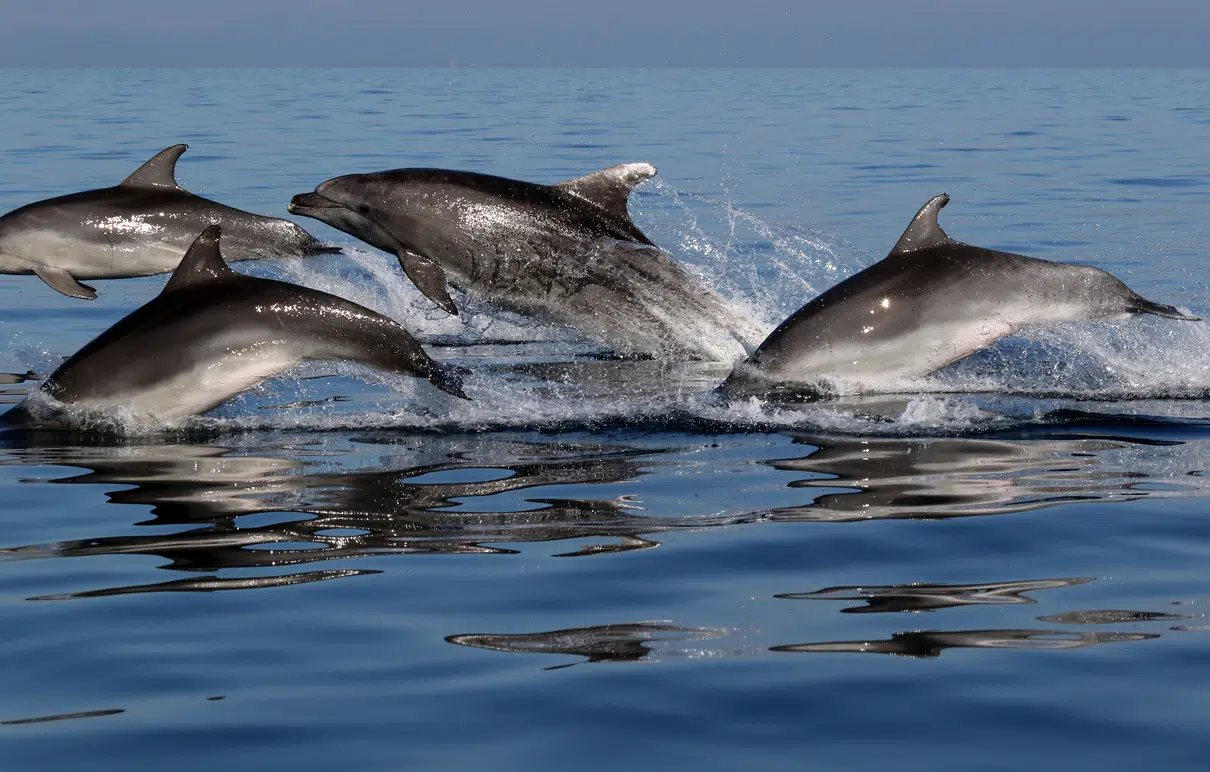
One of the beneficiaries was the franciscana, a small coastal dolphin classified as Vulnerable by the IUCN.
Regional Differences
In Peru and Zanzibar, the bottles did not significantly reduce the capture of dolphins or turtles. Researchers attribute this to environmental noise in the ocean’s surface layers, which makes it difficult to distinguish the echo from the bottles.
In deeper and calmer waters, where dolphins rely more on echolocation, the system showed greater effectiveness.
Circular Economy and Sustainability
The system has key advantages:
- Low cost: accessible for artisanal fishing communities.
- Circular economy: reuses abundant plastic waste instead of manufacturing new devices.
- Commercial compatibility: does not affect fishing profitability, facilitating its acceptance.
Researchers emphasize that the bottles remained firmly attached to the nets during trials, preventing the addition of new waste to the sea.
Next Steps
Following the good results in Brazil, the team is expanding trials in Cambodia and the Republic of the Congo to evaluate the technique in different ecosystems.
In parallel, international organizations like the FAO are promoting improvements in fishing gear to reduce the impact on protected species. Such low-cost innovations can complement these strategies and democratize access to conservation solutions.
The incorporation of recycled bottles in fishing nets demonstrates that creativity and simplicity can make a difference in protecting marine wildlife.
Reducing the incidental capture of dolphins by nearly 90% without affecting fishing activity is a breakthrough that combines sustainability, circular economy, and social justice for coastal communities.


