



The Ruta Patagonia Azul stretches from Comodoro Rivadavia to Trelew, weaving together colorful cliffs, fossil forests, and untouched marine refuges.
This coastal itinerary is positioned as one of the most captivating and least explored routes in southern Argentina, offering landscapes that combine geology, biodiversity, and maritime culture.
Rocas Coloradas: southern gateway of the journey
The natural starting point is Comodoro Rivadavia, with the Área Natural Protegida Rocas Coloradas as its introduction.
- Clay formations in copper, ochre, and red tones cascading into the Atlantic.
- Iconic sites like the Valle Lunar and the Monte de Meteoritos, evoking landscapes from another planet.
- A petrified forest with fossil trunks over 60 million years old embedded in the steppe soil.
This geological heritage redefines the tourist identity of Comodoro, which ceases to be seen as a transit city to become the gateway to a unique coastal corridor.
Camarones and the Parque Provincial Patagonia Azul
The route connects towns such as Rada Tilly, Caleta Córdova, Bahía Bustamante, Cabo Dos Bahías, and finally Camarones, where the Parque Provincial Patagonia Azul unfolds.
- An archipelago of 60 islands off the coast.
- Sightings of cormorants, petrels, Magellanic penguins, humpback whales, and Commerson’s dolphins.
- Solitary walks along extensive beaches and fossil remains of ancient camelids and proto-platypuses.
This network of attractions allows each stop to complement the other, creating a fabric of tourist cooperation that enhances the entire region.
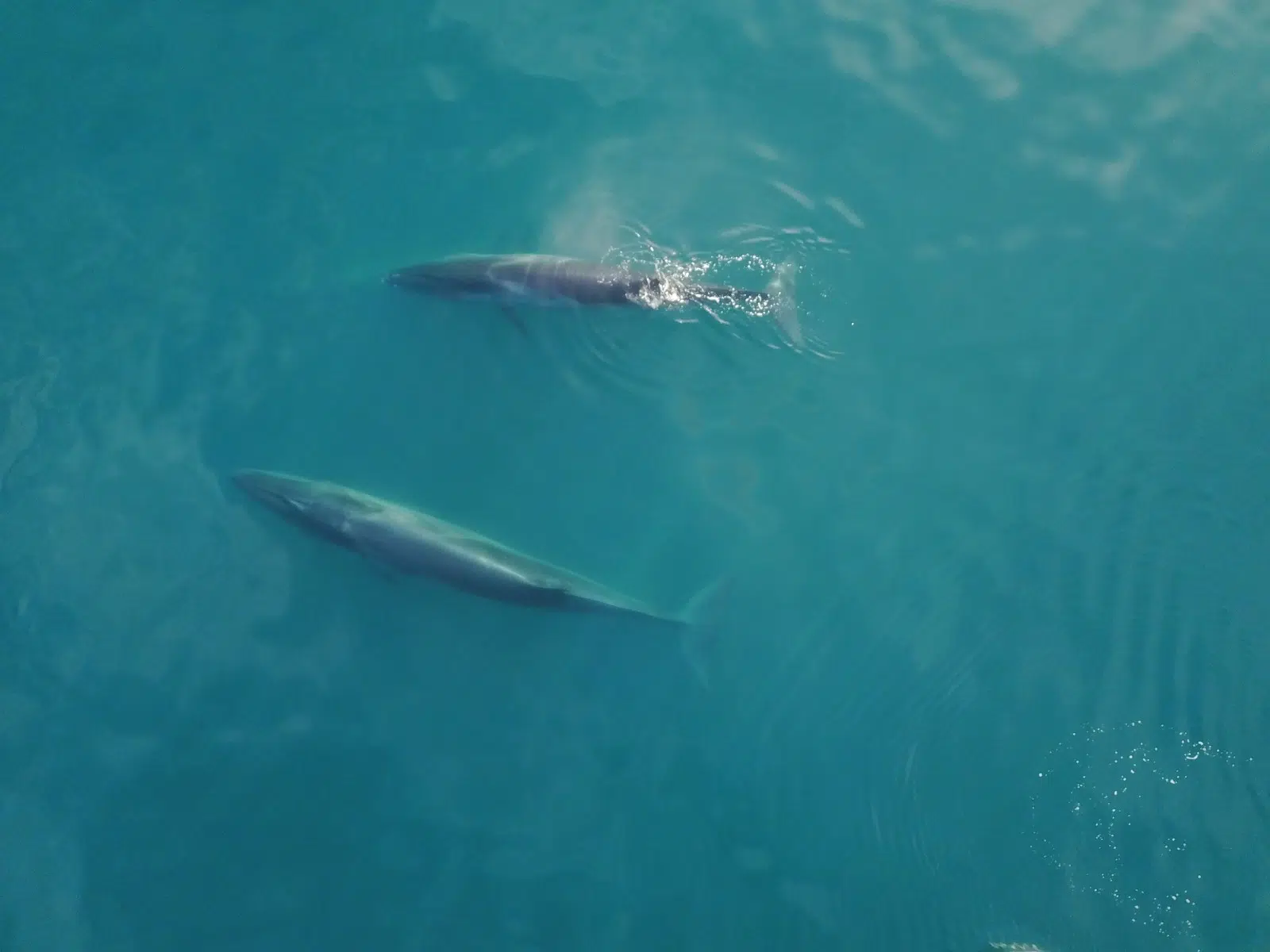
The sei whale: protagonist of ecotourism
The Golfo San Jorge has become the stage for a world milestone: the sustained presence of the sei whale, the third largest species on the planet and the fastest in the oceans.
- Comodoro Rivadavia is now the only place in the world where it can be observed so closely from tourist boats.
- The experience combines science and adventure, establishing the city as the epicenter of nautical tourism.
- Activities such as diving and snorkeling with sea lions in macroalgae forests will be added.
This scientific and tourist phenomenon positions Patagonia Azul as an international-scale destination.
Tourist and social impact
The Ruta Patagonia Azul has transformed the dynamics of tourism in the region:
- Independent travelers and small groups interested in conservation, photography, and hiking predominate.
- The flow of visitors is distributed throughout the year, breaking the traditional seasonality.
- It generates a direct economic impact on hospitality, gastronomy, specialized guides, and local businesses.
The articulation between municipalities avoids competition and fosters cooperation, ensuring that each locality contributes its uniqueness to the route.
The Ruta Patagonia Azul reveals a Chubut coastline that for decades remained in the background compared to the mountain range.
Today, with its reddish cliffs, fossil forests, and the unique presence of the sei whale, it is established as a tourist and scientific corridor of international scale, capable of surprising those who dare to explore the wild vastness of the Patagonian Atlantic.


