



There is no way to avoid microplastics from reaching the human body. Whether it’s in food and its packaging, in our homes, furniture, and clothing, or even in our environment.
Plastics also affect our health in ways we are just beginning to understand. That’s why there are some ways to consciously avoid consuming them.
What are microplastics
- Plastic waste degradation
- Synthetic clothing washing
- Tire abrasion
- Intentional incorporation of microbeads in personal care products
Microplastics and nanoplastics (incredibly tiny plastic fragments that detach from larger products) have made their way into many tissues of our body, including the brain, reproductive organs (both male and female), and the cardiovascular system.
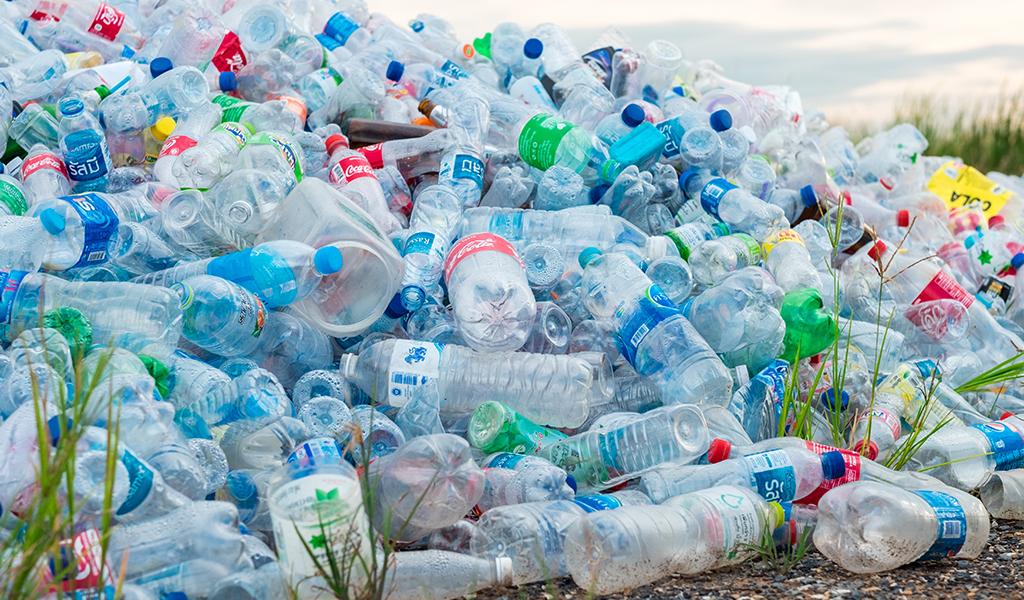 How microplastics are formed.
Some ways to reduce contact with microplastics
- Avoid canned foods: although bisphenol A (BPA), a chemical substance commonly used in the lining of many cans, lids, and metal caps for food and beverages is no longer present in most product packaging, industry data shows that it is still being used in 5% of cases, possibly more.
-
Keep plastic containers away from heat and aggressive cleaners
<li data-editable="text" data-uri="es.cms.cnn.com/_components/subheader/instances/cm4hoz966001i356mq6sab02


