



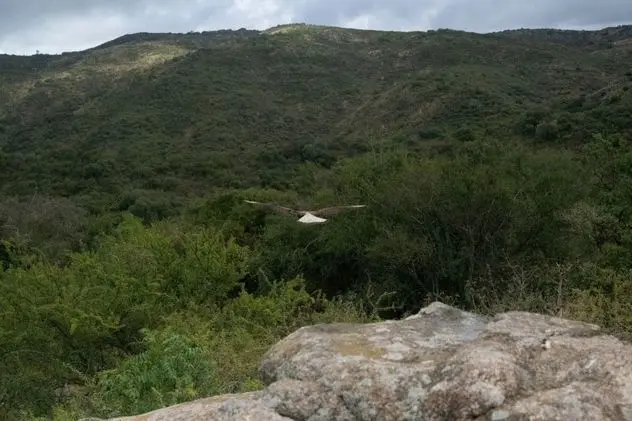
The recovery of wildlife added a new chapter in Córdoba with the release of 20 native birds in the Colanchanga area, a native forest area located in the Sierras Chicas, 11.4 kilometers from the provincial capital.
The initiative was jointly promoted by the Biodiversity Park and the Environmental Police of the Province of Córdoba, as part of actions aimed at protecting local fauna and strengthening the conservation of mountain ecosystems.
In addition to representing an opportunity for the animals to regain their life in freedom, the activity contributes to restoring essential ecological functions in environments facing pressures from habitat loss and illegal species capture.
Back in their home
Among the released specimens were seven mistos, two goldfinches, two red-crested cardinals, two blue-black grassquits, and two collared seedeaters. Additionally, individuals of caracara, alicucú, golden-billed saltator, black-headed bird, and orange-headed tanager returned to their natural environment.
The choice of Colanchanga was due to its favorable environmental conditions, as it preserves native forest sectors capable of providing food, shelter, and suitable spaces for the reproduction of these species.
Moreover, the presence of relatively conserved environments increases the possibilities of adaptation and survival of the birds once the rehabilitation process is completed.
A specialized rescue and recovery process
Most of the specimens had been previously rescued by the Environmental Police after suffering injuries, captivity situations, or episodes related to illegal wildlife trafficking.
Subsequently, the birds were transferred to the Wildlife Rescue Center, where they underwent a quarantine period aimed at assessing their health status and preventing the spread of diseases.
Then, they began a stage of comprehensive rehabilitation focused both on physical recovery and on the readaptation of behaviors essential for surviving in the wild.
Throughout the process, veterinarians, biologists, and caregivers conducted continuous monitoring to determine when each individual was ready to return to their natural environment. Thanks to this interdisciplinary work, the specimens were able to recover fundamental skills related to feeding, flying, and interacting with their environment.
The importance of reintroducing animals to their natural habitat
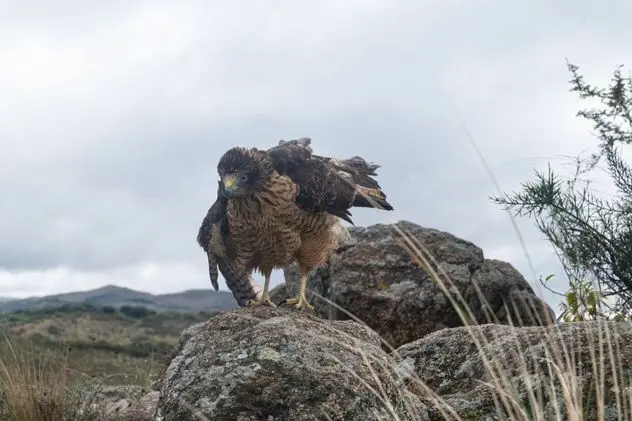
The release of rehabilitated wildlife is a key tool for conserving biodiversity and strengthening wild populations affected by human activities.
Additionally, many birds perform essential ecological functions such as seed dispersal, insect control, and pollination, processes that favor the regeneration of ecosystems.
When these species return to the forest, they help to maintain the natural balance and improve the resilience of environments against environmental changes.
Moreover, reintroductions help to partially compensate for the losses caused by illegal trafficking, one of the main threats to numerous native species in Argentina. Additionally, these programs generate valuable scientific information on behavior, survival, and adaptation, allowing for the improvement of future conservation strategies.
Conservation and collective commitment
The release in the Sierras Chicas reaffirms the coordinated work between organizations dedicated to environmental protection and wildlife rescue.
At the same time, these actions highlight the importance of conserving the remnants of native forest that still exist in Córdoba, fundamental for the maintenance of regional biodiversity.
Finally, the authorities emphasized that the effective protection of fauna also requires citizen commitment, avoiding the capture of wild animals and reporting illegal activities that threaten the natural wealth of the province.



