



On the Russian island of Kolyuchin, in the Chukotka Sea, a group of polar bears turned an abandoned polar station into their unexpected refuge. Images captured by drones during a scientific expedition show the animals exploring dilapidated houses and warehouses, using the structures as protection against the wind and snow.
The scientific base was closed in the early 1990s, after the fall of the Soviet Union, and since then, nature gradually reclaimed the space. Currently, the remains of the station serve as an improvised shelter for the Arctic’s largest predators, who find refuge there in an increasingly changing environment.
Near the station, there is also a large colony of walruses, which explains the constant presence of bears in the area. The island, located off the northeastern coast of Russia, has become a key point for studying Arctic fauna and the adaptations that wildlife develops in response to new environmental pressures.
This phenomenon is not isolated. In different parts of the Arctic, polar bears use abandoned human shelters as a strategy to seek refuge, a trend that seems to intensify as melting advances.

An Adaptation and Risk Scenario
The use of these abandoned infrastructures creates risky situations for both animals and for researchers and explorers who still visit the region. Many active bases have implemented preventive measures, such as barriers on windows or deterrent planks on doors, to prevent accidents without harming the bears.
The forced coexistence between fauna and human remains reflects the vulnerability of a species that depends on sea ice for hunting. With the reduction of these platforms, bears are forced to approach the coast and, consequently, the remnants of human presence.
The phenomenon also reopens the debate on the need for policies that reduce the abandonment footprint in the Arctic and strengthen conservation efforts, mitigating the attraction of animals towards infrastructures not designed for them.
The Conservation Status of the Polar Bear
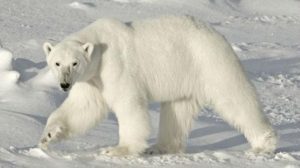
The polar bear is classified as a vulnerable species by the International Union for Conservation of Nature (IUCN). The main threat it faces is habitat loss due to the retreat of sea ice, which limits its hunting opportunities and reduces access to seals, its primary food source.
Climate change has accelerated the decline of ice in the Arctic, forcing bears to travel increasingly longer distances in search of food and shelter. This situation increases the mortality of young individuals and reduces reproduction rates, putting the long-term viability of populations at risk.
Occupying abandoned human infrastructures, such as the Kolyuchin station, is a symptom of this environmental pressure. While it provides immediate shelter, it does not solve the root of the problem: the disappearance of their natural habitat.
A Species That Relies on Humans
The conservation of the polar bear requires global actions against climate change and local protection strategies. This includes reducing greenhouse gas emissions and responsibly managing abandoned spaces in the Arctic to minimize risks and support peaceful coexistence with wildlife.
The images shared from the island not only showcase a visual curiosity but also highlight the urgent need to rethink our relationship with the environment. In them, the bears embody the resilience of nature, but also the fragility of an ecosystem that is on the front lines of the climate crisis.


