



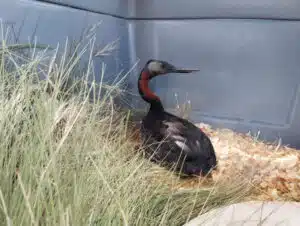
A large macaw was released at the La Florida Dam in San Luis, after being found disoriented at the UPRO headquarters in the Serranías Puntanas neighborhood. The bird was rescued and relocated by the Ministry of Environment and Sustainable Development of the province.
After a medical examination by the Wildlife Conservation Center (CCVS) team, it was determined that the macaw did not have any injuries or physical impairments. Therefore, it was considered fit to return to nature without further delays.
The operation is part of a sustained program of wildlife recovery, which includes monitoring, quarantine, rehabilitation, and release of rescued specimens in urban environments or areas with environmental conflicts.
The reintroduction was carried out in an environment suitable for its species, where it can reintegrate without risks and continue its life in freedom.
A species adapted to water
The large macaw, also known as “huala,” is a sociable water bird and a good swimmer. It inhabits lagoons, reservoirs, and freshwater bodies, where it feeds by diving.
This species undergoes a remarkable change in its plumage during the breeding season, becoming more colorful. Its chicks are born with the ability to swim and dive almost immediately, giving them an advantage in their development.
It is a bird with a wide distribution in southern South America, highly adapted to lacustrine environments and considered a good indicator of the health of aquatic ecosystems.
Progress in other rescued species
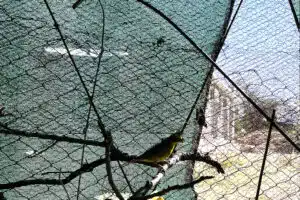
In addition to the huala case, the CCVS reported that two yellow cardinal specimens and a black-capped warbling-finch have moved from quarantine to intermediate enclosures for muscle recovery.
The yellow cardinal is a species categorized as endangered, and its rehabilitation requires a more delicate and controlled process. The black-capped warbling-finch, on the other hand, continues to respond positively to treatment.
These steps are essential to ensure a successful future release, respecting the timing of each species and ensuring their effective reintegration into nature.



