



The situation of the carpinchos in Nordelta, in the northern area of the Buenos Aires metropolitan area, is once again sparking controversy. Many residents report that the young animals cannot leave the water, putting their survival at risk.
The conflict intensifies during the birthing season of these animals. According to reports, this is due to the installation of sheet piling and the lack of ramps for access to the lagoons.
Carpinchos in Nordelta: a new chapter in the conflict with urbanization
The carpinchos, native to the Delta del Tigre, inhabit an area that is their natural habitat and has been altered by urban development. While some residents criticize the presence of the animals, others defend their right to live in the area.
This situation has been recurring for years and has recently added a new chapter of conflict. Silvia Soto, a local resident, explained to Cadena 3 that the problem is due to the installation of sheet piling on the edges of the lagoons, preventing the animals’ access to land.
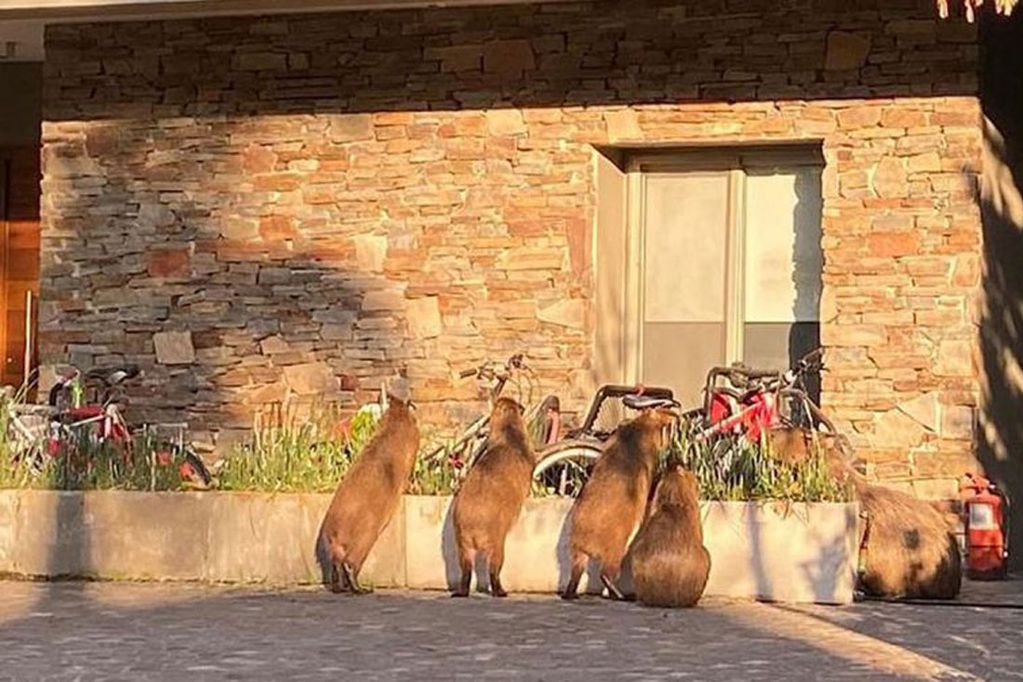 Carpinchos in Nordelta and a new chapter of controversy.
Despite a group of residents organizing to donate a ramp that would facilitate crossing, the Nordelta administration rejected the initiative. Soto stated that the fundraising was successful, with support from people both inside and outside the area.
“Common sense attributes blame to humans who invaded the natural habitat of the species,” Soto pointed out, highlighting that the issue is a clear example of the conflict between urban development and conservation of the local wildlife.
This issue is not new and worsens as human intervention continues. Soto lamented the situation and believed that a simple measure could solve the problem. However, the community now hopes that the Nordelta administration will reconsider the residents’ proposal to protect the carpinchos.
Carpinchos in Nordelta: the official measure reopening the environmental debate
Recently, in July, after a meeting between the Secretary of Tourism, Environment, and Sports of the Nation and representatives of the Nordelta Neighborhood Association (AVN), it was decided to proceed with a relocation plan to an island in the Paraná Delta.
The pilot program, originally scheduled for the end of August, would involve the relocation of three families of carpinchos, about 70 individuals, to a 60-hectare reserve. The costs of the operation will be covered by the AVN, who justified the measure by stating that 43 individuals were run over and killed in the first half of 2025.
 What happens with the carpinchos in Nordelta.
Additionally, the implementation of a population control program through contraceptive vaccines was announced, to be administered with darts and managed with SENASA authorization. This less invasive alternative to capture aims to mitigate uncontrolled reproduction.
However, environmental and animal rights organizations expressed their rejection of the vaccination and relocation, warning about possible consequences. This decision once again highlights the tension between urban development and the conservation of wildlife.


