



After more than two decades without sightings, a new species of glass frog has been discovered in the cloud forests of Ecuador.
It is the Hyalinobatrachium nouns, a fascinating type of amphibian, with translucent skin and bright green bones. It has just been officially described as a new species for science.
Ecuadorian and American researchers found it in the Amazonian province of Pastaza, a region of high biodiversity that continues to reveal unique species to the world.
New species of glass frog in Ecuador: what is this almost ghostly animal like?
With a body of only 2 centimeters, a completely translucent belly, this species belongs to the group of the so-called glass frogs (Centrolenidae).
It reveals internal organs such as the heart and digestive system, which is why it is so impressive. The skeletons are of an intense green color, and they are known for their delicate appearance and perfect camouflage.
The last visual record of a similar specimen dated back 25 years, but enough data had not been obtained to confirm its taxonomic classification.
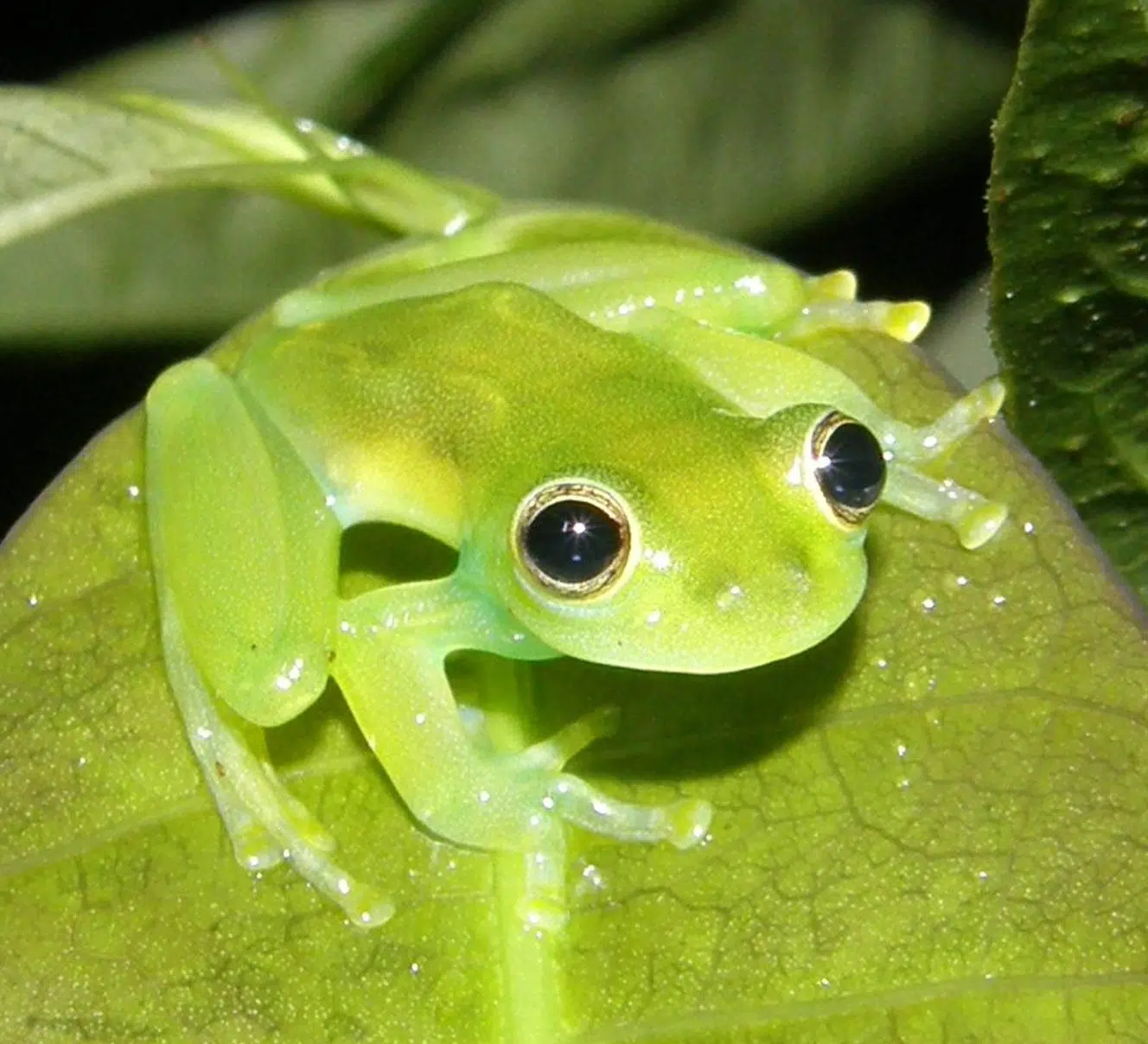 How amazing glass frogs are. (Photo: Wikipedia).
Thanks to a new specimen collected in 2022 and detailed morphological and genetic studies, it was confirmed that it was a completely new species for science.
Why is this discovery so important?
The discovery of Hyalinobatrachium nouns not only expands Ecuador’s species catalog but also reinforces the ecological importance of cloud forest.
It is a highly vulnerable ecosystem that harbors endangered endemic species.
“This type of discovery is fundamental to strengthen conservation efforts. Each newly identified species gives us more reasons to protect their habitats,” said the authors of the study published in the scientific journal ZooKeys.
Furthermore, the study describes unique aspects of their reproductive behavior. The males carefully guard the eggs attached to leaves over rivers, highlighting the complexity of survival strategies in these microenvironments.
Technology, science, and conservation: a key alliance
The research was driven by scientific and technological foundations, including the support of Nouns DAO, a decentralized organization linked to the world of cryptocurrencies, which funded part of the fieldwork.
The name of the new species, Hyalinobatrachium nouns, pays tribute to that collaboration between science and technology for conservation.
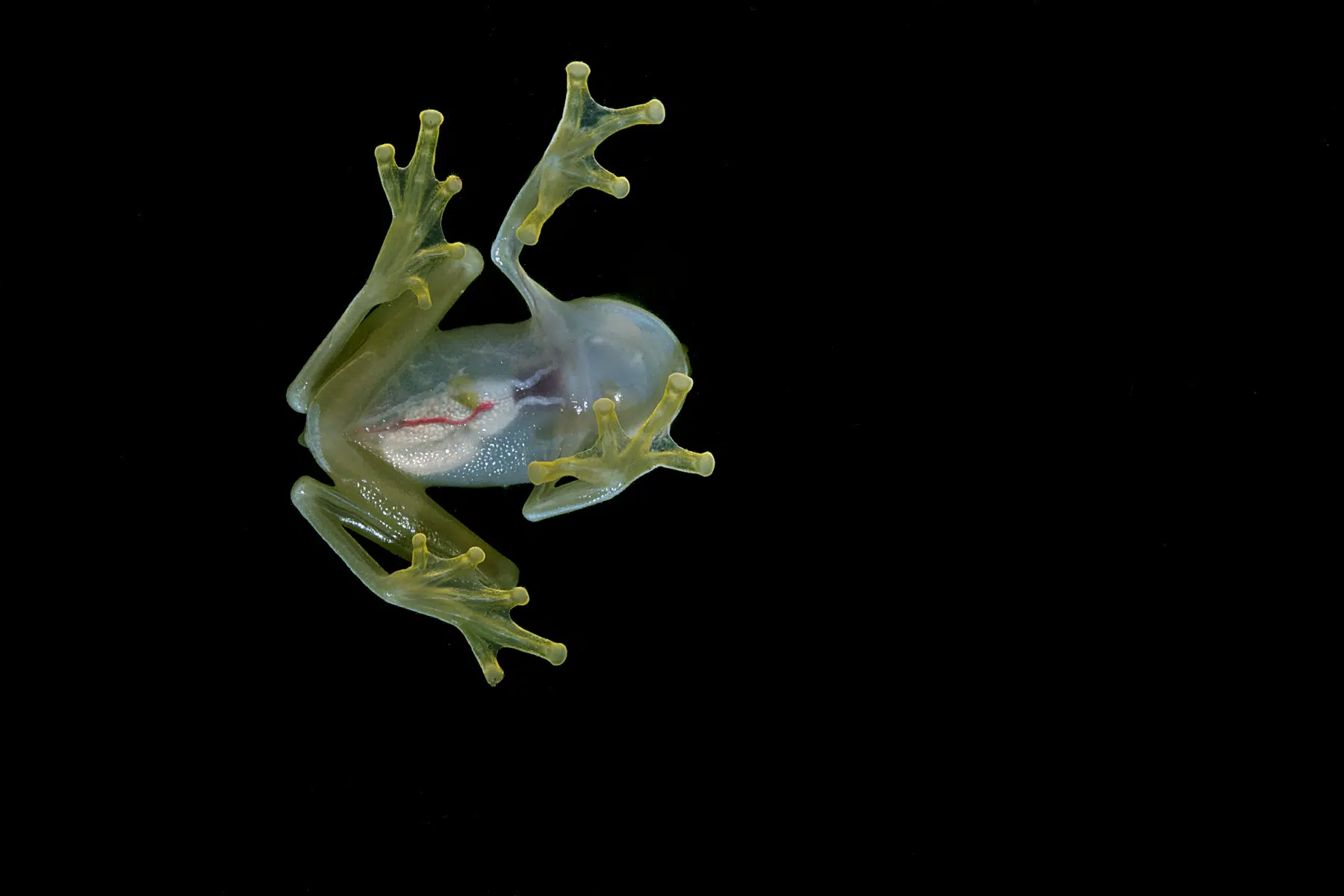 Glass frogs revealing their organs and skeletons. (Photo: Wikipedia).
Although the discovery is a cause for celebration, it also poses challenges: many glass frogs are threatened by habitat loss, water pollution, emerging diseases, and climate change.
Latin America holds the greatest amphibian diversity on the planet, but it is also one of the regions with the highest extinction rates for this group.
The reappearance and classification of this frog in Ecuador is, at the same time, a call to action on the urgent need to protect ecosystems like the Andean-Amazonian cloud forest.



