



Although insects are often unnoticed, their disappearance is leaving a deep impact on ecosystems. Research led by Keith Sockman, a biology professor at the University of North Carolina-Chapel Hill, revealed an alarming decrease in the abundance of flying insects in a subalpine meadow in Colorado, monitored over 15 seasons between 2004 and 2024.
The site, with minimal human intervention and 38 years of meteorological data, showed an average annual decline of 6.6%, which amounts to a cumulative reduction of 72.4% over two decades.
Climate Change: The Silent Factor Affecting Even the Most Intact Ecosystems
The increase in summer temperatures appears as the main correlate of the decrease.
In contrast to previous studies focused on urban or agricultural areas, this research demonstrates that insect loss also occurs in natural areas, pointing to climate change as a structural cause.
Sockman warns that mountains, home to many endemic species, could lose their status as biological refuges if these trends become widespread.
“Even remote ecosystems are not immune. The magnitude of the biodiversity crisis is global,” emphasizes the researcher.
Invisible Services: The Essential Role of Flying Insects in Ecosystems
Pollinators, recyclers, pest controllers, and key links in the food chain.
Flying insects perform fundamental ecological functions:
- Pollination: enabling the reproduction of over 75% of food crops and most wild plants
- Pest control: regulating populations of harmful insects in crops and gardens
- Food source: essential for birds, bats, and other animals
- Decomposition: speeding up the recycling of organic matter and fertilizing the soil
- Seed dispersal: contributing to plant regeneration in multiple habitats
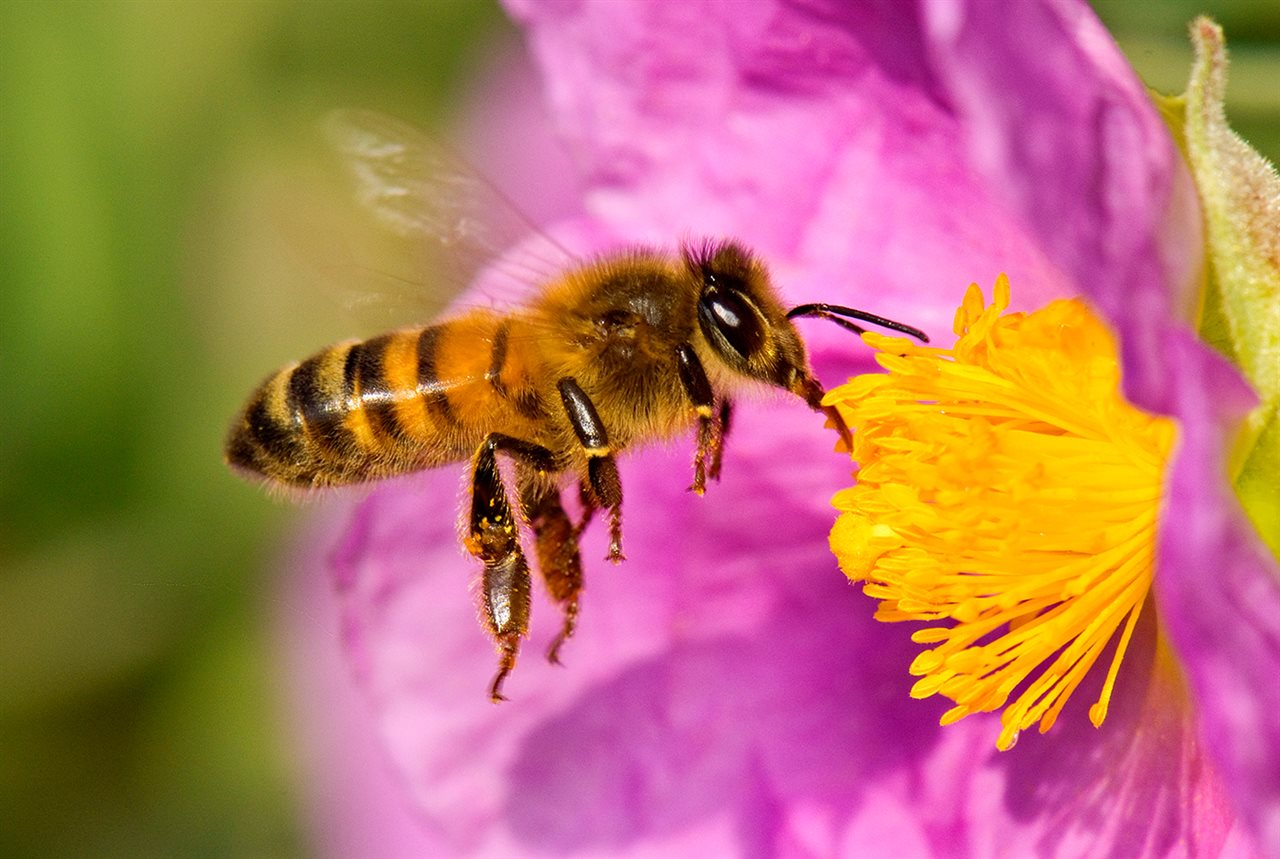 Concerns about the situation of flying insects
Ecological and Food Consequences of Their Disappearance
The loss of insects could destabilize ecosystems and compromise global food security.
The decline in these populations could lead to:
- Extinction of plant species dependent on pollinators
- Reduction in food production
- Alteration of food chains
- Decrease in soil fertility and ecosystem resilience
Scientific and Political Urgency: Monitoring, Protecting, and Restoring
The study published in the journal Ecology reinforces the need to expand monitoring and take concrete climate actions.
This research highlights the need for more thorough monitoring of insect populations in various landscapes and reinforces the urgency to tackle climate change. By demonstrating that even remote ecosystems are not immune, the study underscores the global magnitude of the biodiversity crisis.



