



A serious case of animal abuse that occurred in the Buenos Aires neighborhood of Recoleta against at least 16 cats has generated social outrage and once again exposed the limitations of Argentine legislation in the face of extreme acts of violence against animals.
The judicial case involves a 27-year-old man accused of obtaining cats through false adoptions to then subject them to situations of torture and death.
The accused, Adriel Santiago Caminos Ortega, originally from Santa Cruz, was reported by animal protection organizations, rescuers, and individuals who claim to have trusted him due to his apparent profile as an animal lover.
As the investigation progresses, the Justice system is already analyzing at least 16 episodes linked to animal cruelty. Additionally, the case file continues to incorporate new testimonies and complaints.

How the accused operated to obtain animals
According to the case, the man presented himself as a rescuer and used animal protection-related speeches to build trust in shelters and foster homes.
However, shortly after receiving the cats, contradictory explanations began to emerge about sudden illnesses, domestic accidents, or unexpected deaths of the adopted animals.
Suspicions grew as different cases began to repeat under similar patterns. As a result, animal protection organizations decided to file formal complaints and gather evidence to proceed legally.
The prosecution also argues that the psychological analyses included in the case file detected traits compatible with sadistic and violent behaviors, which deepened the concern among activists and specialists in animal welfare.
The case of Charlie and the social impact of the complaint
One of the most shocking episodes of the case involves a cat named Charlie, who lived in a home where the accused had been hired as a babysitter.
According to the complaint filed, the animal was allegedly brutally attacked in front of a minor. The investigation maintains that the child tried to intervene to defend his pet, although he was also allegedly threatened and assaulted.
The case provoked a strong public reaction and led to mobilizations by animal rights organizations in different parts of the country. The demands mainly aim to toughen the penalties provided by the Animal Cruelty Law 14.346.
Additionally, environmental and animal protection lawyers demand that animals be legally recognized as sentient beings within the Argentine legal system, with more effective judicial tools in the face of extreme violence situations.
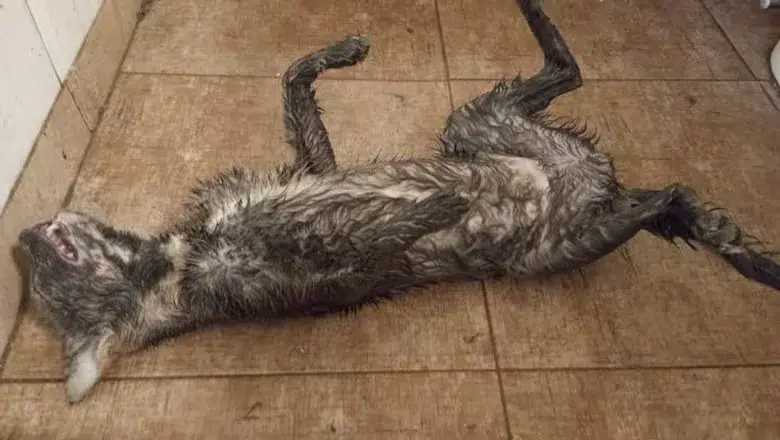
What penalties could be applied in a case of extreme animal cruelty
Currently, Law 14.346 establishes penalties ranging from 15 days to one year in prison for those who commit acts of animal abuse or cruelty. However, specialists consider that these sanctions are insufficient in the face of repeated or extremely violent cases.
Because the penalties are low, many crimes related to animal abuse are bailable. Therefore, animal protection organizations call for legislative reforms to allow for the application of more severe and effective sentences.
In cases like the one investigated in Recoleta, other complementary criminal figures could also be incorporated if there were threats, violence against minors, or psychological harm associated with the reported incidents.
Various judicial and environmental sectors also argue that the toughening of penalties could serve as a preventive tool to discourage situations of abandonment, abuse, and systematic violence against domestic animals.
Meanwhile, the case file continues to progress, and the prosecution seeks for the severity and number of reported episodes to result in an effective prison sentence.



