



At 37 years old, **Anthony Hensley** worked in an unusual job in **Chicago, United States**. His work involved scaring geese away from ornamental ponds by introducing swans and trained dogs. One day in 2012, while crossing an artificial lake in a kayak, he was **attacked by swans** defending **their nest**. The encounter ended tragically: Hensley drowned in the man-made pond. From there, the idea of what resistance would be in the Anthropocene era emerges.
This event revealed an uncomfortable truth: behind the ethereal appearance of many **animals**, powerful instincts lurk that emerge when they perceive threats. **Swans**, like many species, are **territorial and aggressive** when it comes to protecting their offspring. The incident highlighted the tension between human spaces and **wildlife**, increasingly forced to coexist in artificial settings.
The case fits into a larger context: the **Anthropocene**, an era marked by human influence on **ecosystems**. During this time, animals face unprecedented adaptation challenges. Some manage to integrate into urban environments, while others react with resistance. Coexistence becomes, therefore, a silent dispute between human expansion and the defense of **natural territory**.
The transformation of landscapes and habits not only changes the destiny of species but also alters their behaviors. What may seem like an excessive attack actually responds to the logic of **survival**. **Animal aggressiveness or rebellion** does not arise from chance but from adaptation forced by human presence.

### Others prefer not to stray so far
In this new map of relationships, some animals voluntarily approach humans. This is the case with dogs and other domesticated species, which have secured their subsistence thanks to the association with humans. However, others like **wild boars** in European cities find in urban waste an easier way of life, turning suburban areas into their new forests.
There are also those who use their cunning to challenge humans. **Ravens** that recognize faces, octopuses that sabotage laboratories, or birds that take advantage of urban materials to build their nests are **examples of a nature that adapts** to modernity in unusual ways. These behaviors are not just curiosities: they reflect the species’ ability to modify strategies in an environment dominated by humans.
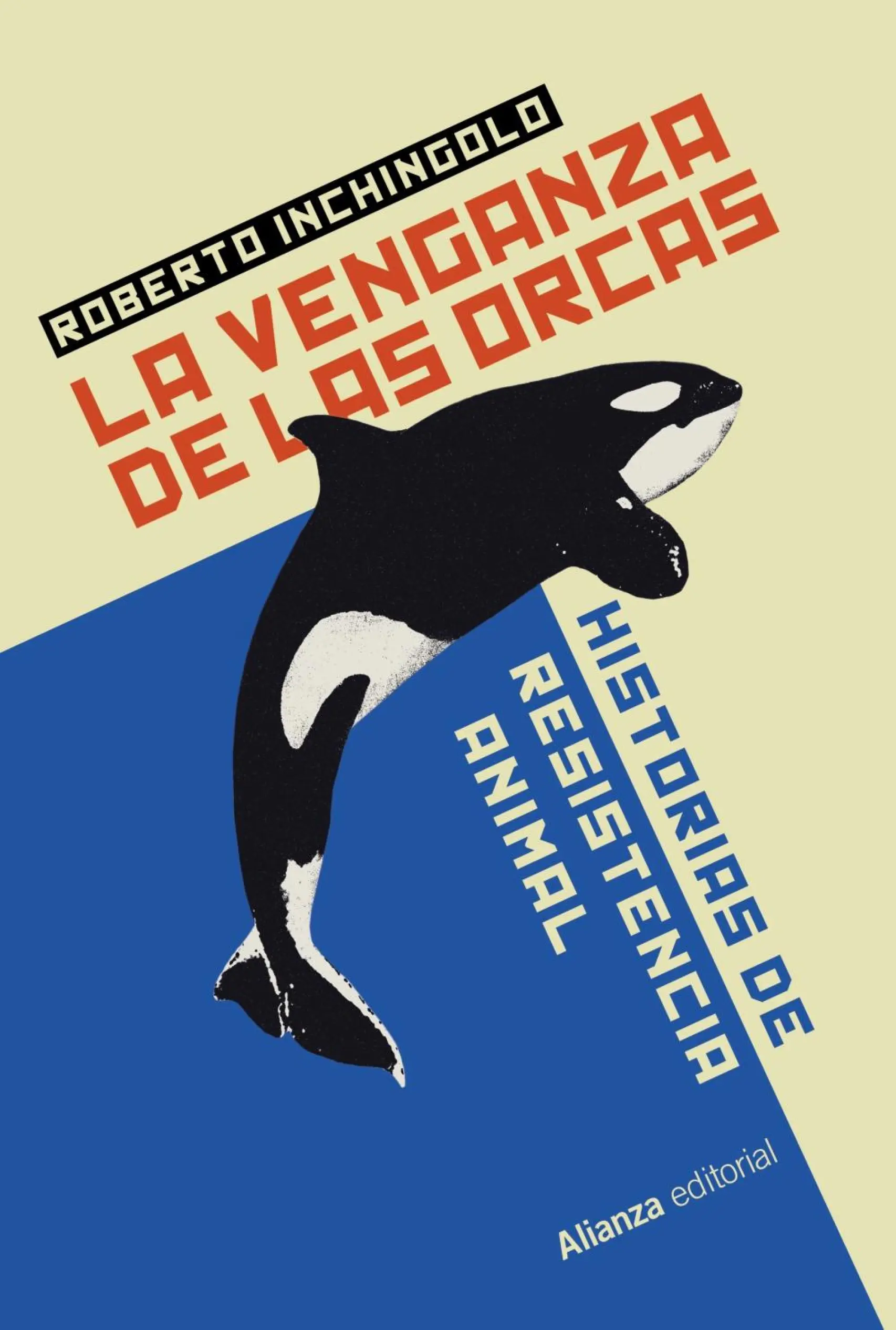
The most striking case is that of **orcas** attacking boats off the coasts of Spain and Portugal. Far from harming people, these maneuvers focus on **sinking or disabling ships**, seen as intruders in their territory. Learned and transmitted among groups, these behaviors are related to the lack of food and the increasing presence of boats. It is an **act of resistance** that exposes the tension between the sea as a natural habitat and as an economic resource.
Ultimately, **animal aggressiveness towards humans** should not be interpreted as irrationality but as a consequence of **an imbalanced world**. The Anthropocene confronts us with an uncomfortable mirror: every time we transform nature, we also alter the behavior of its inhabitants. What may seem like an unexpected rebellion is, in reality, a cry for survival.
### Why do animals show aggressive behaviors towards humans?
The aggressive behaviors of some species are largely explained by the **defense of territory** and resources. Animals like swans, geese, or wild boars perceive **human intrusion** as a **direct threat** to their living space. This reaction, far from being capricious, responds to **instinctive mechanisms** that ensure the protection of their offspring and the continuity of the species.
Another determining factor is the **loss of natural habitats**. As **ecosystems** are transformed into urbanized or agricultural areas, many species must adapt to living in territories modified by humans. In these scenarios, food sources, shelter, and security diminish, increasing competition and favoring more aggressive responses.
Intelligence also plays a key role. Birds like **ravens** and marine mammals like orcas exhibit behaviors that may seem “rebellious” but are actually **cognitive responses to a hostile environment**. These animals learn, transmit knowledge to their group, and respond in an organized manner when they identify a threat or competition for essential resources.


