



In northern Aveyron, France, the small municipality of Saint-Geniest-d’Olt et d’Aubrac made a key decision to protect its local biodiversity. The measure involves the temporary closure of a chapel that houses the largest colony of bats in the region.
The building, located in a wooded and quiet area, is the natural refuge of the Grand Rhinolophe, a species in critical conservation status. During the summer, the bats use this space for reproduction, so the measure aims to avoid any disturbance during this sensitive stage.
In recent years, bat populations in Europe have drastically declined. Among the main causes are habitat loss, the use of agrochemicals, and human encroachment in their resting areas.
Faced with this scenario, the municipality is committed to the active preservation of the colony, prioritizing their well-being over tourist or religious access to the site.

Monitoring and restoration to preserve the species
Protection is not limited to the closure of the building. Monitoring systems have been implemented through cameras and controlled traps that allow observing the bats without invading their space. This way, their activity can be monitored, their condition assessed, and vital data recorded for their conservation.
During the past year, over 50 bats died as a result of human disturbances at the site. This direct impact accelerated the decision to completely prevent access to the chapel during the breeding season.
The measure is part of a broader plan that involves the participation of entities such as the Ligue de Protection des Oiseaux (LPO) and the regional natural park of Aubrac. Both institutions constantly monitor the refuge conditions and its suitability to sustain wildlife.
A key species for ecological balance
The Grand Rhinolophe (Rhinolophus ferrumequinum) is a large bat characterized by its unique nasal structure in the shape of a horseshoe. This adaptation allows it to emit ultrasound to navigate and hunt with precision in the darkness.
It mainly feeds on nocturnal insects such as moths and beetles, naturally helping to control agricultural pests. Its role is fundamental for maintaining the balance of rural and forest ecosystems.
The species is protected by French and European regulations due to its high vulnerability. Its slow reproductive cycle —one offspring per year— makes it especially sensitive to any alteration in its environment.
By safeguarding their shelters, not only an iconic species is protected, but also the delicate ecological balance that supports the rest of the local fauna.
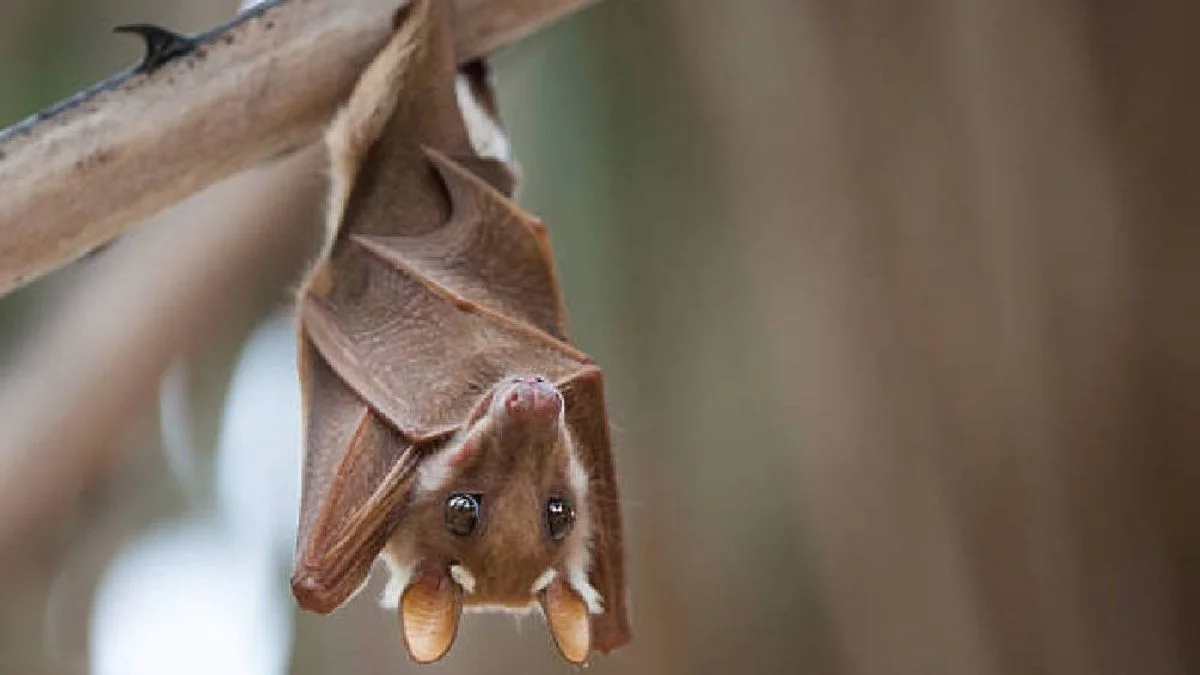 Colony of bats in a French chapel.
Conservation without giving up cultural access
For those who wish to explore the interior of the chapel without affecting the bats, a virtual tour has been developed. Through a QR code, visitors can access images and informative material from their mobile devices without the need to physically enter the site.
Although some residents express regret over the closure, they recognize the importance of prioritizing biodiversity. The actions taken aim to demonstrate that the conservation of the natural heritage can coexist with cultural interest, as long as the timings of wildlife are respected.
The initiative in Saint-Geniest-d’Olt et d’Aubrac sets a replicable example: a small community that, by protecting its bats, also preserves its environmental balance.



