



San Luis successfully carried out a wild bird rescue thanks to the joint work between the Secretariat of Environment and Sustainable Development and the Environmental Police.
Thus, they saved 18 specimens, who are currently recovering at a Wildlife Conservation Center.
There are nine purple queens (three males, six females), five woodpeckers, a female yellow cardinal, a female seven-colored tanager, a black-capped warbler, and a nunbird. The animals were seized thanks to an anonymous report.
How to collaborate in biodiversity conservation
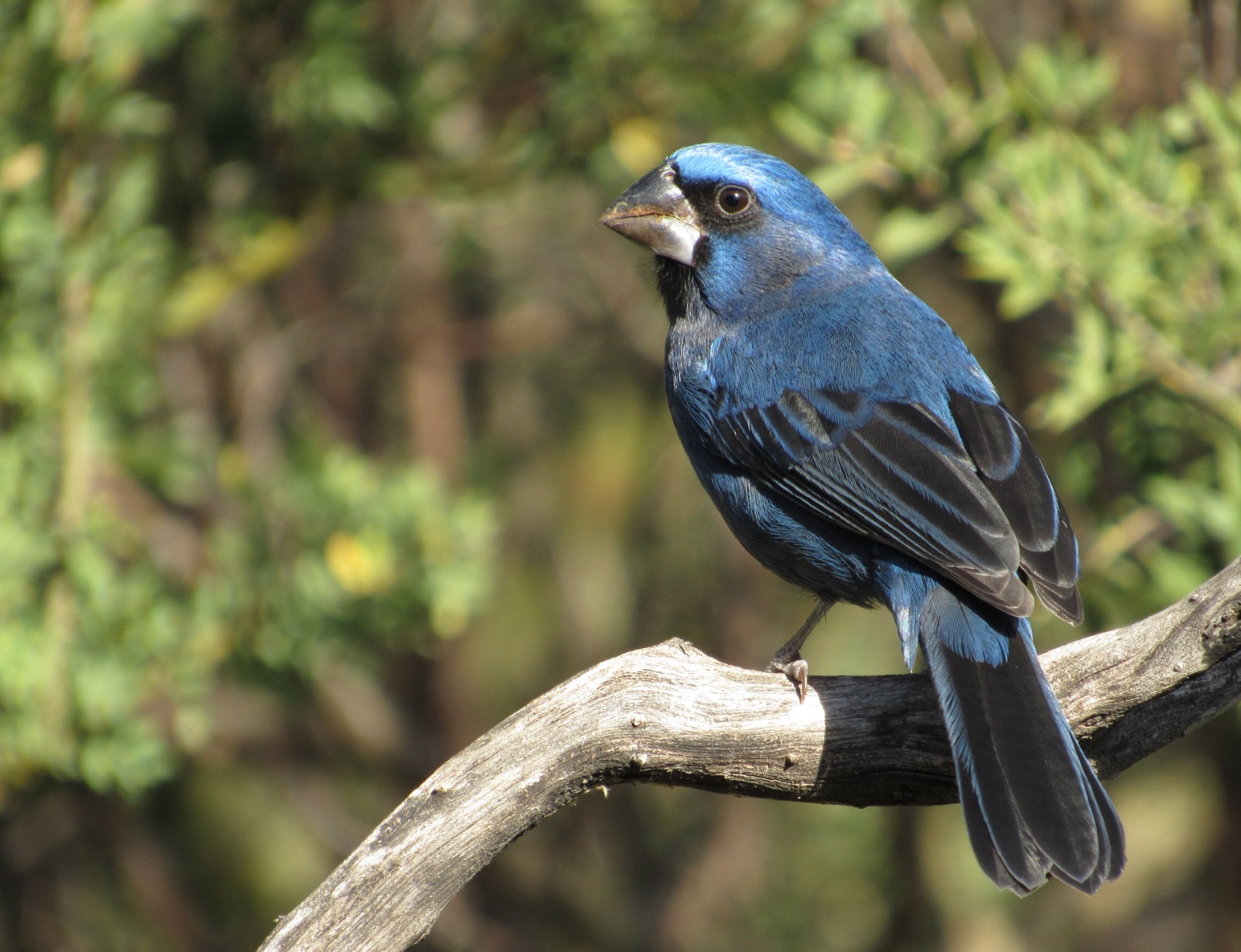 Bird Rescue in San Luis.
“Birds, with their charm and vitality, are species that share the environment, bringing color and melodies to everyday life,” authorities emphasized.
“Whether in parks, gardens, or native forests, observing them and listening to them sing can be a rewarding experience,” they added.
In this regard, they highlighted the central importance of providing them with a safe environment to live in. “The protection of the environment requires everyone’s support, so it is essential to contribute with common practices that guarantee the well-being of birds,” they pointed out.
Although they did not provide details about the situation of the rescued birds in this case, they confirmed that they are out of danger and receiving the necessary care.
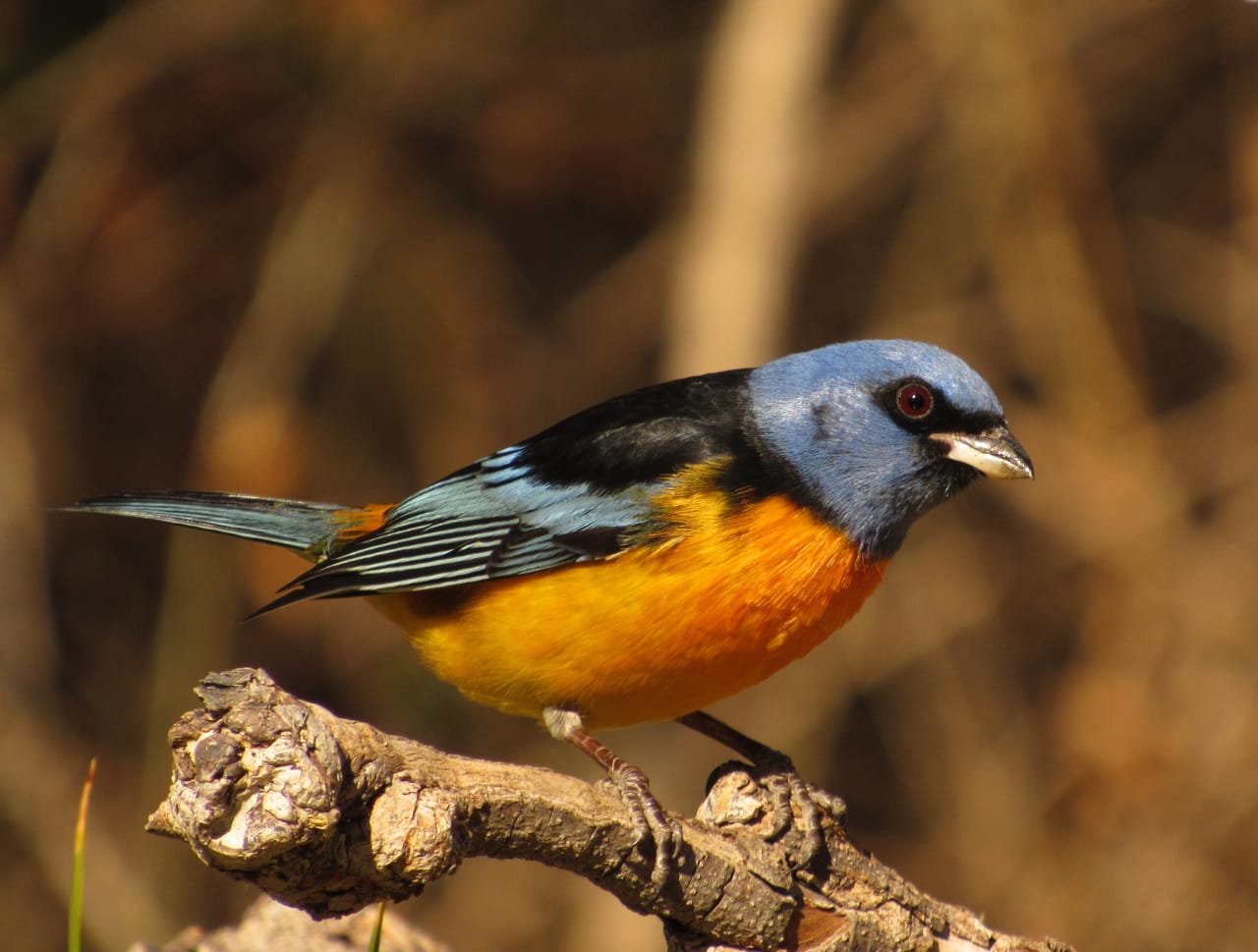 18 birds rescued.
Bird Rescue: how to report
Citizens’ commitment and participation are essential. The environmental department reminded that upon knowing of individuals who traffic or possess specimens illegally, they can report:
- By calling the Flora and Fauna department at phone number 2664-452000, extension 3372;
- Notify the Environmental Police at 911.
Rehabilitation and release in Córdoba
A similar episode took place in Córdoba not long ago. The Municipality released 13 native species that were in quarantine and rehabilitation at the Animal Rescue Center of the Biodiversity Park.
The specimens, in some cases, came from the illegal wildlife trade and arrived with different types of injuries. They were cured, rehabilitated, and reintegrated into their natural ecosystem.
Have you visited our YouTube channel yet? Subscribe now!


