



The World Wide Fund for Nature (WWF) Living Planet 2025 report reveals a 10% decrease in Canada’s biodiversity over the last 50 years.
The WWF presented its report Living Planet 2025, warning of a sustained decline in biodiversity in Canada.
Between 1970 and 2022, the country lost 10% of its biological wealth, and over half of the species evaluated. These include birds, fish, mammals, reptiles, and amphibians.
“Every species group is moving in the wrong direction,” warned WWF in its official statement.
Iconic species at risk: from the snowy owl to the North Atlantic right whale
Some populations are improving, but others face a 43% decline.
While certain species like sea otters show signs of recovery, others such as the snowy owl, the North Atlantic right whale, and the leatherback turtle have suffered drastic reductions, with drops of up to 43%.
This is the most severe decline ever recorded since WWF reports began, according to James Snider, vice president of the organization in Canada.
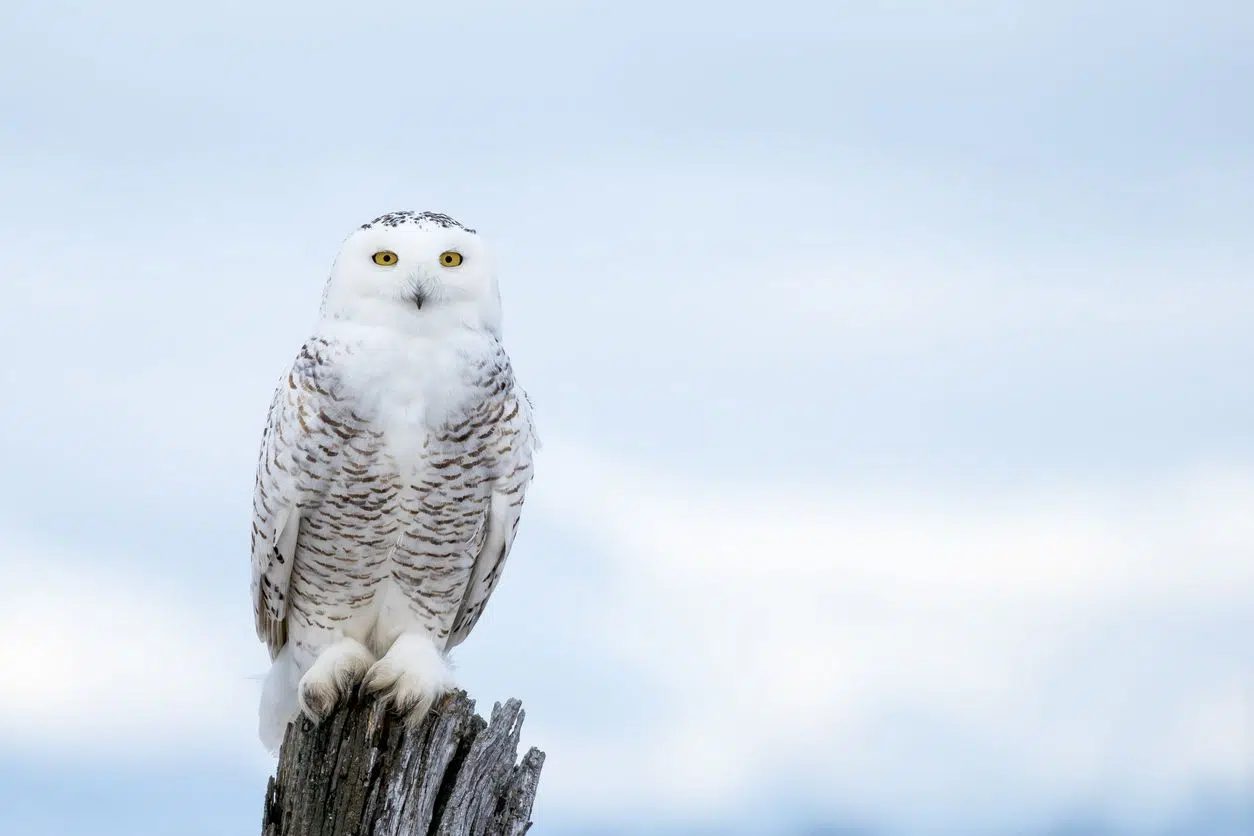 The snowy owl is one of the declining species in Canada
Vulnerable ecosystems: prairies suffer the greatest habitat loss
Agricultural expansion is the main driver of environmental degradation.
The report highlights that prairie habitats have decreased by 62%, while regions like the boreal forest, with lower human presence, show more moderate impacts.
Conservation expert Jessica Currie pointed out that habitat reduction, especially due to agricultural expansion, is one of the key factors in biodiversity loss.
International commitments and local actions: protecting 30% by 2030
Canada ratified the Global Biodiversity Framework at COP15 in Montreal.
In response to this crisis, Canada committed to protecting 30% of its lands and oceans, and restoring 30% of degraded areas by 2030. This aligns with the Global Biodiversity Framework signed at COP15.
Projects like reducing ship noise to protect whales on the west coast demonstrate that tangible action is possible and effective.
Biological wealth at risk: over 80,000 species identified
Canada hosts a unique diversity of flora and fauna that requires urgent protection.
The country possesses a wide variety of ecosystems. From boreal and temperate forests to tundras, prairies, and oceans, with over 80,000 registered species (and many yet to be identified).
Among them are polar bears, caribou, beavers, bison, and lynx, which are part of Canada’s natural heritage.


