



An alarming situation shakes Southampton, United States, following the appearance of hundreds of dead geese in a local pond. The incident raises health concerns.
Additionally, the focus is on Sagg Pond, within Sagaponack. There, the usual landscape was replaced by a disturbing scene.
As a result, local authorities activated emergency protocols. Likewise, a possible avian flu outbreak is being investigated.
Therefore, the episode highlights the vulnerability of ecosystems. It also exposes the risks associated with emerging diseases.
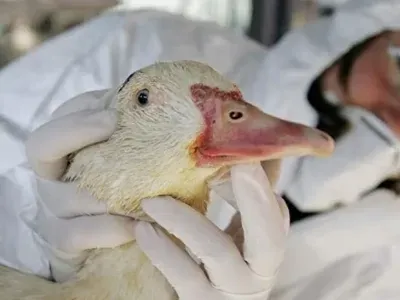
A suspected outbreak in a key natural environment
The case unfolds in Sagg Pond, a wetland of high ecological value. However, the accumulation of dead birds disrupts the natural balance.
Additionally, Sagaponack, known for its tranquil environment, now faces a critical scenario. Consequently, concern grows among residents.
Likewise, authorities suspect avian flu as the main cause. Therefore, studies are being conducted to confirm the diagnosis.
On the other hand, the volume of affected birds prompted a rapid intervention. Thus, efforts are being made to contain the possible spread.
Health risks and preventive measures
Authorities warn about dangers to humans and animals. In particular, contact with dead birds poses a risk.
Additionally, pets, especially dogs, may be affected. Consequently, it is recommended to avoid contaminated areas.
Furthermore, it is emphasized to not handle remains without protection. Therefore, prevention is key to reducing risks. Additionally, it is requested to report findings to official channels. This way, the health response is expedited.

Environmental impact and threat to biodiversity
The massive mortality affects the ecological balance of the area. Consequently, other species could be harmed.
Additionally, migratory birds can spread the virus. Therefore, there is a risk of expansion to other regions.
Moreover, wetlands perform vital functions in the ecosystem. However, events like this compromise their stability.
On the other hand, images of the place reflect the magnitude of the problem. Thus, social and environmental concern increases.
The dangers of avian flu and how to prevent its spread
Avian flu is an infectious disease that primarily affects birds. However, it can be transmitted to other species under certain conditions.
Additionally, its rapid spread is linked to migratory routes. Consequently, outbreaks can expand on a large scale.
Furthermore, contact with contaminated fluids or surfaces increases the risk. Therefore, avoiding direct exposure is essential.
Among the preventive measures are maintaining distance from wild birds, not touching sick animals, and reinforcing hygiene.
Finally, health surveillance and early response are essential. This way, the impact on public health and ecosystems can be reduced.



