



What seemed like a definitive absence turned into one of Africa’s most surprising stories: elephants have returned to eastern Zambia after more than 50 years.
For decades, poaching and territory fragmentation had erased these giants from forests and wetlands. Today, against all odds, they are once again traveling ancestral routes, reminding us that nature retains an ecological memory capable of reconstruction.
The Origin of the Return
The recovery began in 2022, when Malawi relocated 263 elephants from Liwonde National Park to Kasungu. The western border of this park remains open towards Zambia, allowing the animals to follow ancient corridors invisible to humans but etched in the species’ memory.
Between 2023 and 2026, sightings multiplied: entire communities observed herds of more than 50 individuals moving through agricultural fields and forests. For ecologists, this phenomenon represents the restoration of a historic ecological corridor between Malawi and Zambia, vital for genetic diversity and ecosystem resilience.
Ecosystem Engineers
Elephants are considered ecological engineers:
- They knock down trees and open clearings that benefit other species.
- They disperse seeds over long distances.
- They transform landscapes, maintaining biodiversity in balance.
Their return not only signifies the recovery of an emblematic species but also the revitalization of entire ecosystems.
Challenges for Communities
Coexistence is not easy. Elephants have begun to enter fields of corn, peanuts, sunflowers, and bananas, causing significant economic losses. What was initially met with excitement soon generated concern and fear. Close encounters pose real risks for both people and animals.
This scenario reminds us that conserving wildlife is not just about protecting species, but about finding sustainable ways of coexistence.
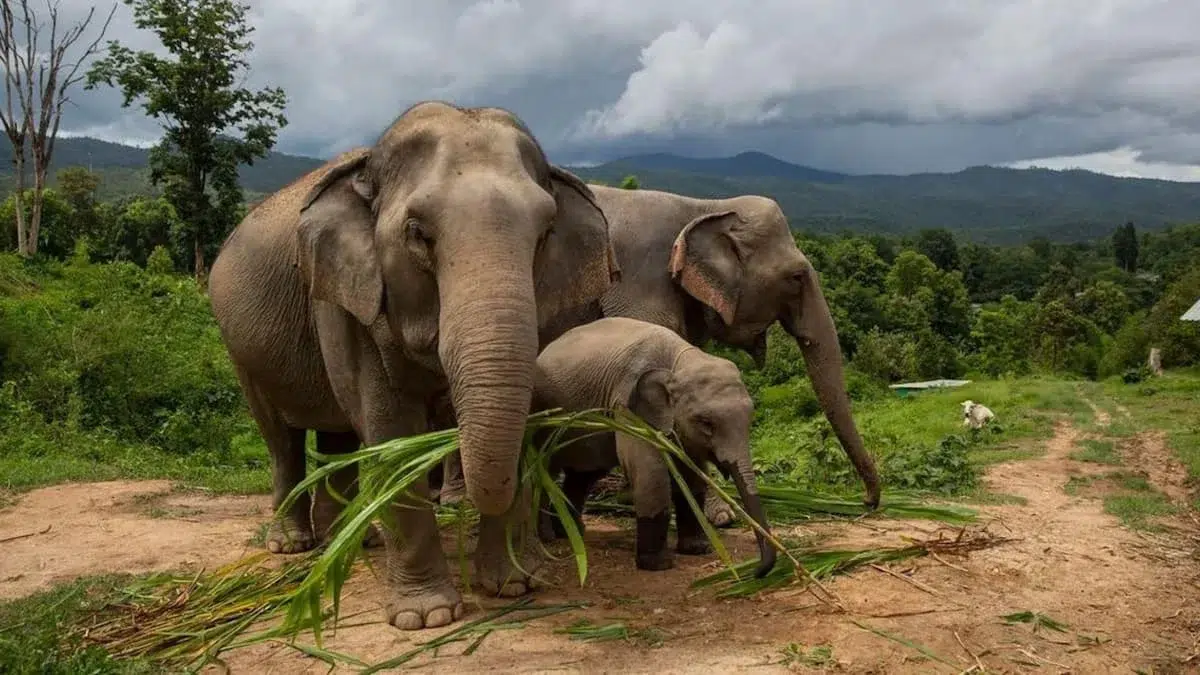
Mitigation Measures
To reduce conflicts, various strategies have been implemented:
- Satellite collars on leading elephants to monitor movements.
- Rapid response teams that alert communities and redirect herds.
- Solar electric fences to protect crops.
- Reinforced granaries that safeguard food against nighttime incursions.
Climatic and Social Context
Zambia faces a multiple crisis:
- More than 60% of the population lives below the poverty line.
- A third of children under five suffer developmental delays due to malnutrition.
- Severe droughts and extreme floods displace elephants from their migratory routes, intensifying clashes with rural communities.
According to the UNDP, the animals desperately seek water and food, causing economic losses and, at times, human deaths.
The return of elephants to Zambia is a story of resilience and international cooperation, but also a reminder of the challenges posed by coexistence between humans and wildlife. Conservation requires balancing species protection with the safety and livelihood of local communities.


