



A procedure in Salta allowed the rescue of specimens of wildlife transported illegally, consisting of five monkeys that were being transported in a merchandise box. The incident occurred near Puerto Chalanas.
Additionally, the operation was carried out by personnel from the “Agua Blanca” Section of Squadron 20 “Orán”, where an irregular situation was detected.
Therefore, the discovery activated animal protection protocols. Likewise, a judicial investigation was initiated.
In this context, the case once again puts on the agenda the wildlife trafficking. Thus, it reinforces the importance of the current legislation.
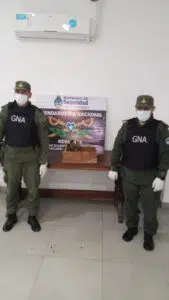
Discovery during a patrol and species rescue
During control tasks, agents identified a citizen with a suspicious box. Additionally, the package was wrapped with tape, so an inspection was conducted. Thus, the presence of five monkeys was discovered.
Furthermore, the specimens belonged to species such as Sapajus nigritus and Callithrix spp. Thus, their wild origin was confirmed. On the other hand, the animals were safeguarded. Consequently, their immediate protection was ensured.
Judicial intervention and recovery of the animals
The case was referred to the Decentralized Prosecutor’s Office of Orán. Additionally, actions were initiated for violation of the regulations. Consequently, the involved party was placed at the disposal of justice. Therefore, the investigation is progressing.
Furthermore, the animals were transferred to the Animal Protection Foundation “Patitas en la Calle“. Thus, their recovery is prioritized.
On the other hand, the goal is their reintegration into the natural habitat. Consequently, the aim is to restore the ecological balance.

Environmental impact of wildlife trafficking
The illegal trafficking severely affects biodiversity. Additionally, it reduces populations of vulnerable species. Consequently, ecosystems are altered, generating ecological imbalances.
Furthermore, the capture involves animal suffering. Thus, basic rights of wildlife are violated. On the other hand, this practice fosters illegal networks, aggravating the environmental problem.
Key aspects of the Wildlife Law and sanctions
The Law 22.421 regulates the protection of wildlife in Argentina. Additionally, it prohibits its capture, transport, and commercialization without authorization.
Therefore, it establishes conservation as a priority. Therefore, it seeks to preserve species and ecosystems. Furthermore, it includes state control over related activities and guarantees the responsible use of resources.
On the other hand, violations can lead to severe sanctions. Consequently, they include economic fines, confiscation of animals, and prison sentences depending on the severity.
Finally, the regulation acts as a key tool. Therefore, its compliance is essential to curb illegal trafficking and protect biodiversity.



