



In the Valle de Ascencio, within the Torres del Paine National Park in Chile, the huemules are in critical danger of extinction. The hippocamelus bisulcus, an endemic deer of the southern Andes, has seen a drastic reduction in its historical distribution, which ranged from the Metropolitan Region to the southernmost tip.
Today, the last groups survive in scattered remnants, such as the Ñuble National Reserve, where barely a dozen individuals resist.
The main threats include:
- Habitat fragmentation due to urban development and agriculture
- Attacks by dogs and poaching
- Plantations of exotic species like pines and eucalyptus
- Infectious diseases transmitted by livestock
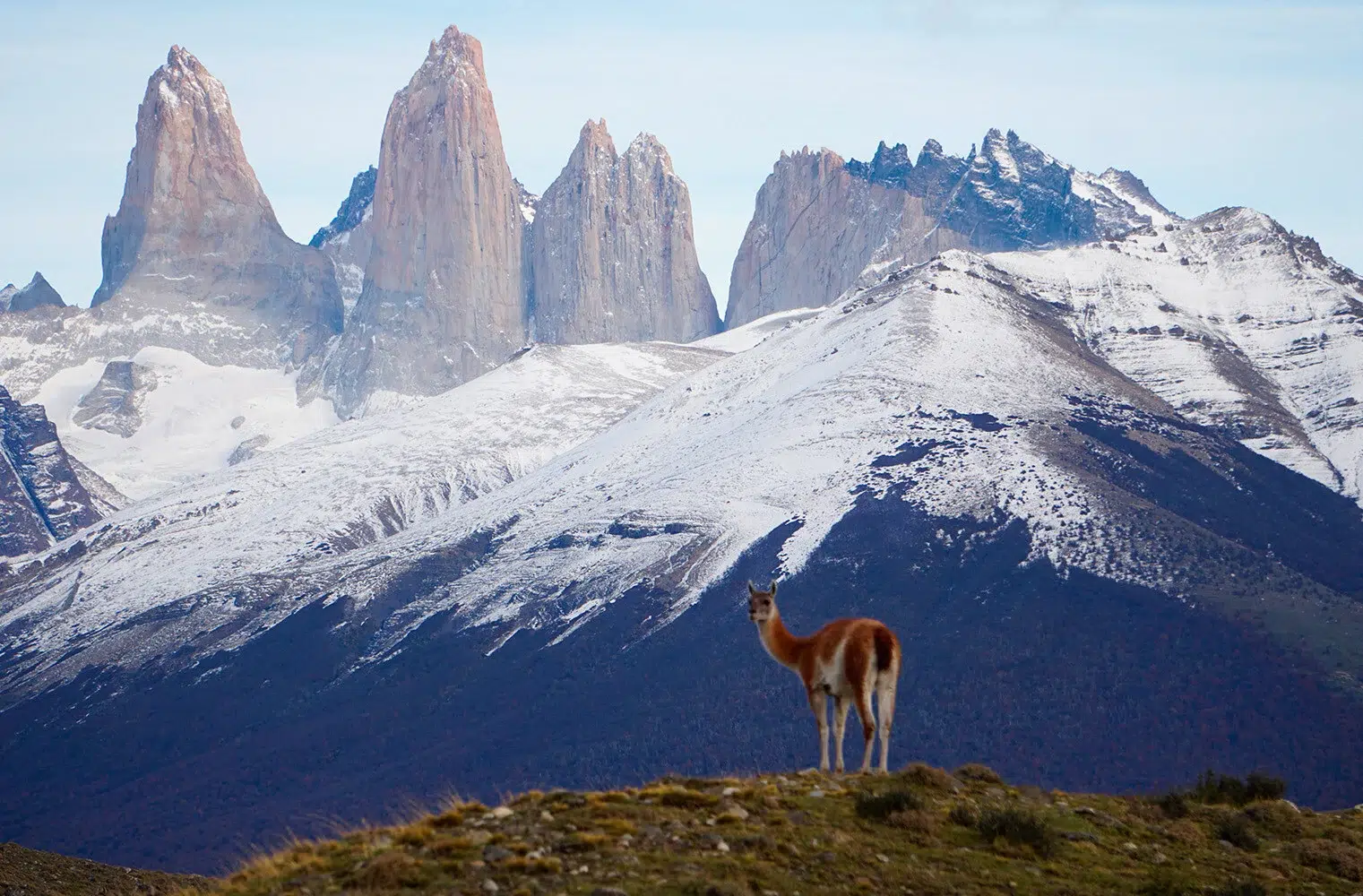
Las Torres Camp: monitoring and shelter for the last huemules
Park rangers closely monitor the four specimens that inhabit the Valle de Ascencio.
In the heart of the park, the Las Torres Camp, recently renovated with the support of the GORE, allows CONAF park rangers to monitor the huemules throughout the year. There live:
- A family of three huemules, including a young female
- Aukin, the solitary male who avoids human contact
During the summer, some specimens timidly approach areas frequented by tourists, creating unique observation moments. Park rangers carry out:
- Monitoring with trap cameras
- Capture and sedation for health analysis
- Semi-annual censuses to estimate the population
How many huemules are in Torres del Paine?
Official figures speak of 20, but experts estimate up to 45 specimens displaced towards peri-glacial areas
Retired park ranger Carlos Barría, a reference in huemul conservation, maintains that the population has not decreased, but has moved to quieter areas outside the park due to:
- Entry of cattle
- Presence of wild animals
- Food competition in traditional areas
Huemules can still be observed in areas such as Lago Grey, Pingo River Valley, and French Valley, although with decreasing frequency.
Patagonia: an immense and silent refuge
Aysén and Magallanes cover a third of the country, but only concentrate 1.6% of the national population.
Chilean Patagonia is a maze of fjords, glaciers, virgin forests, and remote islands, where the huemul seeks protection, food, and isolation. However, the dispersion of their groups generates endogamy problems, compromising their genetic viability.
Active conservation: finding to protect
Universities, foundations, and CONAF work on surveys to identify isolated populations
The key to the survival of the huemul lies in:
- Locating new groups in remote areas
- Avoiding inbreeding through genetic exchange
- Strengthening health surveillance and constant monitoring
“Finding them is the first step to conserving them,” state the field teams.
Cover photo: chileestuyo.cl


