



The week ends with a heatwave and alerts in different provinces due to high temperatures. In this regard, besides taking the necessary precautions to take care of your health, it is also essential to take care of your pets and keep them hydrated.
This is to, just like with humans, prevent heat strokes, cases of dehydration, and various health complications.
Dogs and cats are much more sensitive to heat than humans, as they have few sweat glands and cannot sweat like us.
Heatwave and Pets: How to Protect Them
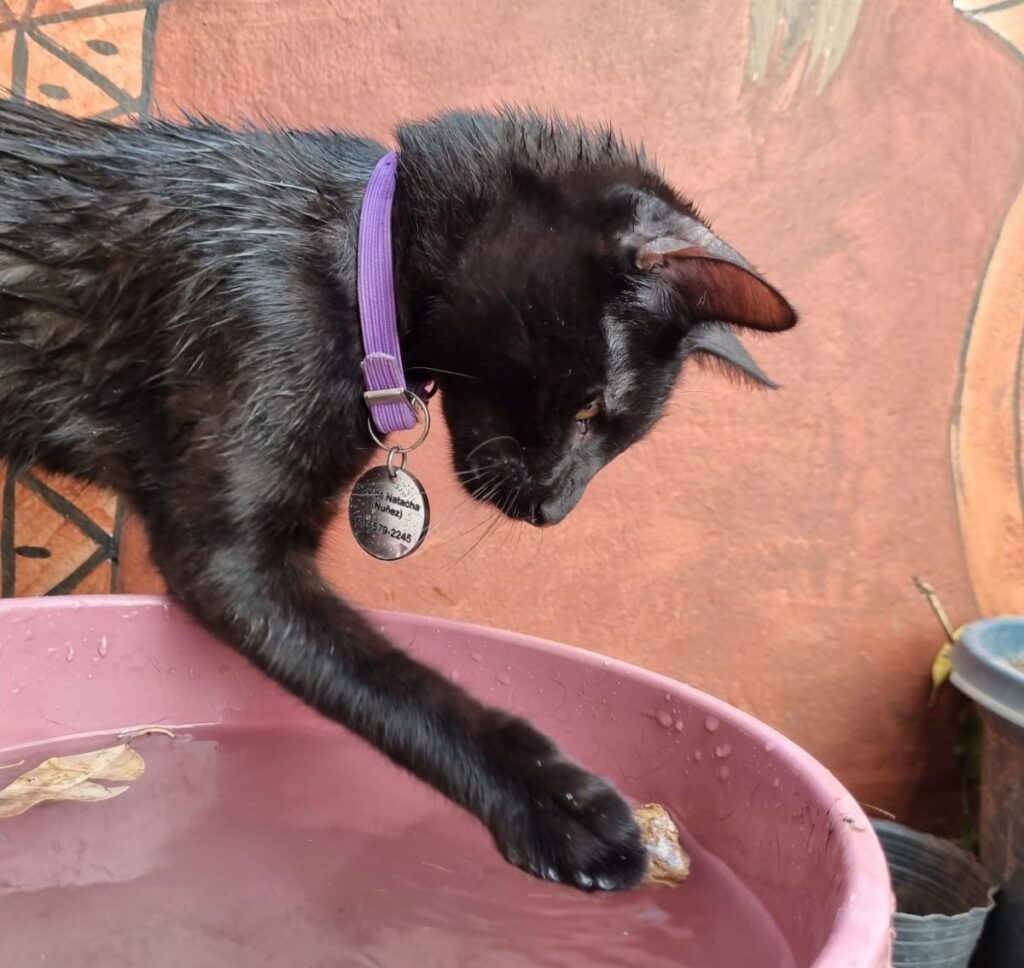 How to protect our cats and dogs from extreme heat. (Photo: GCBA).
The mentioned glands are only present in the footpads, therefore, they release heat mainly through panting and through direct contact of areas with lower hair density with cold surfaces.
In cats, grooming also helps lower the temperature by moistening their fur through licking.
That’s why they should also be protected from the sun in summer. There are some recommendations that can be followed to ensure proper care.
It is important to consider that dogs regulate body temperature with quite low efficiency compared to humans, as they do not lose heat through the skin and can only rely on breath to cool down. That’s why they are at risk of suffering from a heat stroke in extreme temperatures.
Factors that can cause a heat stroke in pets
The environmental conditions where the animal is located have a significant impact on the risk of suffering a heat stroke. Among these conditions are:
● Environments with high temperature and humidity.
● Confined and/or poorly ventilated spaces, such as the interior of a parked vehicle, a room, carrier, etc.
● Lack of fresh water available.
● Sun exposure.
In just 15 minutes, according to specialists, a dog or a cat can die inside a car. Sometimes, not even a quick intervention can prevent vascular problems, hemorrhages, or cerebral edema.
Tips to take care of your pets
- Avoid the strongest sun hours for walks: go out during the morning or once the sun goes down, and keep the walks short.
- Keep them hydrated: always provide fresh and clean water within their reach.
- It is recommended to use pet-safe sunscreen to protect them from the sun if available.
- Avoid excessive exercise or games that require a lot of physical effort: it is important to prevent them from getting too excited, as they will heat up without being aware of it.
- If they are in the yard or garden of your house, make sure they have a shaded area and a mat to lay on to avoid the heat from the ground.
- If they have a doghouse: make sure it is cool and ventilated at all times.
- During the hottest hours, moisten their belly or back with a little water, as these areas are the most sensitive to cooling. Alternatively, repeat this every period of time to ensure they stay fresh.
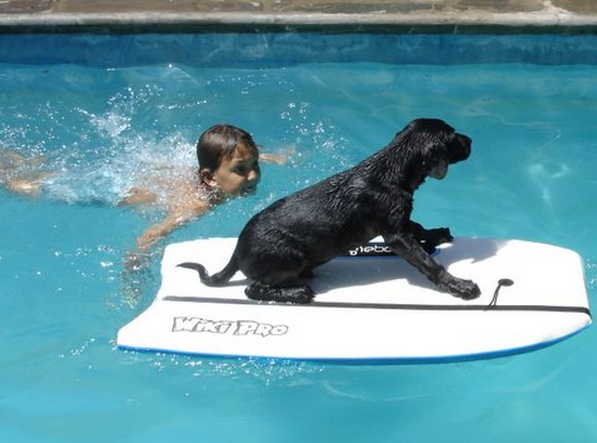 How to protect pets from heat.
How to tell if our dog or cat is suffering from a heat stroke
An animal showing the following symptoms could be suffering from a heat stroke.
● Increased body temperature.
● Muscle tremors.
● Excessive panting or difficulty breathing.
● Tachycardia.
● Drooling.
● Loss of appetite.
● Lethargy.
● Bluish mucous membranes (cyanosis).
● Seizures or neurological signs.
● Petechiae (red spots on the skin, like small bruises).
● Vomiting and diarrhea, which can be bloody.
● Dehydration.
In these cases, seek immediate veterinary attention. In the meantime, keep the animal wet with room temperature water.
Do you already know our YouTube channel? Subscribe!


