



The Lanín National Park has given a new boost to the Huemul Project with the creation of a Huemul Acclimatization Center, infrastructure considered fundamental for the recovery of this endangered species.
The arrival of Newenche, a huemul that crossed the mountain range from Chile in February 2025, marked a milestone: it was the first specimen seen in the area after 30 years. Its presence opened the door to a binational agreement to conserve the species and reintroduce it into the Andean-Patagonian forests.
The acclimatization center
The facility aims to offer a safe space for huemuls coming from Chile to adapt to the territory before moving freely. According to Hernán Attis Beltrán, PhD in Biology and forestry engineer at Lanín Park, the goal is for the animals “not to have the need to immediately go out and search for other populations.”
Recent tasks included the opening of the perimeter strip, carried out by brigades from the Department of Fires, Communications, and Emergencies (ICE) of San Martín de los Andes, Junín de los Andes, and Aluminé. This progress will help reduce the risks of early dispersion to areas with greater threats.
In parallel, Lanín National Park implemented measures to improve the habitat:
- Control of invasive species: installation of special traps to capture entire groups of wild boars, which compete for food and damage the ecosystem.
- Protection of the territory: coordination with the Huilo Huilo Foundation of Chile and the National Directorate of Conservation of National Parks.
Importance of the huemul
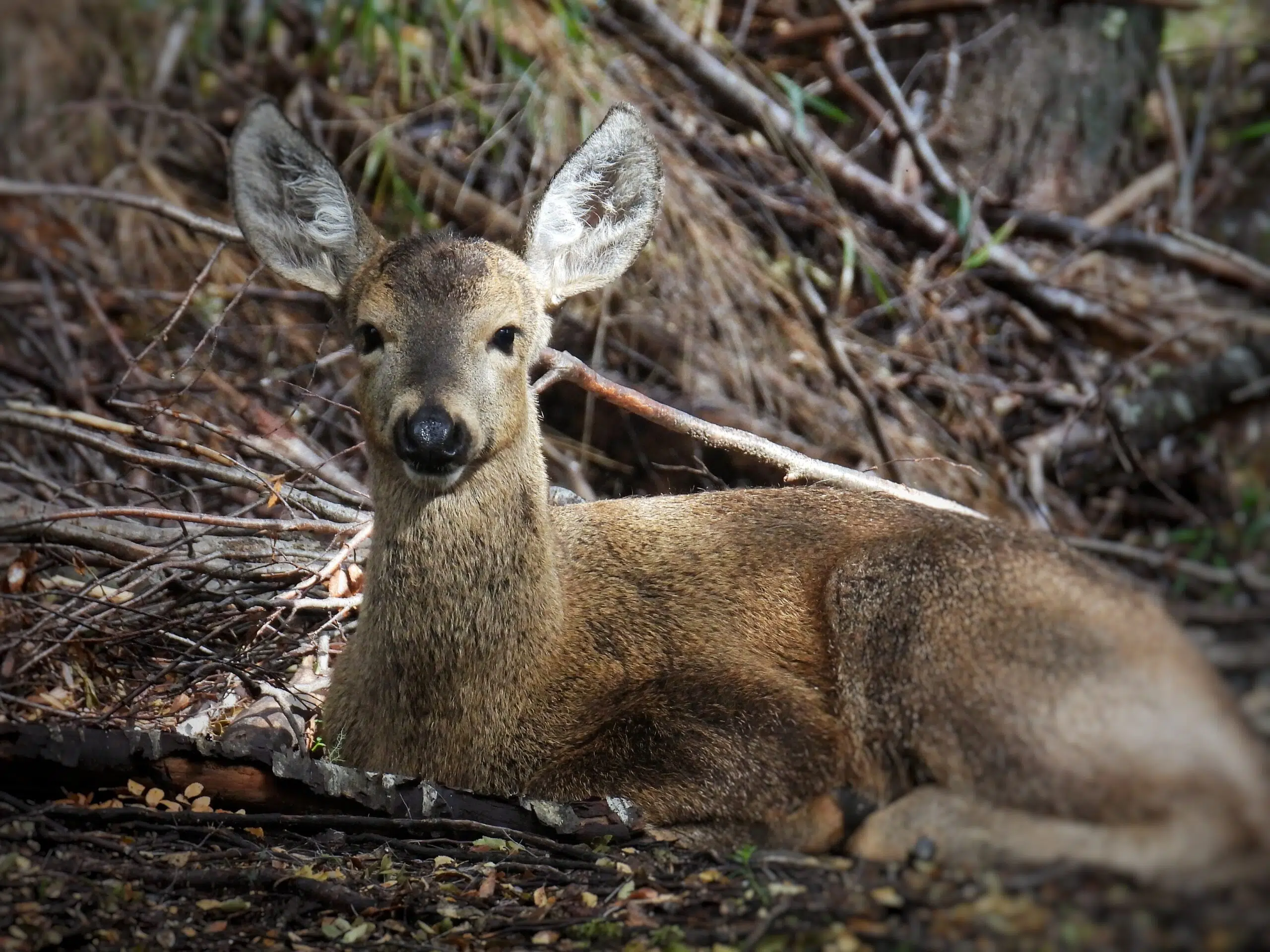
The huemul (Hippocamelus bisulcus) is a National Natural Monument in Argentina (Law No. 24.702), the highest category of legal protection. It is estimated that there are only 400 to 500 living specimens, which represents only 1% of its historical population.
Reasons to protect it
- Forest balance: regulates the growth of vegetation through browsing.
- Umbrella species: its conservation implies protecting other species and water basins.
- Bioindicator: its presence reflects the health of the ecosystem.
Cultural value
The huemul is part of the identity of Patagonia and a symbol of the native fauna of Argentina and Chile. Its protection is also a commitment to local communities and the shared natural heritage.
Main threats
- Competition with invasive species such as the red deer and the wild boar.
- Attacks by domestic and feral dogs.
- Human impact: deforestation, poaching, and uncontrolled tourism.
The advancement of the Huemul Acclimatization Center in Lanín National Park represents a decisive step for the recovery of this emblematic species.
The binational strategy and conservation actions aim to ensure that the huemul once again inhabits the Andean-Patagonian forests, strengthening the biodiversity and ecological balance of the region.


