



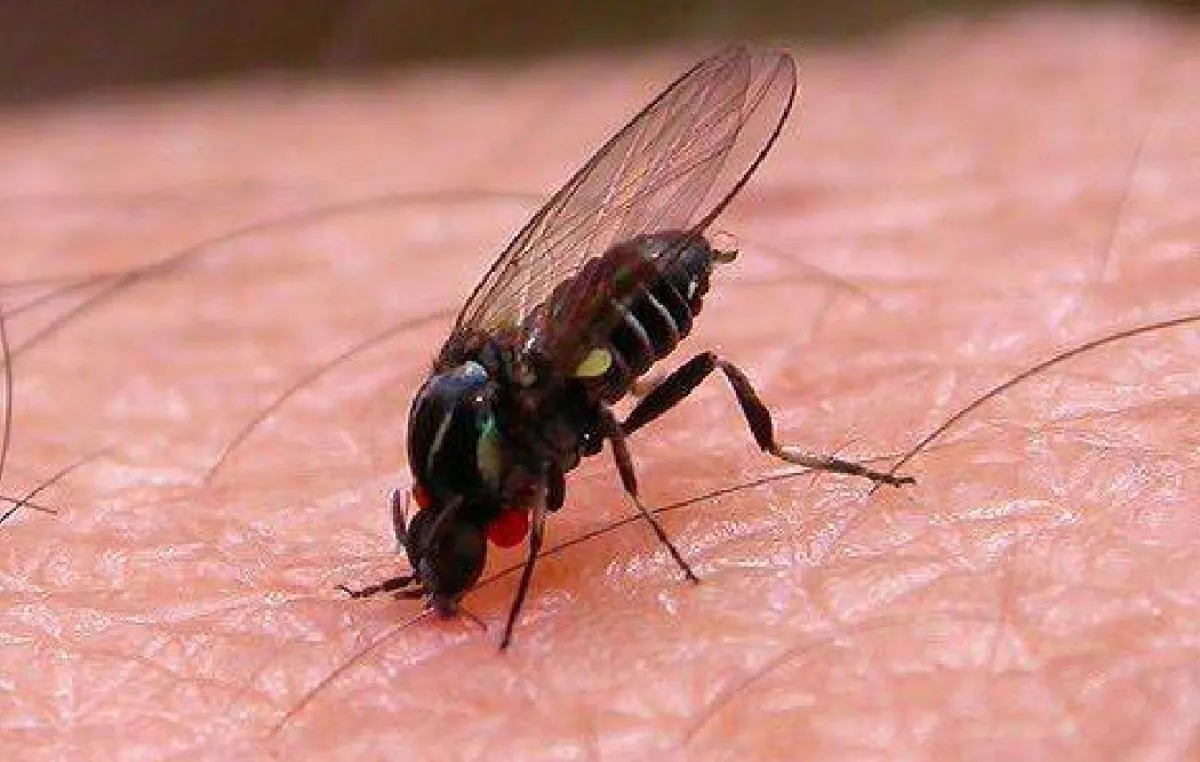
With the arrival of summer and rising temperatures, gnats, black flies, or barigüí make their presence known in various regions of the country. On social media and in the streets, there are numerous comments about a true invasion of this insect which, although it does not transmit diseases, leaves painful bites on the skin.
According to the Conicet, it is a flying hematophagous insect, meaning it feeds on blood. Its bite produces a painful cut that is easily infected by scratching. Although its behavior resembles that of mosquitoes, the barigüí is much more resistant to common chemical repellents, complicating care.
Origin and expansion in Buenos Aires
The arrival of the barigüí in the province of Buenos Aires dates back to the 2000s, when it colonized the Salado River basin, which stretches for almost 700 kilometers and crosses more than 15 municipalities.
Its expansion from northern Argentina was linked to successive floods that favored its dispersion.
Differences with mosquitoes
Unlike mosquitoes, the barigüí cannot be repelled with common products. This detail makes it a greater challenge for those seeking protection during the summer.
What to do in case of a black fly bite
The basic recommendations to alleviate the effects of a gnat or barigüí bite are:
- Wash the area with water and soap.
- Apply cold with ice wrapped in a cloth to reduce inflammation and itching.
- Avoid scratching, as damaged skin can become infected and leave welts for weeks.
- Use topical creams (Dermaglós, Adermicina, Hipoglós, among others) to relieve irritation.
Other common insects of the Argentine summer
Heat, humidity, and recent rains favor the appearance of multiple insects seeking food and shelter:
Urban and domestic insects
- Mosquitoes (zancudos): vectors of diseases such as dengue, zika, and chikungunya.
- Flies: horseflies that bite, domestic flies, and green flies attracted to organic matter.
- Cockroaches: emerge from their shelters due to heat and humidity in search of food and water.
- Ants: increase their activity in search of food.
- Spiders: proliferate in warm and humid environments, taking refuge in homes.
Rural and aquatic insects
- Crickets and locusts: common in natural and rural environments.
- Belostoma (water bug): large and flying, attracted by nocturnal light; can bite if threatened but help control mosquito larvae.
Agricultural pests
- Bicho moro (Tenebrio): beetle that can become a pest for organic crops.
Factors favoring their proliferation
- Heat and humidity: stimulate the hatching of eggs and the general activity of insects.
- Recent rains: after droughts, cause the massive appearance of mosquitoes and aquatic bugs.
- Attraction to light: many flying insects approach houses during the night.
The Argentine summer brings with it a greater presence of insects, including the barigüí, whose resistance to repellents makes it a particular challenge.
With simple care and prevention measures, it is possible to reduce discomfort and avoid skin complications, while reinforcing awareness of the importance of hygiene and environmental control in times of heat and humidity.


