



The presence of the **Andean condor** in the vicinity of **San Rafael (Mendoza)**, especially in the area of **Valle Grande**, has become one of the main **natural attractions of the region**.
However, specialists warn that **excessive approach and direct interaction of tourists with these birds** can generate **irreversible consequences for their well-being and for the ecosystem**.
From the **Cullunche Foundation**, an organization dedicated to the **conservation of native fauna**, they expressed their concern about the increasing number of visitors who **try to get close to or feed the condors**.
“When tourists ask where they can see condors, I recommend San Rafael, but this situation has a worrying downside,” said **Jennifer Ibarra**, president of the organization.
The issue goes beyond physical contact: improper feeding represents one of the main risks. “Someone may offer them ham or salami without knowing that it causes **serious liver damage and shortens their life expectancy**,” they indicated from the foundation. They also requested not to disturb the animals when they rest or remain near the roads.
Andean condors as health sentinels: ecological role and calls to action
Faced with this scenario, **Cullunche** promotes the **creation of a** natural reserve or protected area in San Rafael, aimed at **restricting human access in critical areas** and establishing a permanent presence of **park rangers or specialized personnel in environmental control**.
“We cannot continue to normalize offering food to a condor or a fox,” insisted the organization’s representatives, recalling that these birds play a key role in **environmental health**, by **eliminating carcasses** and **preventing the spread of diseases**.
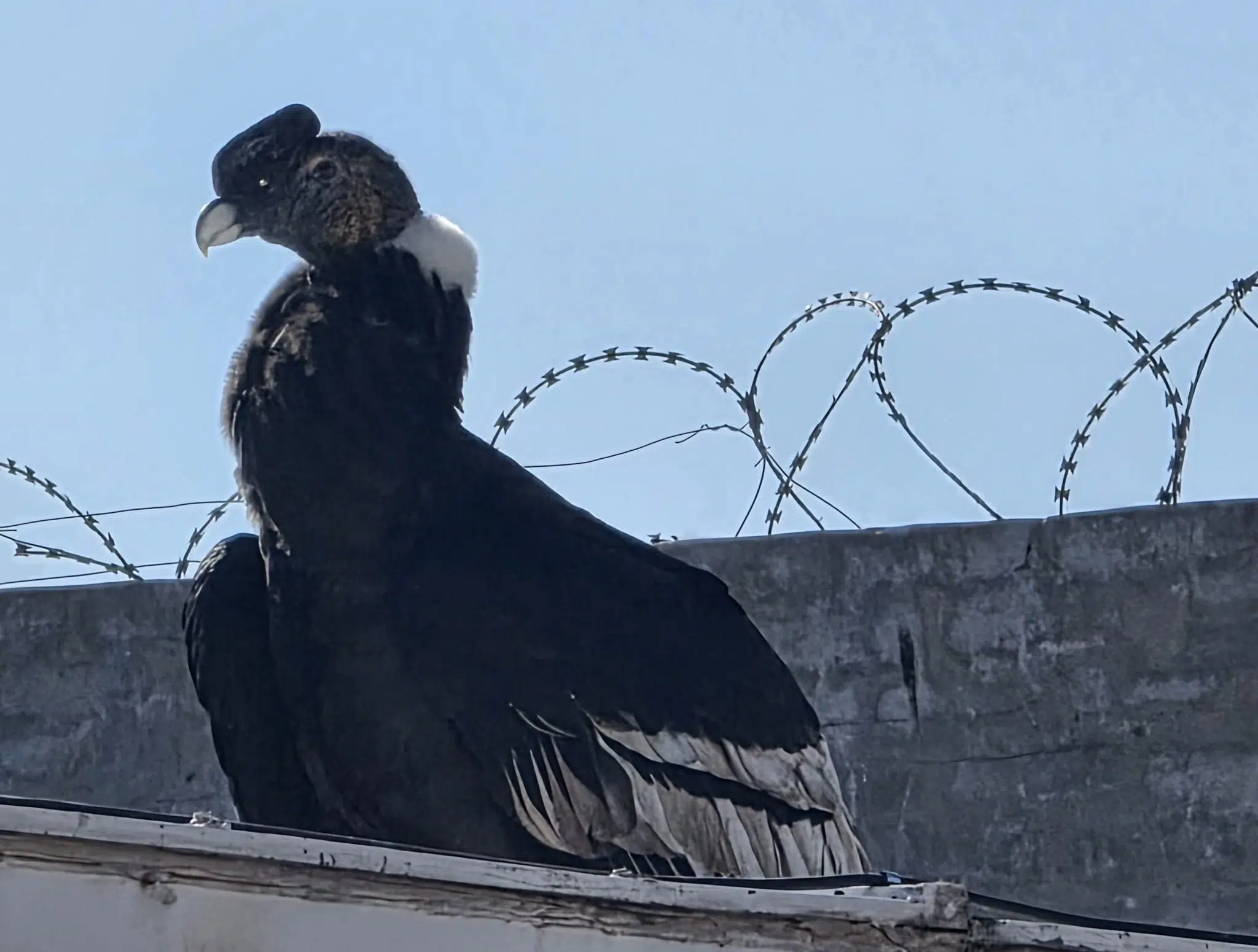
The foundation recommends that those who visit the area **maintain a safe distance**, and if they see a condor on the ground or still for a long time, **contact the authorities before intervening**. “It may be resting, but it could also be at risk. It’s important not to approach unnecessarily,” they explained.
For reports, inquiries, or complaints, you can contact them through **social media (@FundaciónCullunche)** or via **WhatsApp at 2613471077**.
**”Condors and vultures** are fundamental to maintain environmental balance. Without them, the sanitary deterioration would be concerning,” Ibarra concluded.


