



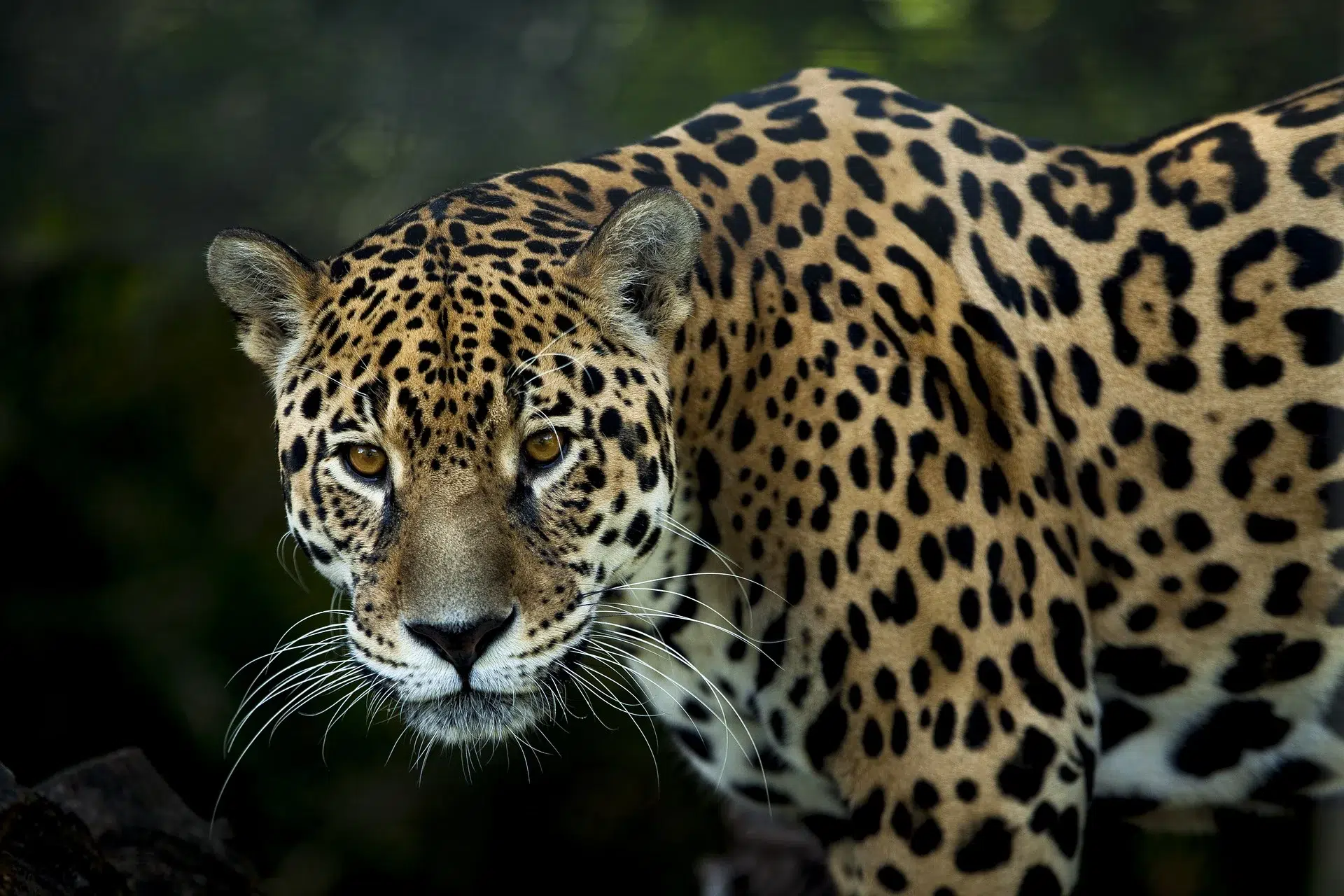
The jaguar, the largest feline in the Americas and classified as an endangered species, is once again at the center of Mexico’s environmental agenda. The Secretariat of Environment and Natural Resources (Semarnat) announced new protection strategies in the southeast of the country, where a large part of the jaguar population is concentrated.
The measures aim to conserve key ecosystems, strengthen surveillance, and promote coexistence between human communities and the feline, whose survival remains threatened by deforestation, illegal hunting, and large development projects.
Meeting of the Jaguar Conservation Group
On February 6, Semarnat chaired a meeting of the Jaguar Conservation Group in Yucatán. There, environmental officials, researchers, and civil organizations reviewed the current situation of the species and updated defense procedures.
Key proposals addressed included:
- Protection of jungles and forests where the jaguar lives.
- Improvement of inspection and video surveillance.
- Evaluation and update of the population census.
- Eradication of poaching and illegal trade.
- Strengthening of inter-institutional collaboration.
- Greater citizen participation in preservation.
State of the Population
According to the National Alliance for Jaguar Conservation, the population in Mexico reached 5,326 specimens in 2025, an increase of 10% compared to previous censuses. This progress reflects the positive impact of conservation programs, although threats persist.
Risk factors include:
- Deforestation due to industrial agriculture and real estate development.
- Large infrastructure projects, such as the Maya Train, which classified the jaguar as “harmful wildlife” and devastated part of its habitat.
- Illegal hunting and clandestine trade of specimens.
A Continental Symbol
The jaguar was one of the first species included in Appendix I of the CITES Convention in 1973, which prohibits its international trade. Today it is considered a symbol of shared responsibility to preserve the natural and cultural heritage of the Americas.
Discussions in Yucatán focused on the preservation of forests and jungles, the improvement of inspection systems, and the reevaluation of census methods. More vigorous measures against poaching and illegal trade were also promoted, along with greater institutional coordination and citizen participation.
Mexico reinforces its commitment to jaguar protection through strategies that combine habitat conservation, technological surveillance, and social education. Although the population shows signs of recovery, the pressure from development projects and habitat loss keeps the species at risk. The continuity of these policies will be key to ensuring the survival of the jaguar as an essential part of the continent’s natural heritage.


