



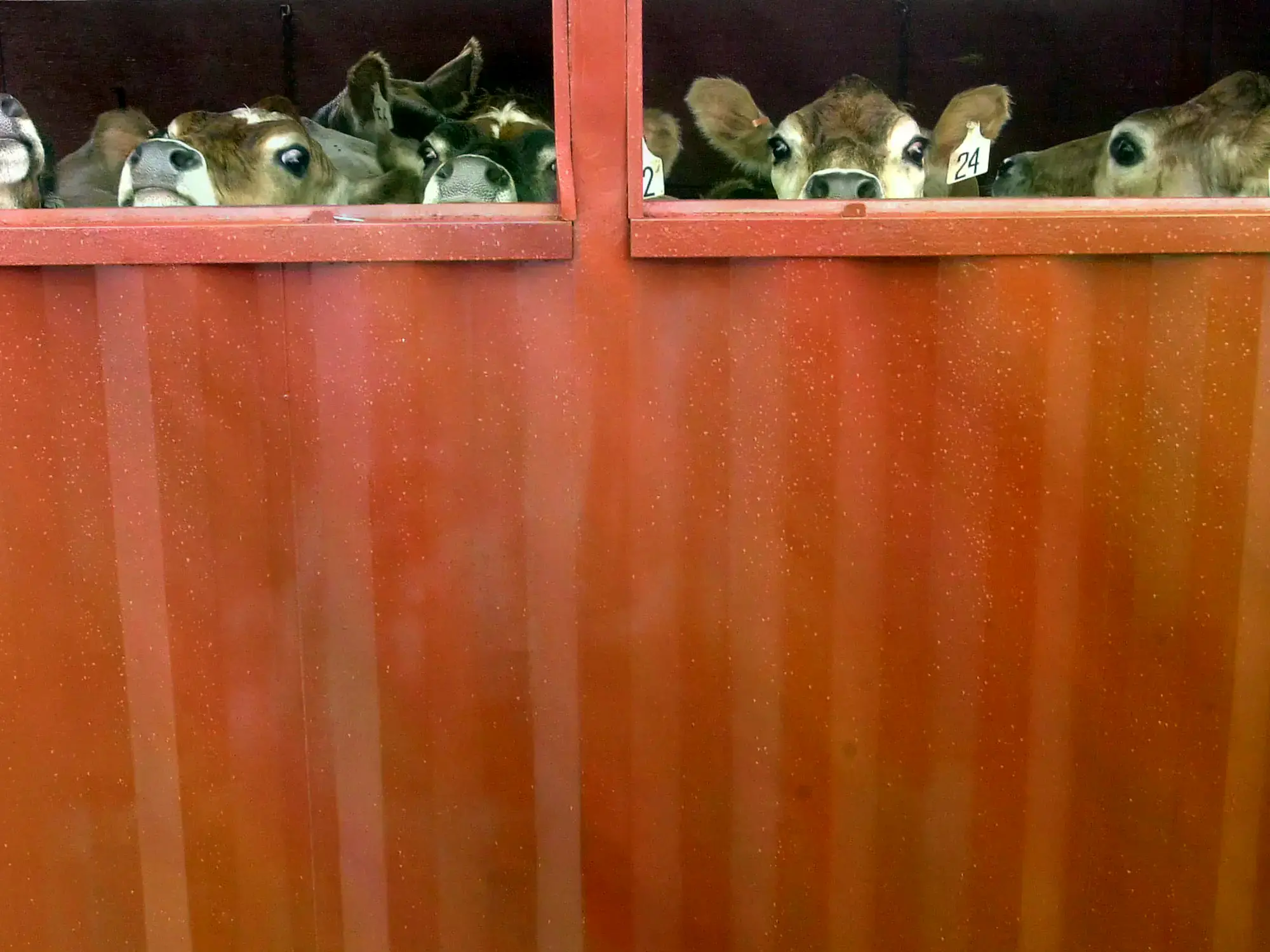
About 2,900 cows from Uruguay have been on board the ship Spiridon II for three weeks, anchored off the port of Bandirma in the Sea of Marmara, unable to disembark due to an administrative blockade linked to veterinary certification of some of the animals.
The situation, confirmed by diplomatic sources to the EFE agency, has raised concerns about animal welfare and put the reputation of livestock exports between Uruguay and Turkey under scrutiny.
The ship and the cargo
The Spiridon II, built in 1973 and registered under the flag of Togo —considered to have low international safety standards—, set sail from Uruguay almost two months ago and arrived in Bandirma around October 22.
The cargo consists of cattle intended for fattening and breeding on Turkish farms. However, approximately 500 animals lack the mandatory veterinary certificate, leading Turkish authorities to deny the disembarkation of the entire operation.
Although most of the cows meet health requirements, the Turkish Ministry of Agriculture argued that the risk of contagion during the sea voyage could not be ruled out, which is why the ship remains detained in waters near the port.
Business dispute at the root of the problem
The blockade originated from a dispute between the Uruguayan exporting company and the Turkish importer.
- The exporter claims to have sent more animals than requested.
- The importer accuses the counterpart of shipping cattle without the required certification.
This disagreement has stalled an operation on a well-established trade route, which until now had no record of such incidents.
Impact on animal welfare
The delay in disembarkation has already caused serious consequences. According to the Turkish newspaper Karar, nearly fifty cows have died due to the travel conditions and the prolonged wait.
The worst-case scenario would be for the ship to return to Uruguay with the entire cargo on board, which would mean an even longer journey and critical conditions for the cows.
Ongoing diplomatic efforts
The Embassy of Uruguay in Turkey, in coordination with the Foreign Ministry and the Ministry of Livestock, Agriculture, and Fisheries, is maintaining contacts with Turkish authorities to resolve the situation.
Uruguayan Foreign Minister Mario Lubetkin stated:
“We are trying to facilitate technical meetings to resolve this,” he expressed, hoping to reach a solution in the short term.
Diplomatic sources emphasized that this case, the first of its kind in the export of live Uruguayan cattle to Turkey, does not constitute a diplomatic conflict, but rather a strictly business dispute.
A case that puts live animal export under debate
The episode of the Spiridon II reignites the debate on the export of live animals, a practice questioned by animal welfare organizations due to the risks associated with long journeys, transportation conditions, and the possibility of administrative blockades like the current one.
Both Ankara and Montevideo are collaborating to find a solution that avoids further damage, but the case has already highlighted the fragility of export chains when health certification issues arise.
The blockade of the Spiridon II reflects how an administrative dispute can turn into a humanitarian and commercial problem. With thousands of animals affected and the reputation of livestock exports at stake, diplomatic efforts will be key to resolving a case that sets a precedent in the commercial relationship between Uruguay and Turkey.



