



More than 20 wild birds were rescued in the province of Mendoza during operations carried out in Jocolí (Lavalle) and in homes in Las Heras. The action was coordinated by the Ministry of Energy and Environment along with the Public Prosecutor’s Office, the Ministry of Security, and the Rural Police, as part of policies against illegal wildlife trafficking.
The procedures originated from preventive patrols and reports from neighbors. In addition to the animals, cages, traps, and illegal capture and transport elements were seized.
Protected Species
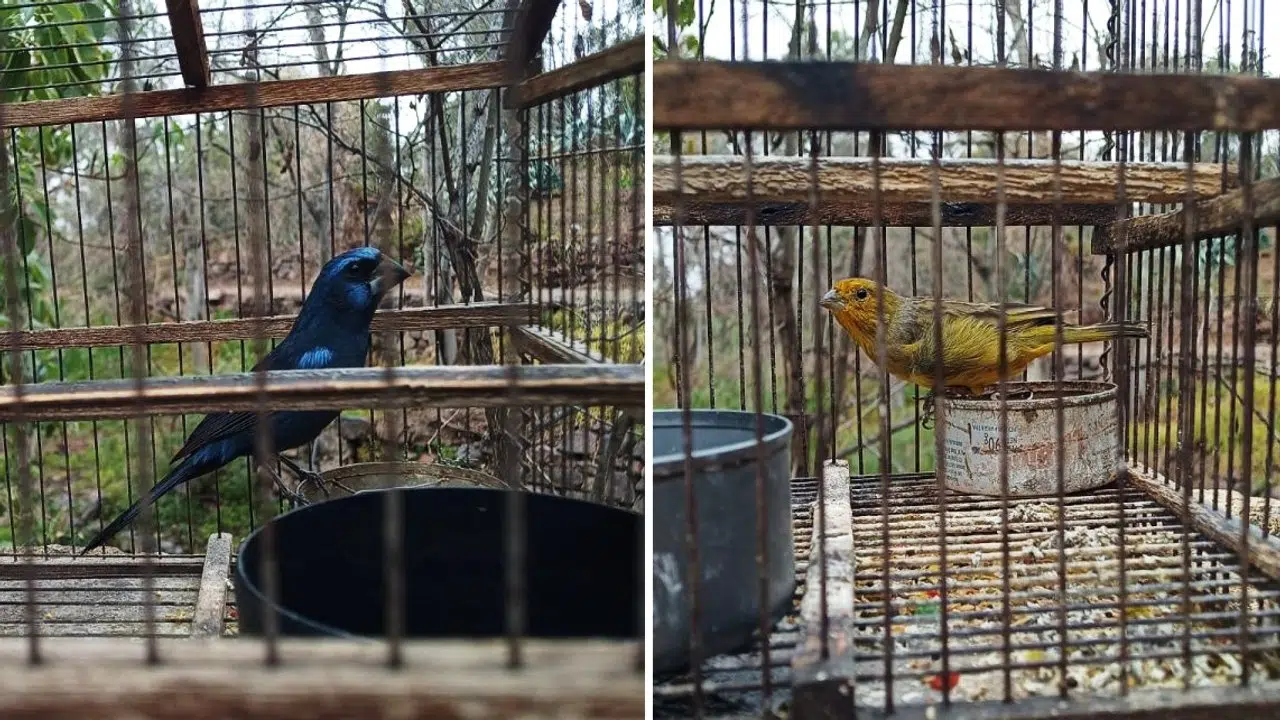
Among the recovered specimens are:
- Seven “cuchillos” (Saltator aurantiirostris).
- Red-crested cardinals.
- Goldfinches.
- Black-headed grosbeaks.
- Diucas.
- Corbatitas.
- Reinas moras.
- Red thrushes.
The seven “cuchillos” is one of the most characteristic birds of the Mendoza forest. Its plumage and song make it a frequent victim of pet trade, although it plays a vital ecological role as a seed disperser and insect controller.
Rehabilitation in the Ecopark
All the birds were transferred to the Mendoza Ecopark, where they received veterinary care and clinical evaluations.
- The specimens in good condition will begin a rehabilitation process to be reintroduced into their natural environment.
- It was highlighted that captivity causes stress, injuries, and loss of natural behaviors, making it difficult for them to return to free life.
During the entry of the birds into the Ecopark, a group of teenagers from the Guaymallén Home 6 witnessed the reception and care process. The experience allowed reflection on respect for wildlife and the importance of protecting provincial biodiversity.
Wild Birds Are Not Pets
The Biodiversity Directorate reminded that the capture, possession, transport, and commercialization of wildlife are prohibited by National Law 22.421 and provincial regulations.
Each specimen removed from its natural environment feeds an illegal trafficking chain that threatens entire populations and unbalances ecosystems.
Reporting Channels
- Mendoza Rural Police: 911.
- Email: [email protected].
- Forms on the Mendoza Government portal.
Each report helps protect biodiversity and offers an opportunity for an animal to return to nature.
Impact of Illegal Trafficking
- Ecological Balance: birds disperse seeds, pollinate plants, and control insects. Without them, ecosystems deteriorate.
- Species Survival: indiscriminate capture empties forests and brings many species closer to extinction.
- Animal Welfare and Public Health: nine out of ten captured birds die before being sold. Additionally, illegal handling exposes people to zoonotic diseases.
- Punishable Crime: the sale of native wildlife is prohibited, and organizations like Aves Argentinas work to curb this black market.
The rescue of birds in Mendoza reflects the importance of joint action between institutions and the community to combat illegal wildlife trafficking.
Rehabilitation in the Ecopark and awareness campaigns aim to return these species to their place in nature and remind that wild animals are not pets.



