



The Philippines, recognized as one of the countries with the greatest diversity of bats in Southeast Asia and worldwide, has just added six new species to its already extraordinary inventory of fauna.
The discovery was made by a team of scientists from the Royal Ontario Museum of Canada, the Field Museum of Chicago, and the Lawrence University of Wisconsin (USA), and published in the scientific journal Zootaxa.
A discovery that expands global knowledge
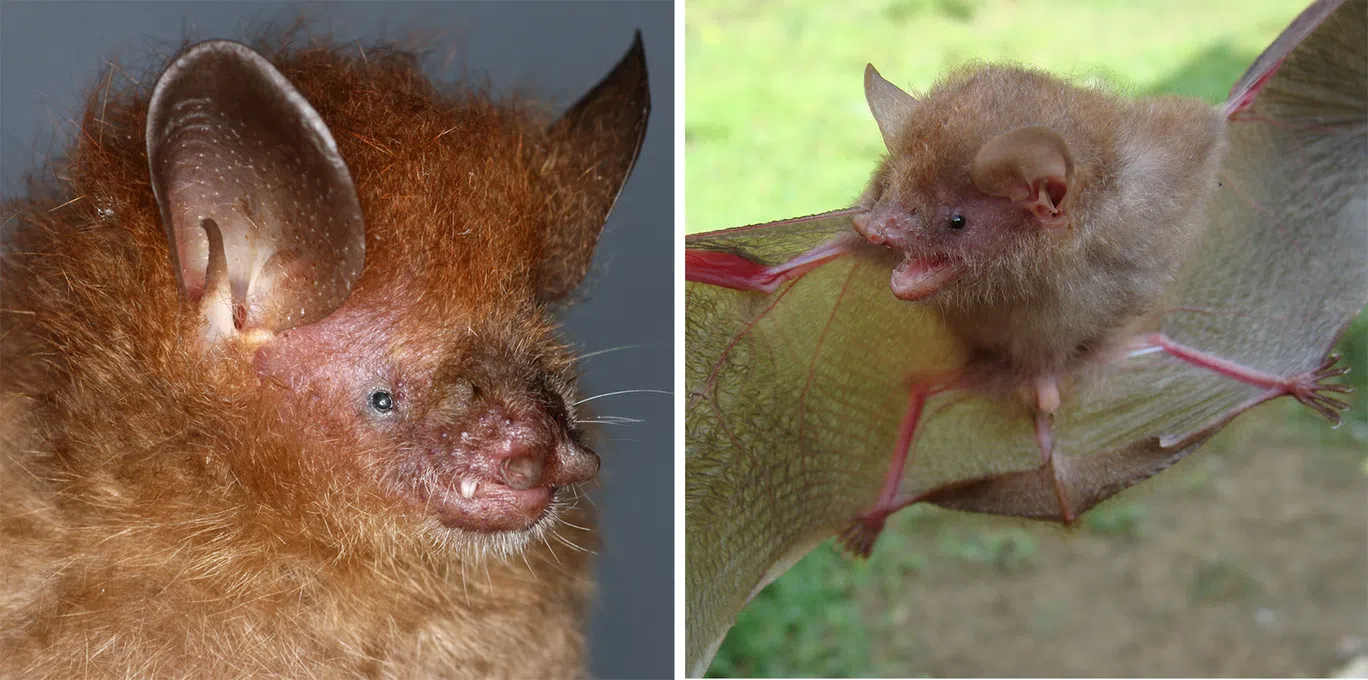
The newly identified species belong to the genus Murina, known as tube-nosed bats, and have been given the following scientific names:
- Murina alvarezi
- Murina baletei
- Murina hilonghilong
- Murina luzonensis
- Murina mindorensis
- Murina philippinensis
The team conducted morphological and genetic analyses, examining dental patterns, cranial shapes, fur bands, and other visible characteristics, in addition to genetic tests in Canada.
“This latest study illustrates how much we still do not know about the countless species we coexist with,” noted Judith Eger, curator emeritus of mammals at the Ontario Museum.
Philippine biodiversity: unique in the world
Before this research, only two species of tube-nosed bats had been reported in the Philippines. The study confirmed the presence of one of them, ruled out another, and revealed five new species that were confused with the previously recorded one.
“Per unit area, the Philippines has the most distinctive mammal fauna of any country in the world,” highlighted Lawrence Heaney, curator emeritus of the Field Museum.
With this discovery, the number of bat species described in the Philippines rises to 79, consolidating the archipelago as a natural laboratory of biodiversity.
Bats in science and culture
The richness of bats in the Philippines is not only scientifically relevant but also culturally. In local folklore, the “aswang”, monstrous creatures inspired by flying foxes (the largest bats in the world), are part of the legends.
In other cultures, bats also hold a symbolic place:
- In China, they are associated with good luck.
- In India, with fortune and wealth.
- In Guatemala and Mexico, they are revered as deities.
Threats and conservation
Bats of the genus Murina are forest-dependent insectivores, making them especially vulnerable to deforestation.
Researchers warn that exploring the diverse forest environments of the Philippines will likely lead to the identification of more species, but they also emphasize the need to protect natural habitats.
The genetic sequences of the new species were deposited in GenBank, ensuring their availability for future research.
Ecological functions of bats
Bats play a crucial role in the balance of ecosystems:
- Pest control: they consume large quantities of insects every night, including mosquitoes and moths.
- Pollination: many nocturnal plants depend on them for reproduction.
- Seed dispersal: by ingesting fruits, they help regenerate forests and maintain biodiversity.
- Natural fertilizer: their guano is rich in nutrients and very valuable for agriculture.
- Food source: they are part of the diet of hawks, owls, and carnivorous mammals.
Conclusion: a discovery that reinforces the urgency of conservation
The discovery of six new species of bats in the Philippines not only expands the global scientific catalog but also highlights the importance of protecting the forests and ecosystems of the archipelago.
The extraordinary biodiversity of the Philippines, rich in its wealth and endemism, reminds us that there is still much to know and conserve on a planet where each species plays a vital role in the health of ecosystems and human survival.



